Tuesday, July 8, 2014

On Evil Stepmothers

Toshiaki Kato

One of the FAQs in fairy tales is, why is the stepmother always portrayed as evil? In the latest podcast from TabledFables, one of the speakers admitted that she even thought "stepmother" was a bad word when she was younger.

There are a few common answers to this issue that have been discussed here and elsewhere:

1. Often, the villain in older versions of the tale were actually the birth mother. It was considered less horrific for a stepmother to plot evil against the protagonist and the Grimms altered several stories.

2. Historically, women were much more likely to die in childbirth. Therefore, it wasn't that uncommon for men to remarry and two families to join together. Fairy tales might reflect, in exaggerated fashion, some of the tensions that arose. Especially when there was limited inheritance to go around, parents might be extra sensitive about protecting their children or assuming there would be bias from their spouse.

3. Sadly, it also shows tendancy towards gender bias-women are traditionally either passive, obedient, and good in fairy tales, or downright evil. Male characters, even those that transgress like Donkeyskin's father, usually escaped being punished.

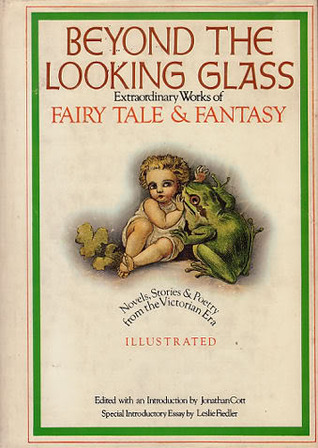
I came across yet another way to think about it from Leslie Fiedler's introduction to Beyond the Looking Glass. The stereotypical image of fairy tales being told is an old woman entertaining a group of children. It wasn't always the case, but often fairy tales may have been told by grandmothers to their grandchildren. Especially if you consider the possibility of the teller being the paternal grandmother, you can start to see why their might be some bitterness towards the mother-who, to her, is a "supplanter", and why the fathers tend to get away without guilt.
Mother Goose image from here-artist??

Clearly this wouldn't apply to every scenario, but is an interesting way to think about it!

Saturday, July 5, 2014

Fairy Tales in Context: 20th Century America

"It is not always well to place
Unbounded Faith in Fairy Lore,
Believing that in every case
They all lived Happy evermore.

Stranger than Fiction though we deem
The Truth, it does not follow, too,
That Fairy Tales, because they seem
Still Stranger, must be still more True.

Far be it from me to assail
The Truthfulness of Fairy Writ,
But let us take a Well-Known Tale
And see what really came of it."
So begins the preface to the fairy tale parody "The Fairy Godmother-in-law" by Oliver Herford, which continues after Cinderella and the Prince get married. (Full text of the poem can be read here). From 1905, it challenges the ideas of love at first sight and happily ever after, even going into the complications of the fairy godmother making herself too much at home in the castle afterwards.

One of the issues I come across when looking into fairy tales is not understanding the context in which they were written.  It seems all the rage now to turn fairy tales "upside down"-turning heroes into villains and vice versa, and subverting the traditional stereotypes. In fact it can be difficult to find straight-up traditional fairy tales being created any more. Yet we seem to think this is a recent phenomenon, but questioning the old-fashioned ideals has been around for over a hundred years, as the above poem illustrates.

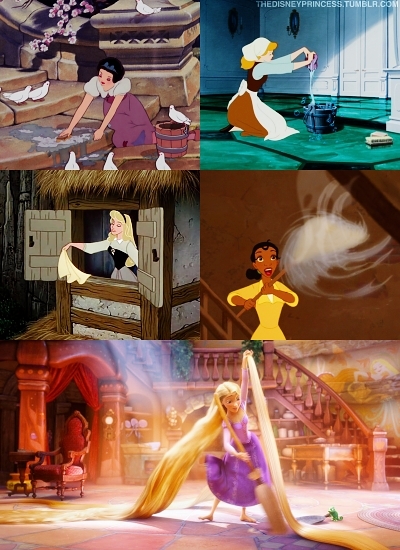
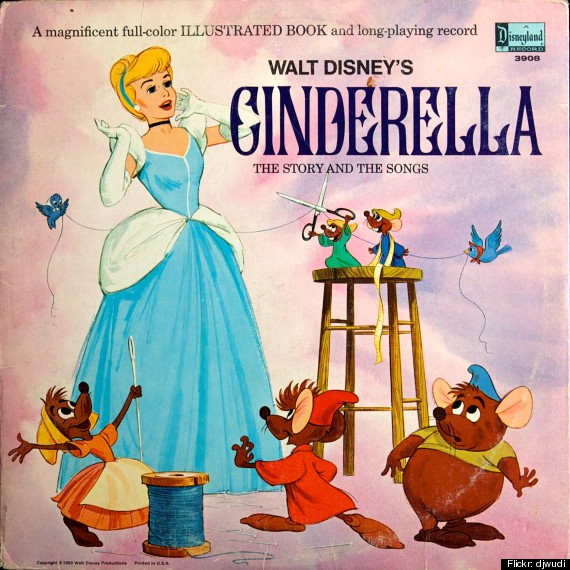
Take Disney for instance: so often people criticize the older Princess films for the passivity of the heroines, among other things. But on the other hand, as some people (including myself) have pointed out, when we consider the time period they were being made in (Snow White in the 30s, Cinderella and Sleeping Beauty in the 50s), it's really not surprising. The world, and gender expectations, were very different back then. Consider: the nineteenth amendment, which gave women the right to vote, wasn't ratified until 1920-only 17 years before Snow White.

Yet the world was not completely constrained by traditions, even in the early 20th century. Jack Zipes points out that, to contrast to Snow White and her passivity and innocence, Tex Avery's independent and sexually liberated Red Riding Hood appeared right around the same time. Yet, though this Red is not afraid of the Wolf and can take care of herself, Catherine Orenstein thinks (and I agree) that the overall message is still a backwards one-that women's value is found mainly in sexual appeal. Plus, the culture at large reacted in different ways. Children would have seen it when they went to the cinema, but  parts of the film were censored, such as the wolf's lustful reactions to Red Rot Riding Hood performing.

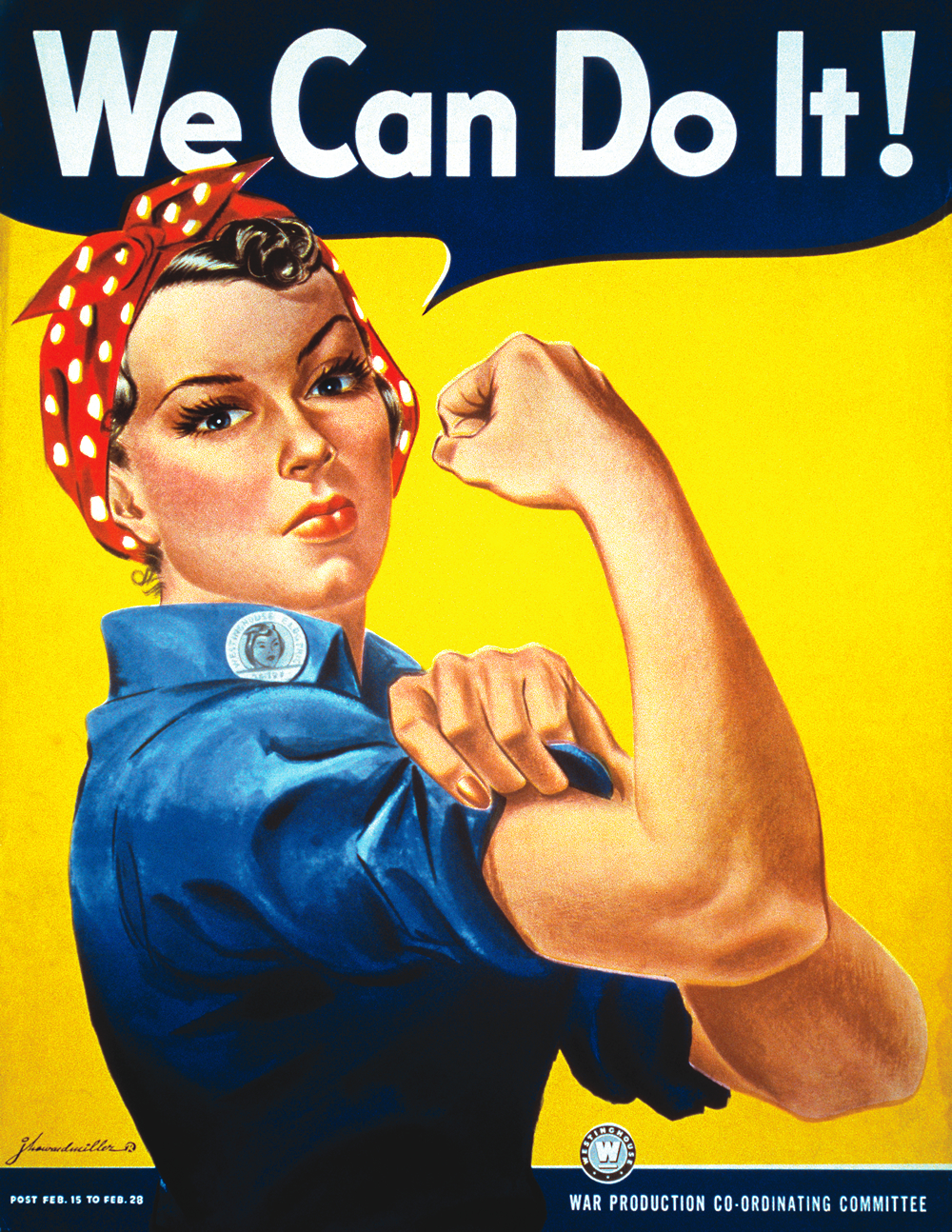
The 1940s, the time of Rosie the Riveter and women patriotically leaving the home to do what was traditionally considered "men's work" for the sake of their country, interestingly produced no princess movies at Disney studios. In 1950 Cinderella made her appearance, followed by Sleeping Beauty in '56. The thing that is often hard for me to wrap my mind around is that, while some women did resent being reconfined to their homes after proving they could do other work, overall the country experienced a period where the ideal was traditional, domestic bliss. And really, I doubt if most of the women who worked in factories considered that to be their dream job, in addition to juggling raising kids as, essentially, single working moms. In a way it would have been nice to return to "normalcy". 


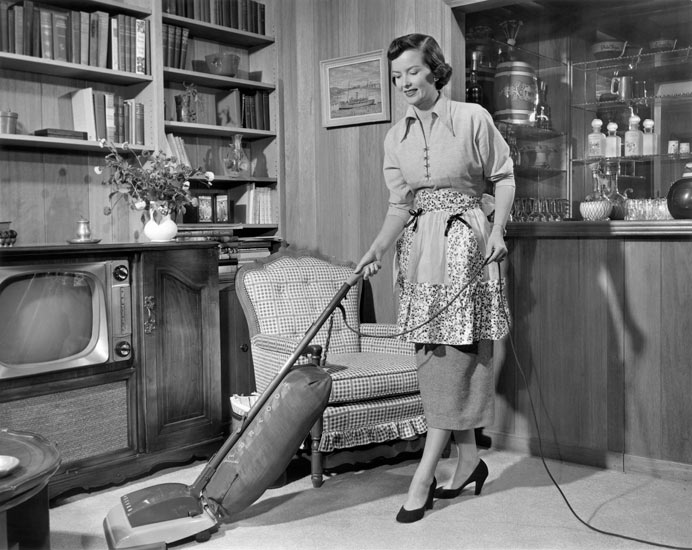
When I think of the most stereotypical and least liberated view of marriage, I picture the 50s housewife (in fact, read this for a very interesting interview with a 50s housewife and her reflecting on that time. It's much more complex than just "good" or "bad".) But is it any surprise that, in a time where American women were told it was their duty to obey their husbands, taking care of house and children, and it was the normal and acceptable thing to do, that females from Hollywood continued in their similar roles?
I was raised on reruns of "I Love Lucy" and "The Dick Van Dyke Show". I still enjoy rewatching some of the Dick van Dyke episodes, but I was amazed to watch them later in life and see how they too promote the image that the wife should stay at home and obey her husband. Season 1, episode 5 of the Dick van Dyke show features a conflict in which somehow Rob's decision to go on a business trip or see his son in a school play turns into a debate between being independent or controlled by his wife, and it ends with him making a big speech about the man being the head of his household, to applause from the other businessmen in the airplane with him (this aired in 1961).

 But even though it seems incredibly backwards from our perspective, Van Dyke was actually making progress. The Lucy Show, which ran in the 50s, features a housewife who wants to be a performer but is foolish and completely incapable, truly needing a grounding, stable husband to get her out of all of her ridiculous messes. The famous chocolate scene is part of an episode which basically says that women are foolish for ever wanting to work outside of the home.
At least Laura Petrie, the wife in Van Dyke, was a capable mother who was actually a very successful dancer before she got married. Although multiple episodes enforce certain stereotypes (women should still stay home and take care of the family, women are insatiably curious) she is shown as more of an equal partner to her husband and not essentially another child who can't do anything right. Mary Tyler Moore went on to play an even more independent, working, single woman in the next decade in the Mary Tyler Moore show

The fact is, no matter how groundbreaking or progressive certain versions of fairy tales were in the first part of the century, from Oliver Herford in 1905 (who also did a parody of Sleeping Beauty, in which the Prince wants to be a poet but is so bad only he can put the Princess to sleep) to Tex Avery, to the collection of stories Peter Llewelyn Davies published in the 1934s, The Fairies Return-what most influences the public and our conception of fairy tales is what is mainstream.  Blockbuster movies and best-selling books reach the majority and create a picture of our culture, and reveal what we most want to pay for.

After "Sleeping Beauty", Disney studios went a while without producing any Princess films or fairy tales until "Little Mermaid" in 1989. I personally dislike the messages in this movie more than any other Disney, especially given the context and the original source, however, "Beauty and the Beast" in '91 brought a whole new wave of more feminist Princesses. And really it's been in recent years that Hollywood and Disney have brought us something new-subverted fairy tales in mainstream media. We now have sword-weilding Snow Whites, romantic wolves, mystery-solving Grimm descendants, and a whole mashup of fairy tale characters living in Storybrooke and continually challenging our preconceptions of old plots and characters.
And now, we have a recent string of Disney movies that continue to push boundaries-not of fairy tales in general, but of mainstream fairy tales; versions that will make significant impacts on how people view and think of fairy tales. Maybe a kiss isn't the ultimate act of true love; maybe villains are more complex and sympathetic than we thought. (We'll have to wait and see what message comes across from "Into the Woods" after the edits).

Context is very complex. Though we can generalize a culture, obviously not everyone thought exactly the same way. I can try reading as much as possible about an era but it's still not the same understanding as someone who lived through it. There are also a lot of mainstream parodies I could have mentioned which are more of a stepping stone to thinking about fairy tales in new ways, but being comical tends to make the audience not take it as seriously and/or actually enforces traditional messages by implying that it's funny to think of fairy tales in any other way.

Wednesday, July 2, 2014

Fairy Tale Baby Shower Ideas

My family is absolutely thrilled that my sister is expecting her first baby! I've been in planning mode for the shower happening later this month. She has requested a book theme, but some of our searching for ideas led us to some absolutely gorgeous fairy tale baby showers. For anyone else who might be interested, it can be hard to dig through the plethora of internet suggestions like "make everything pink" and cartoony crown and castle favors, but there are some really clever, classic fairy tale ideas out there! Enjoy!


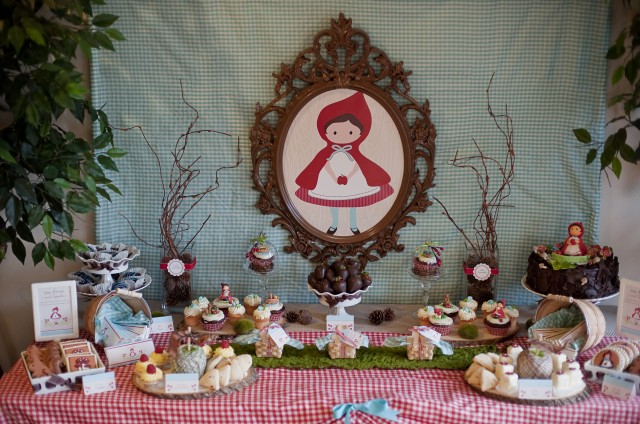
Little Red Riding Hood Theme at andersruff.com. The invitations read, "“What a little nose she’ll have.  What little ears she’ll have.  What little eyes she’ll have.  But what big hearts she’ll fill.”


This shower featured on A Little Cuppa Tea is insanely gorgeous, and extra sweet because the writer wanted to honor her sister's acting past by highlighting different fairy tale characters she had played. I can relate because both my sister and I were very into musical theater, and we were both in fairy tale plays (such as Into the Woods, as I recently mentioned)

Second to the desire for marriage, the desire to have children is the driving force in so many fairy tales, so it's such an appropriate theme for a baby shower (not because fairy tales are infantile...) I appreciate that many of the above showers either were for baby boys, or could be for either gender. 


Monday, June 30, 2014

Hans Christian Andersen's Use of Folktales

Fun fact: If you begin to type "Hans Christian Andersen" into google, the first suggestion that comes up is not actually his full name, but "Hans Christian Andersen Frozen." For those of us who were bothered by how different Disney's "Frozen" is from its supposed inspiration, at least many people are showing interest in the original story, even if they mistakenly search for "Frozen" and not "Snow Queen" (everyone has to start somewhere, right?)
"Snow Queen," Elena Ringo

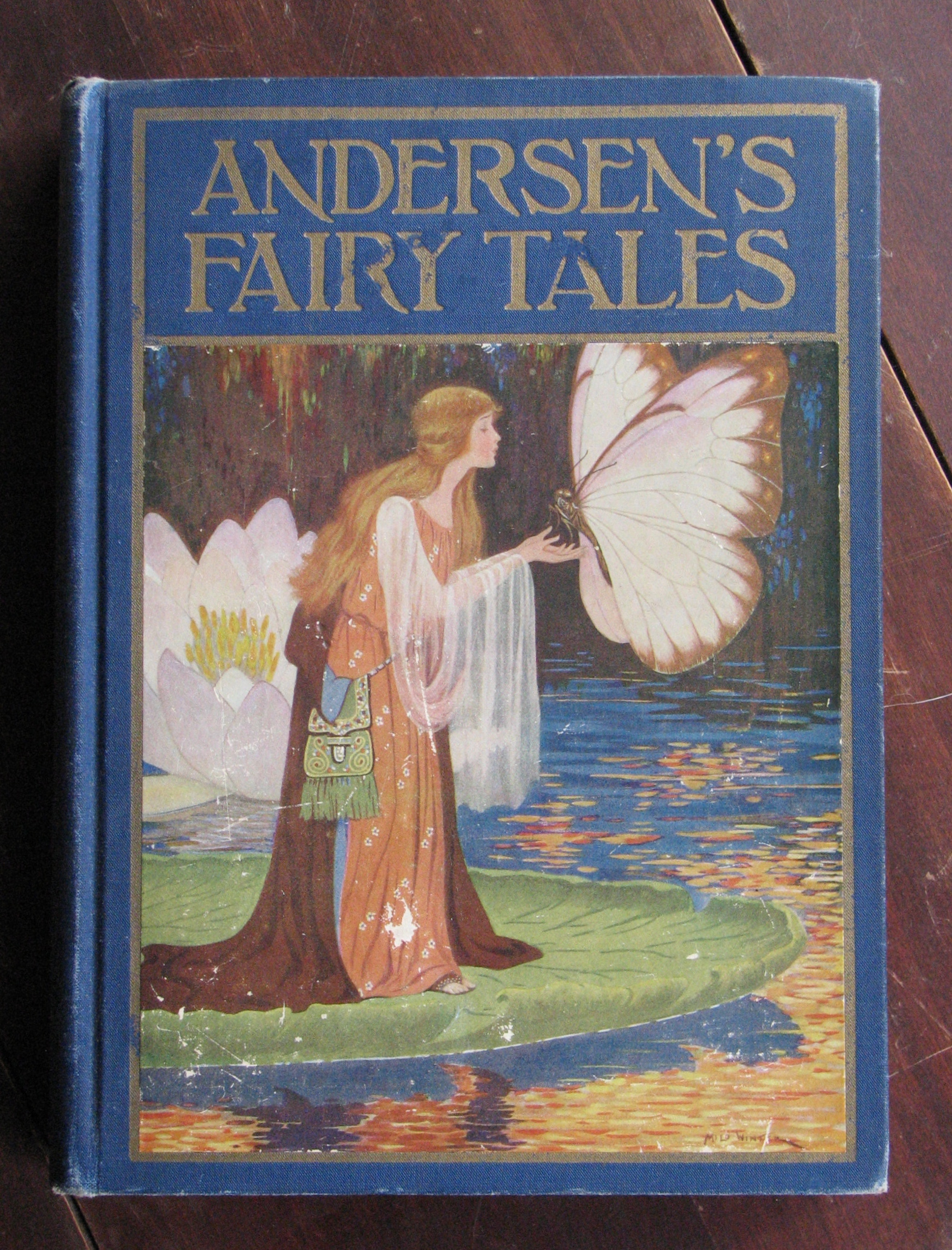
Andersen differs from many other fairy tale collector/authors in that he never claimed to be passing down folklore as he heard from peasants-he is known for writing original stories in the style of traditional fairy tales, but with his own style. Many people don't realize how similar to folklore many of his stories are-he heard many tales in his childhood and/or from literary sources that definitely influenced his writings. For example, "The Little Mermaid" is very similar to Undine by Friedrich de la Motte Fouque, which comes from the tale of Melusine, and both have similarities to mermaid folklore from around Europe.
Ivan Bilibin

In his essay "Hans Christian Andersen's Use of Folktales," (which can be found in A Companion to the Fairy Tale) Bengt Holbek laments the fact that so few people have bothered to trace the folktales Andersen was probably familiar with and analyze the significance of the changes he made in his own stories. People do this all the time with the Grimms-how their tales were altered from the versions they heard to become more appropriate for children in their society; references to sexuality were removed, but violence was allowed as long as it was to punish a villain (modern fairy tales aimed at children tend to remove all violence as well).
"The Tinder Box," H.J. Ford

In this aspect Andersen did the same. Andersen was specifically writing for children, unlike most oral folktales which were shared among adults. For example, in his story "The Tinder Box," the hero summons a large magical dog that will do his bidding, and each night has them bring the beautiful princess to him, where he kisses her. In related tale "Lazy Hans", the hero has the princess brought to him every night for eight years, giving her three children before he is discovered.

No one is probably that shocked by this-given standards for children's literature in his time and our own. However, Holbek asserts that Andersen completely misunderstood the point of fairy tales in general. His theory is that all fairy tales are boiled down to relationship tensions, and in three categories-youths to adults (often children to parents), those of low status to high, and male to female. Fairy tales often address very tough issues, those that are generally considered taboo, but they are slightly veiled in the traditional fairy tale formula. That is why so many fairy tales involve abuse/abandonment of children, incest, and of course, marriage. Many of the fairy tale villains are thought to represent people in these categories-the witch can be seen as a different side of the mother, the ogre the more frightening (or incestuous) side of the father, etc.

Andersen will often abandon the symbolic interpretations of fairy tale characters and themes. Instead he loves to add detailed descriptions of the scenes or unrelated episodes, which I think of as being equivalent to modern Hollywood impressing us with special affects and adding epic battle scenes, as if the plot itself wasn't good enough to hold an audience. Plus, like a visual movie will do, it plants a more specific vision in your mind about that fairy tale and what it means, rather than the oral tale which can be given so many potential meanings to the listener.
"Steadfast Tin Soldier," Kay Nielsen

Not that Andersen's stories don't have symbolic meaning, this is Holbek's analysis of what happened specifically to the folktales Andersen worked with. In fact I think what tends to strike me most about Andersen's writing is how many of his stories seem to carry such contradictory messages. From the stories like "Girl Who Trod on a Loaf" and "Red Shoes" that revel in punishing females for their sins and seem so misogynist, to stories like "Snow Queen" that feature female characters that even make modern feminists happy; some of his stories are so full of hope, like "Wild Swans" and "Ugly Duckling," but others end in utter despair and hopelessness, like "Steadfast Tin Soldier" and "Little Mermaid" (the ending of which is ambiguous enough, but apparently the original version was supposed to end just with the mermaid turning into sea foam, and Andersen's publishers thought that too dark and had him add a more positive ending).
Margaret Tarrant

Andersen himself was such a complex, interesting man, and I feel like I really need to read more about his life to shed more light on his writings. I couldn't get through his autobiography but I think a well-written biography would be fascinating.

Friday, June 27, 2014

Fairy Tale Links

Couple things I found recently, neither new, but interesting to me:

This blog post features some fun lego fairy tales:
Legohaulic


Also, this article The REAL Stories Behind These Disney Movies will Ruin your Childhood from the Huffington Post. Nothing that would be unknown to most of you readers, but I find two things interesting-first, the all-too-often-seen error of calling the Grimm's versions of fairy tales the "REAL" versions. Secondly-there's been so much talk, especially lately, about how Disney sanitizes their fairy tales, especially with the new information about Into the Woods. But who can really blame them if, as Zoe Triska, author of the article claims, reading some older versions will "ruin" your childhood? Seems like there are very mixed signals going around as to what we expect. If fully grown adults will be shocked and dismayed by reading Grimms' fairy tales, how could anyone even think of showing them to children? I don't agree with their premise, obviously, as I have a whole blog devoted to dark, historical fairy tales (yet still get ridiculously excited about the prospect of going to Disney World), but we have to remember that audiences can be very sensitive when it comes to children's entertainment.
Also, their claim that Beauty and the Beast is "actually pretty accurate, except for some uninteresting details" is wrong on so many levels that I can't even go into right now...