Wednesday, January 7, 2015

Fairytale Cottages

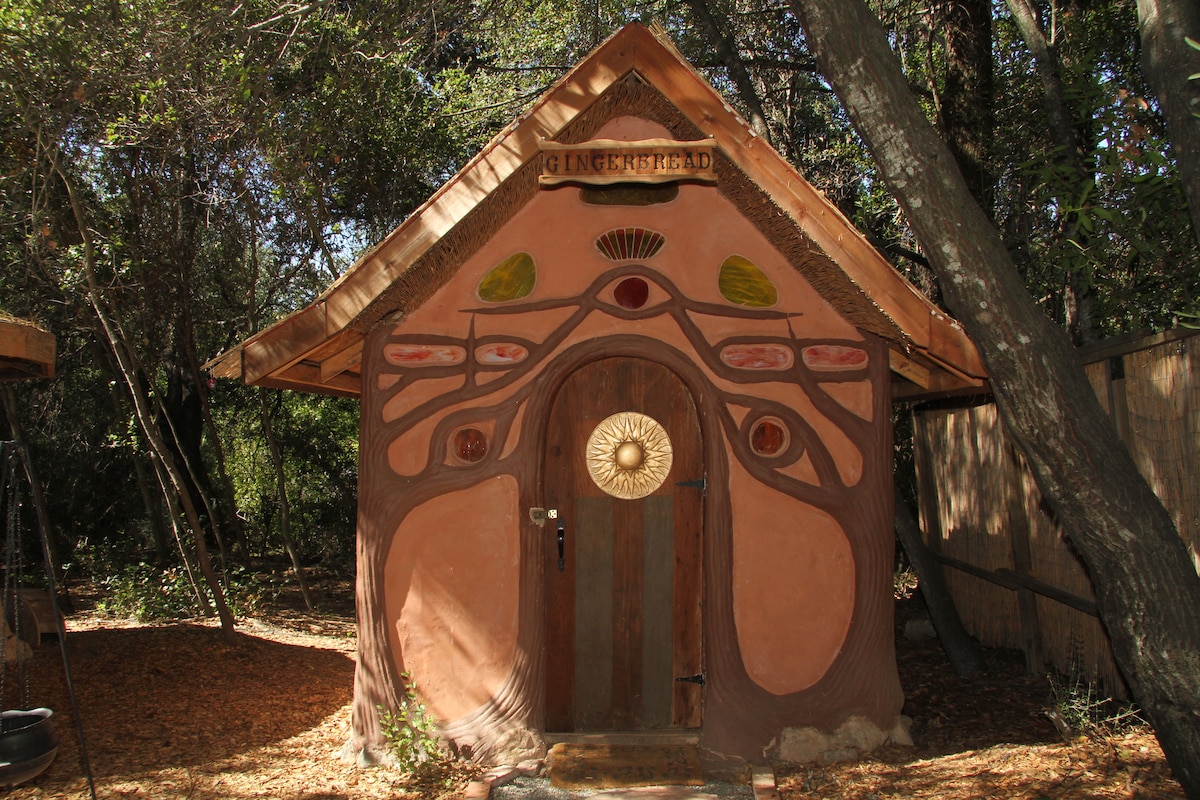
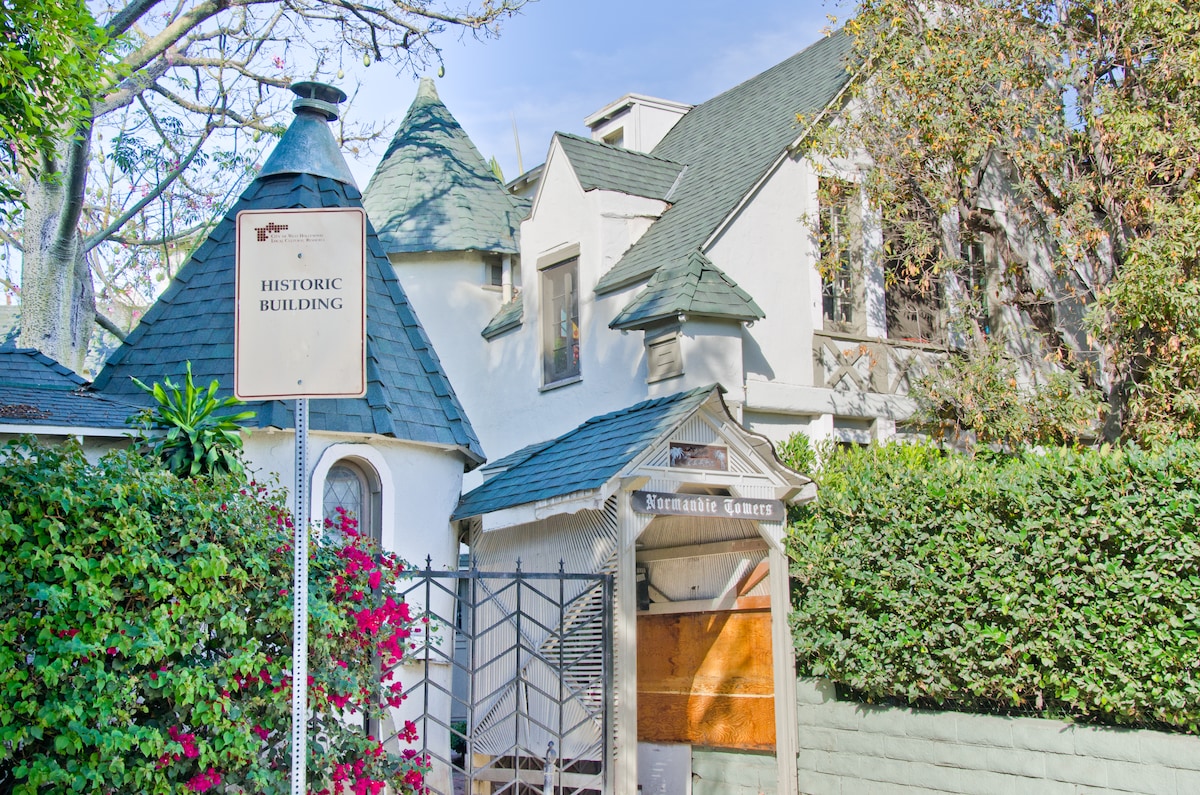
Tony was browsing through Airbnb the other night and a list of fairytale cottages sparked my interest. Unfortunately (for me) most of them are in California.

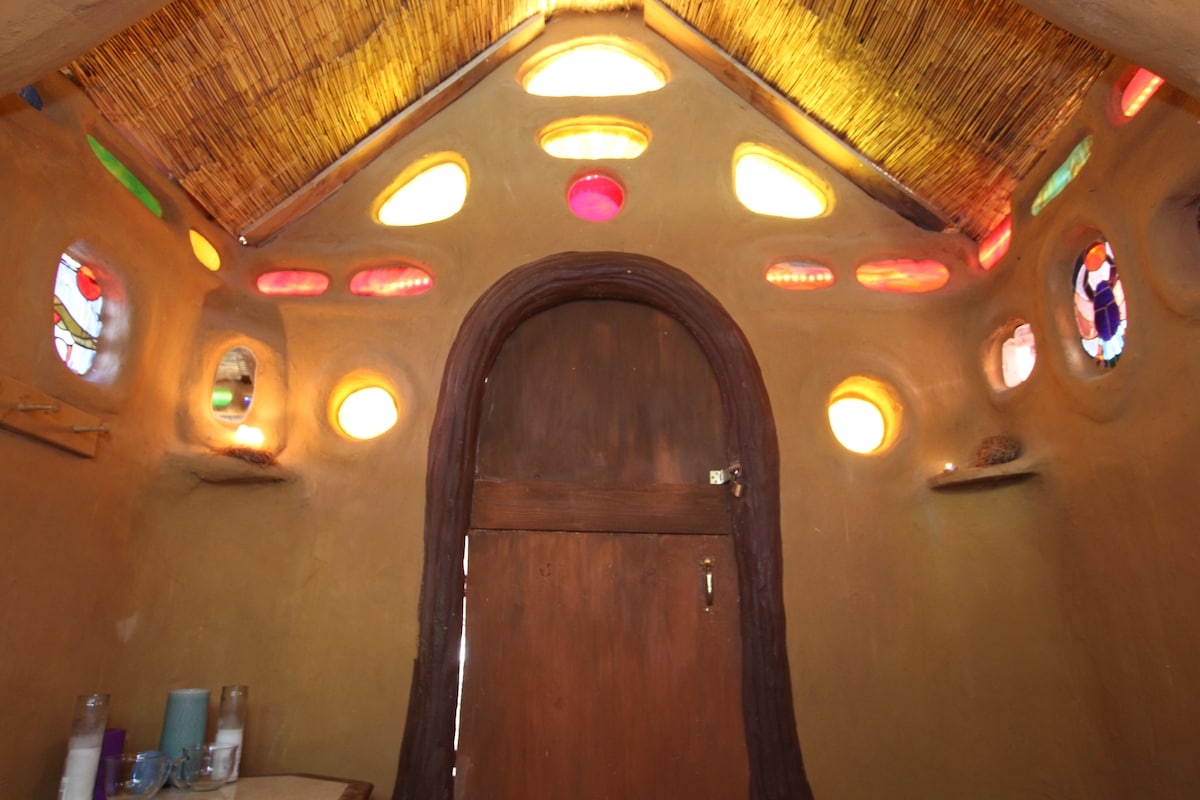
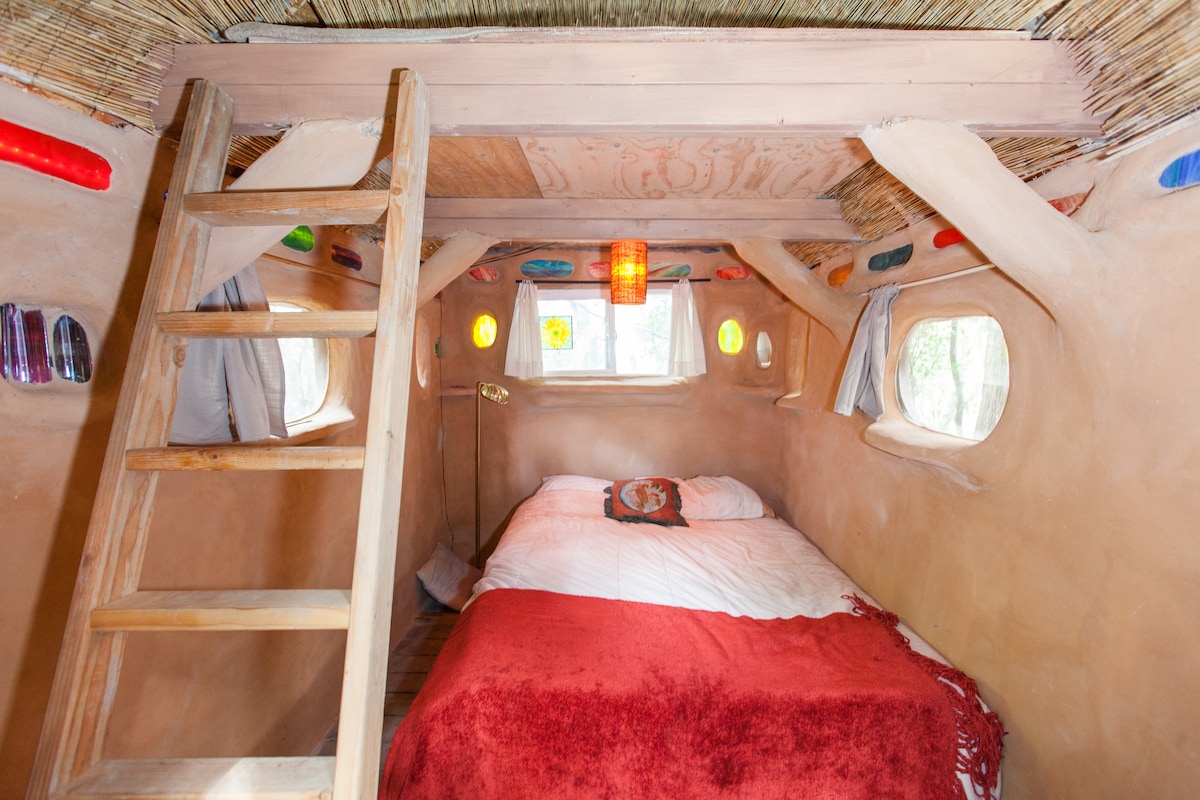
The Fairy-tale Gingerbread House was the most directly related to fairy tales:

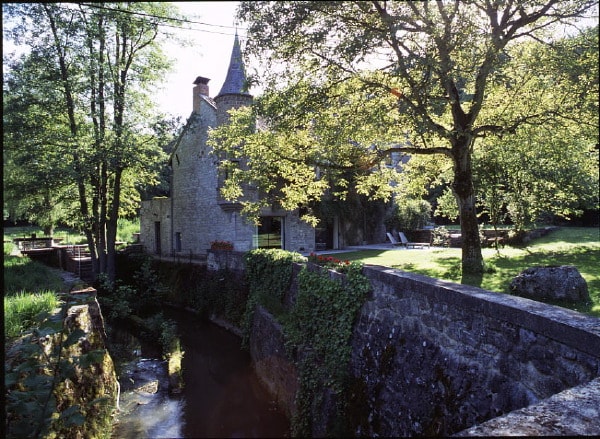
There is also a castles listing:
Les Duves in Belgium


I also found this list of  Fairytale Abodes: 15 Tiny Storybook Cottages.
The site says: "Humble and beautiful in their imperfection, little cottages with hand-made details call to mind the tales of the Brothers Grimm and other fairy stories, making us long for an adorable abode to call our own. These tiny houses provide inspiration to simplify and live smaller, and they’re definitely fun to look at. So make yourself a mug of hot cocoa, settle into some blankets and get ready to daydream about cozy snow-covered cottages brimming with the magic of storytelling."

And if you like these, a simple Google Image search reveals many more enchanting little cottages:
Image 1/2/3/4

Monday, January 5, 2015

The Literary Fairy Tale in Italy

While names like the Grimms, Hans Christian Andersen, and Charles Perrault may be household names associated with the fairy tale genre, many people are unaware that the literary fairy tale tradition started much earlier in Italy with two main men; Giovan Francesco Straparola and Giambattista Basile. They wrote tales in fairy tale tradition, including predecessors to some of our most famous fairy tales, "Puss in Boots," "Beauty and the Beast," (Straparola's "The Pig King") "Sleeping Beauty" (Basile's "Sun, Moon, and Talia") "Snow White," (Basile's "The Young Slave"), "Rapunzel" (Basile's "Petrisonella") and "Cinderella" (Basile's "Cat Cinderella").
Warwick Goble, Basile's "Petrisonella" ("Parsley")

Yet despite their immense influence on the fairy tales we know and love today, the stories these men wrote were not widely accepted when they were published. At the time (16th century for Straparola, 17th for Basile,) the literary world was much concerned with the debate about what kind of fantastic fiction was acceptable to read. Fairy tales were widely looked down on as being fit only for crazy old women or simple young women.
Jules Garnier-frontspiece to Straparola's The Facetious Nights

Both collections of stories were organized in frame narratives, with each of the tales being told by narrators. In Straparola's collection, there were male and female narrators, but the fairy tales were only told by the women; the men told more realistic stories. Basile's stories were narrated by ten old women, each with some kind of deformity-limping, hunchbacked, large-nosed, drooling, etc.-which Bottigheimer says is a "grotesque parody" of Straparola's elegent women. Interestingly, when a later Italian reviewer defends the genre of fairy tales, he does is by comparing them to the epics and classics written by men that were held to be "good" literature, therefore masulinizing them.
Warwick Goble, Basile's "Sun, Moon, and Talia"

These Italian stories are shocking to most modern audiences; they are lewd, violent, and sexual and were not necessarily meant for children. It was common not only for the peasants to tell each other tales while they did their chores, but it was a custom for Neopolitan nobles to call on courtiers to entertain them by reading or reciting some sort of amusement. The type of story the courtier chose would then reveal his character, or how refined his tastes were. The ultimate story was thought to have some sort of allegory or meaning to it; fairy tales were seen as frivolous because there was no deeper meaning. Those who defended fairy tales claimed that they had deeper allegorical moral lessons as well, but no one seemed to be arguing for a fantasy story to have value for the sake of entertainment and imagination itself (many other epics and legends of the day had morals inserted into them, which made them more acceptable, rather like the fairy tales themselves as they entered the Victorian era...)

Fairy tale writer Carlo Gozzi (1720-1808) actually wrote his fairy tales precisely because he did NOT approve of them-he chose what he viewed a "lowly" form of story as the basis for a play simply to prove that audiences would watch anything and were not discerning. Yet in doing so, he ironically produced popular versions of fairy tales that did, indeed, have political and aesthetic points of view. The fairy tale as a genre would not be acceptable in high society until the French started writing and telling them.

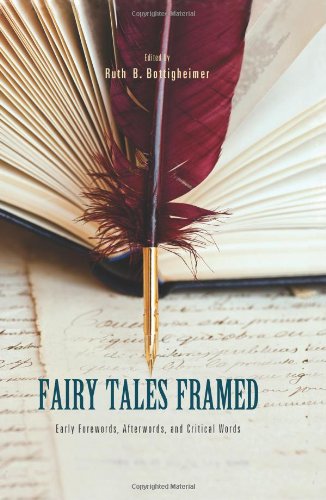
*Information taken from Ruth Bottigheimer's Fairy Tales Framed: Early Forewords, Afterwords, and Critical Words (I got this book for Christmas, as well as the Baba Yaga book by Andreas Johns, so there will be more posts from each of these!)

Friday, January 2, 2015

Kenneth Branagh on his new Cinderella

Reader chizzie-shark shared this link  with me, an interview with Kenneth Branagh about his new Cinderella movie. I love this quote, it makes me more interested in seeing his version of the fairy tale:


"Oh My Disney: One of the themes of the new film is courage. How did that inform Cinderella as a character?
Kenneth Branagh: I think that she learns to turn the other cheek with strength. She has no sense of self-pity, no sense of being a victim. She makes her own choices, She doesn’t indulge in her own pain or hardships. She looks at the world with compassion. I find her such good company because she’s so un-showy, and yet she’s so charismatic. I think she really knows herself."
Are people excited about this version? Or, like so many recent fairy tale movies, is it better not to get our hopes up? Speaking of which, who's seen "Into the Woods"? So far, other fairy tale bloggers seem pleased overall...

Tuesday, December 30, 2014

Beauty and the Beast by K.M. Shea

Browsing Kindle for classics you can download for free (you have to search for them, but they're there, even if you don't pay for Kindle Unlimited! Including several public domain fairy tale books!), I was surprised to find a novel version of Beauty and the Beast I haven't heard of before, by K.M. Shea.

Beauty and the Beast (Timeless Fairy Tales Book 1) is apparently only available on a kindle version, but it's only $2.99 and anyone without a kindle can read it on your computer.

From the reviews it doesn't look spectacular. It seems like a nice, light, fun read that pleased many people, although the biggest critics say the writing isn't that great and there are some big plot holes. The editing is also pretty poor, although I've found that to be true for any Kindle version of a book I read.

Book description: "Once upon a time Elle made a mistake. A small miscalculation sends her through the roof of an enchanted chateau. Stranded until her broken leg mends, Elle is forced to rely on the good will of the sour chateau owner --the cursed Prince Severin.

Prince Severin--the commanding general and staunch supporter of his brother the crown prince--is cursed to look like a beast until a maiden falls in love with him. However, he has given up all hope of shattering the curse after several painful and failed attempts to break it. As such he has only disdain for Elle, leaving her to the devices of his bossy servants. This suits Elle perfectly as she dislikes the entire royal family, Severin included.

Unfortunately for the unsuspecting pair, the chateau servants are determined to break the curse and spend the majority of their time pushing Elle and Severin together. After bonding over gardens, animals, and terrifying squirrels Elle and Severin show signs of friendship, and perhaps something more...

But not all love stories can end that easily. After all, Elle is not what she seems, and Severin's life is placed in danger when hostilities flare between his brother and the monarchs of a neighboring country.

If they really want the love of a lifetime Elle, a loyal liar, and Severin, an indifferent beast, will have to use every trick they know to survive.

Timeless Fairy Tales are loosely related stories that take place in
the same world. They can be read as a series, or as individual, stand
alone books."


Has anyone read this and have an opinion? Is it worth $2.99? One two-star review is entitled "Bah. Nothing like Robin McKinley's vastly superior work." Oh, Robin McKinley, you have ruined a generation of BATB loving book readers for life because NOTHING compares to that first adaptation...

Also, K.M. Shea has fairy tale adaptations of three other stories as well in the "Timeless Tales" series, including Wild Swans, Rumpelstiltskin, and Cinderella.


Sunday, December 28, 2014

The Evolution of the Beast

Our perceptions of the beastly will not only affect how we read the story of "Beauty and the Beast", but other fairy tales such as "Little Red Riding Hood" and numerous others that feature animals.
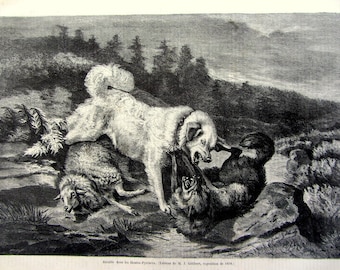
Dog fight illustration-1870

To audiences hundreds of years ago, animals such as a wolf in the forest or a Beast demanding your daughter would have been truly frightening. When much of the land people lived in still contained wild animals, attacks would have been a regular risk. We tend to only see wild animals contained in zoos or translated into cute, fluffy toys for children-even the teddy bear is a relatively recent invention, thanks to Teddy Roosevelt.
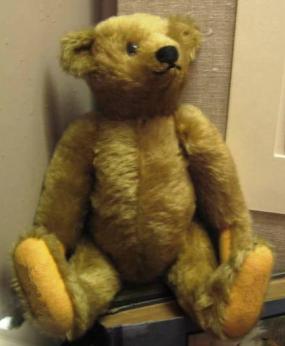
Replica of the original Teddy Bear

Older folk versions of Animal Bridegroom tales feature husbands that were clearly ugly and undesirable. They were not man/beast hybrids that were essentially more hairy and masculine men; they were straight up animals who could also talk and desire brides. The Beast has been everything from pig to frog to snake. This unusual husband was never meant to be attractive.
Eleanor Vere Boyle, 1875

In Villeneuve's 1740 story that sparked the "Beauty and the Beast" tradition as we know it, although she was possibly the first to make the Beast a hybrid creature; he was, if anything, a more horrifying combination of animals-a trunk like an elephant and a scaly covering that clanked when he moved.
Anne Anderson, 1935
Anonymous, for the Charles Lamb poem-1887


Beaumont's 1756 story, a shorter version of Villeneuve's, was directed towards young girls as part of their moral education. In hers, the Beast is never given a specific description. For years, illustrators had full range of imagination when creating the Beast, but he was still, in general, animalistic, and completely undesirable husband material.
W. Heath Robinson, 1921
Charles Robinson, 1911

It may seem disturbing to indicate bestiality, or imagine such a union. There are a couple explanations for why authors suggested such a marriage. I think some of the tellers of earlier tales may have been trying to communicate the horrors of arranged marriage-young girls being forced to marry older men, sometimes abusive or domineering, but with no other option. By the time Beaumont wrote her version, the moral was more along the lines of how an obedient wife could transform a beastly husband into a gentleman. But Villeneuve is clear about her message: the importance of marrying not for looks, money, or wit, but how kindness and character are the most important qualities to look for in a husband.  The moral is enforced even more in some versions (such as Eleanor Vere Boyle's 1875 story) by contrasting Beauty's happiness to her sisters, who married for looks and wealth and regretted their decisions when their husbands ceased to treat them well. This moral is still often attached to the story today, the idea of looking beneath the surface: "do not judge by appearances, for beauty is found within."
Edmund Dulac-1910
H.J. Ford, 1889


But the image of the Beast has changed drastically since the days of Villeneuve and Beaumont. Two main things have happened: he has become tamed, and sexualized.

The more man took control of animals, the less fearsome wild animals became. They were now exciting, something to see in a circus or zoo or take home as a pet. Some images of the Beast became downright cute and cloying.
My own plush Disney Beast doll
Jessie Wilcox Smith, 1911
A.L. Bowley, 1920
Margaret Evans Price, 1921

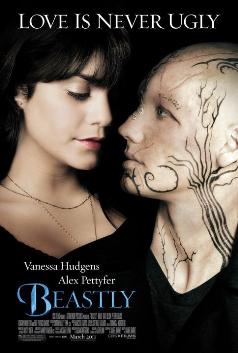
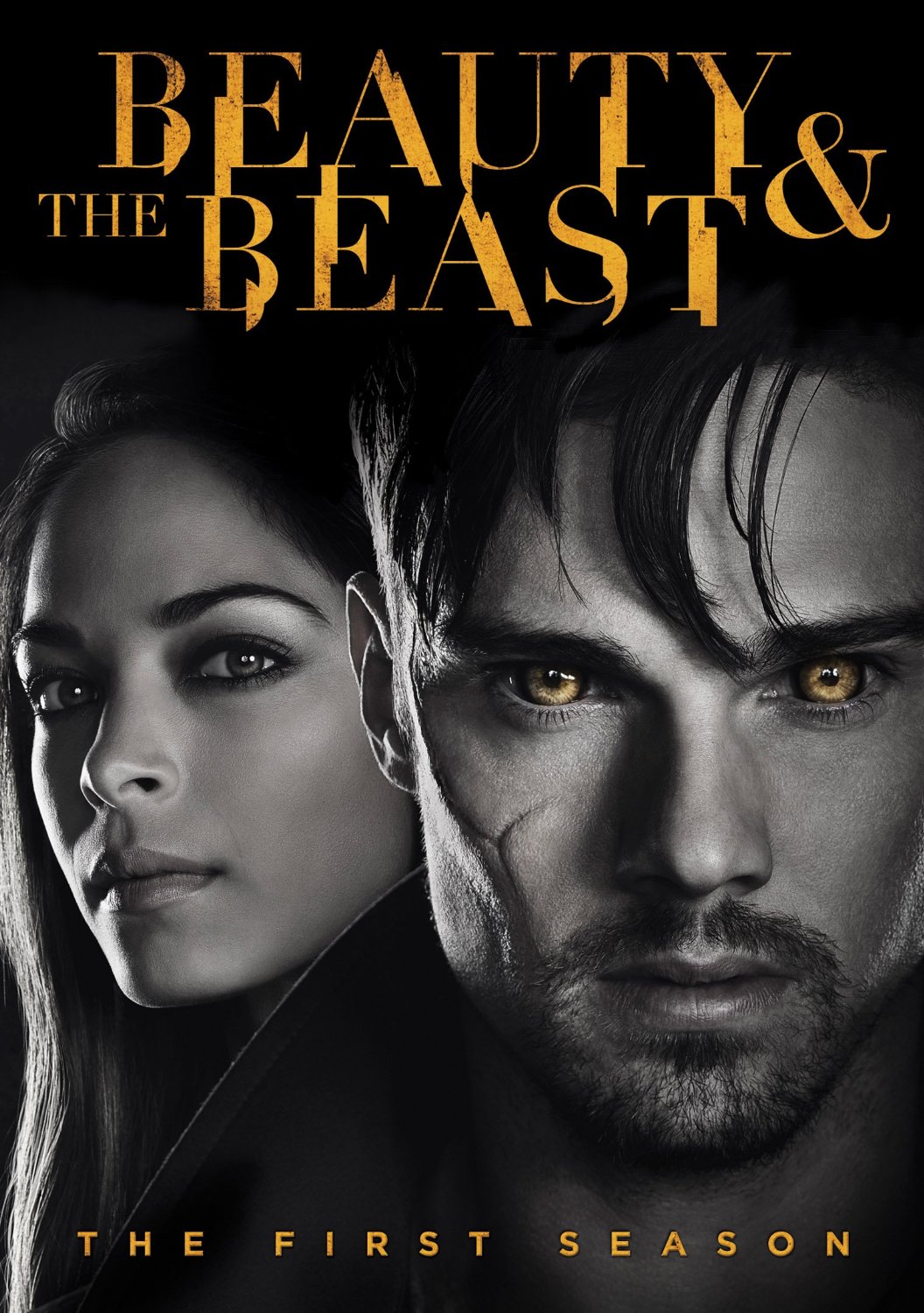
Over time, the Beast has also become more and more attractive. First he became more human, and now some versions of the "beast" aren't the least bit Beastly. You can think of the Phantom of the Opera as a modern version of BATB, and the Twilight series, to the men from the film "Beastly" and the CW show in which the men just have tattoos or, as one commentator said, "one tiny scar on his pretty pretty cheek."
Phantom of the Opera Film-2004 (Musical-1986, book-1909)
First Twilight book published 2005
Beastly-2011
The CW's Beauty and the Beast-2012-present
Once Upon a Time-Rumpelstiltskin/Beast-2011-present

These are the mainstream versions of BATB that most people are still familiar with. There are some more foward thinking authors who have taken the next step, which is to embrace the Beast's animal nature-he might not transform, he is considered atttractive the way he is; sometimes the Beauty character turns into an animal as well-in the writings of Angela Carter, Tanith Lee, Francesca Lia Block, and Robin McKinley. With these stories, his animalistic nature is thought to represent his sexual nature, which we no longer suppress the way they did in Victorian times. 
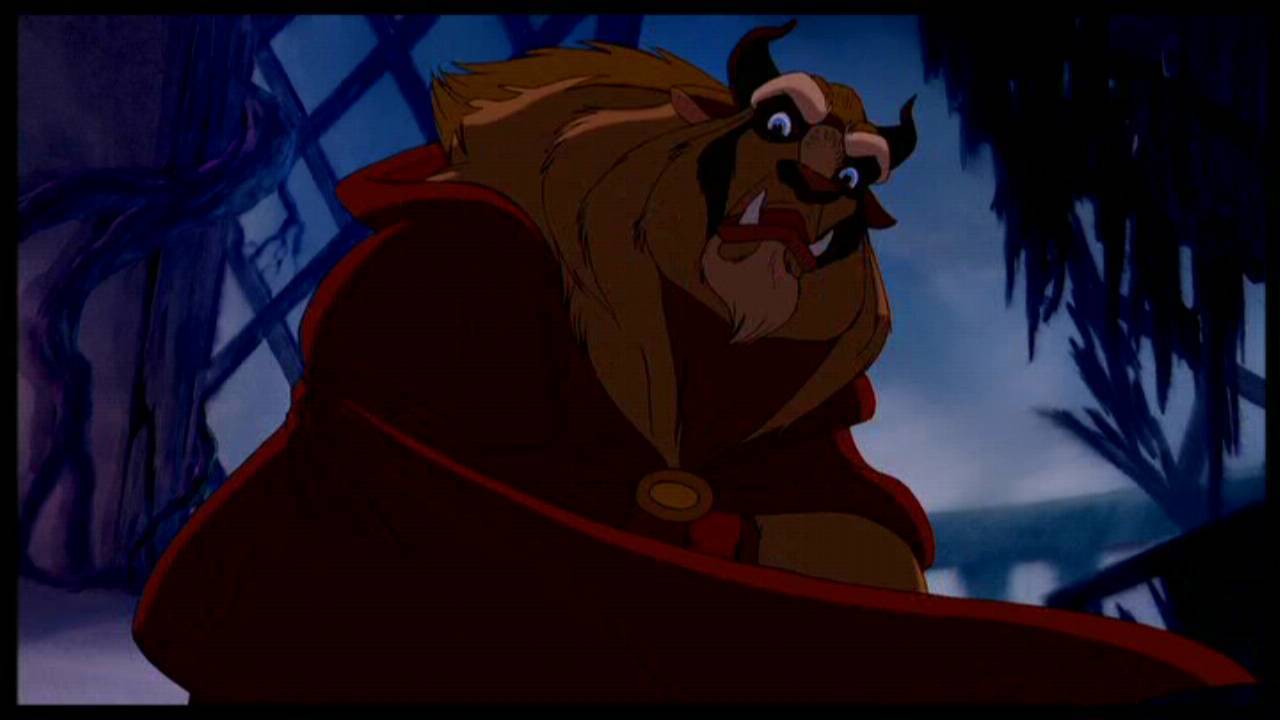
Disney's Beast-1991

Yet these examples, while they might represent some of the most modern takes on BATB, are ones that are generally read only by people who actively search out versions of BATB and other fairy tales, not by the general population. For the masses, the Beast is still a Disney buffalo-like creature, or a series of storybook illustrations. We don't find him fearsome anymore, in fact, there's this idea that it's Beauty's role to find him attractive-yet there are virtually no examples in which men are rewarded for loving a less-than-attractive woman ("Shrek" is a parody; other examples, like Gail Carson Levine's "Fairest," will probably never be read by boys anyway-other older fairy tales, such as "Green Snake" or variants of "Frog Princess", are virtually unknown). Many women are intrigued by the idea of loving the brooding, misunderstood genius, but we've lost that element of horror associated with marriage to a Beast.

Wednesday, December 24, 2014

Fairy Tales and Elf

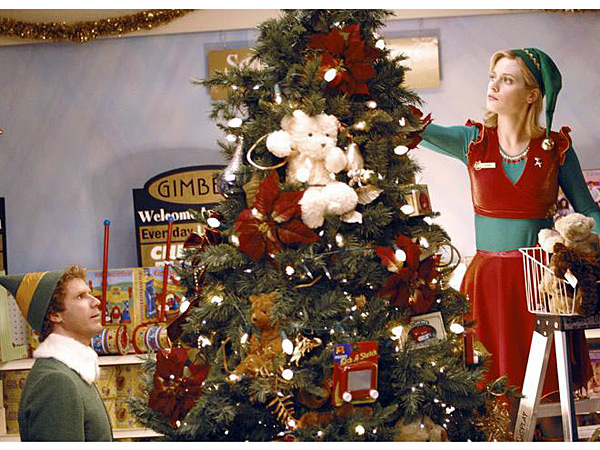
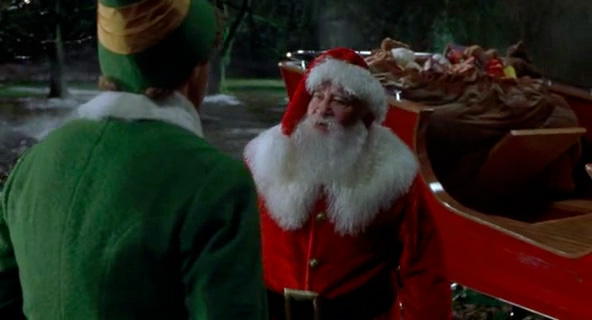
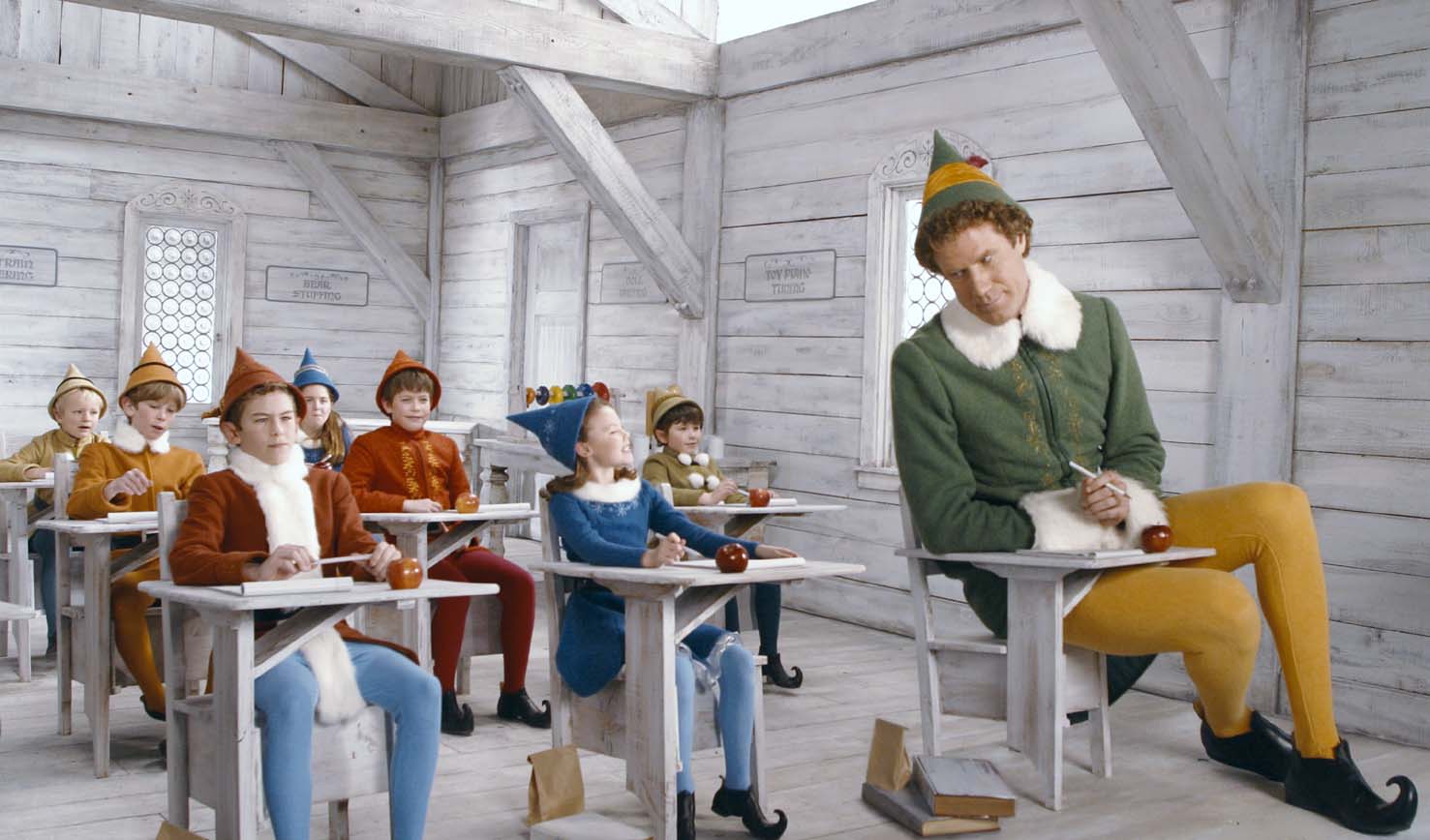
So, I was watching Elf with the commentary the other day (because no Christmas season is complete without watching "Elf" at least once...) and Will Farrell said something interesting. He was talking about the scene at the end where Buddy finds Santa in Central Park, the sleigh is broken, and they're being threatened by the fictitious Central Park Rangers. And he said that, in all the classic fairy tales, there's some element of danger and fear, and that that was their "dangerous" addition.
(Not a very good picture, but part of the idea was to keep the Central Park Rangers hidden and therefore more mysterious and ominous a force).

I appreciated his recognizing that fairy tales are actually rife with danger and scary parts, as opposed to the all-to-prevalent view that the fairy tale world is more like the North Pole of this movie, where things are so childlike and innocent that to call someone a "cotton-headed ninny muggins" is shocking. Of course, the Central Park Rangers are hardly even frightening, although the director Jon Favreau did say they were secretly an homage to the ringwraiths in Lord of the Rings.

Also: This Cinema Blend movie review of "Elf" claims that the story  "borrows heavily from other well known tales (most obviously “A Christmas Carol” and “The Ugly Duckling”)"but nowhere did either Favreau or Farrell ever mention those stories, although they did discuss their inspirations and the motivations behind plot elements and changes to the script. (One of them did, at one point, compare James Caan's character to Scrooge). I think it just goes to show how powerful the classic fairy tales are, that people assume any similar story is "borrowing" material. The concept of someone who feels like they don't belong is a very universal problem; all of us at times question our identity or purpose in life. But of course, we're all familiar with Andersen's fairy tale, so we can't really prove it doesn't subconsciously influence the stories we create...
Milo Winter

Merry Christmas!! I hope you are all able to spend time with friends and family, however you celebrate the holidays!