Showing posts with label Princess and the Pea. Show all posts

Wednesday, June 14, 2017

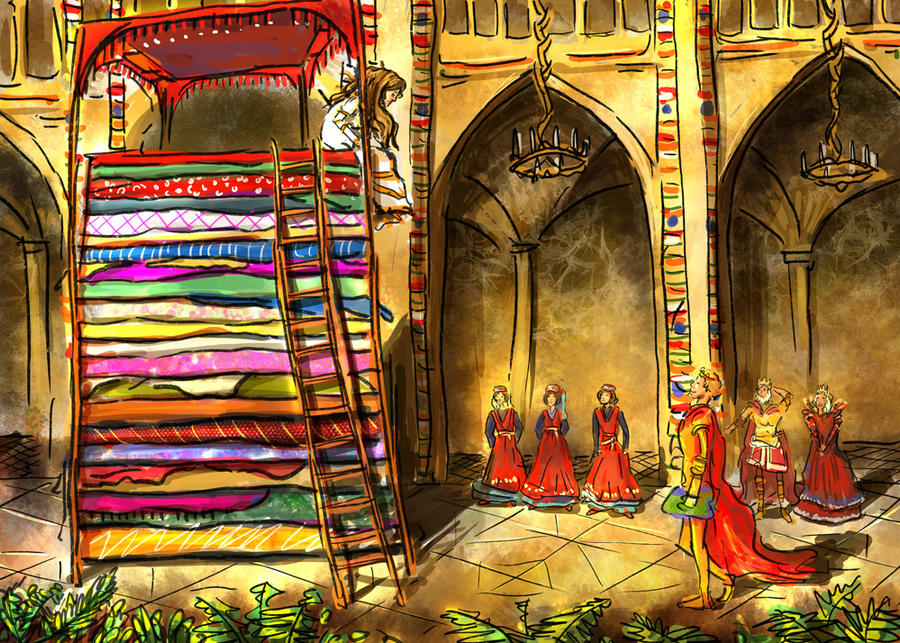
Prince(s) and the Pea

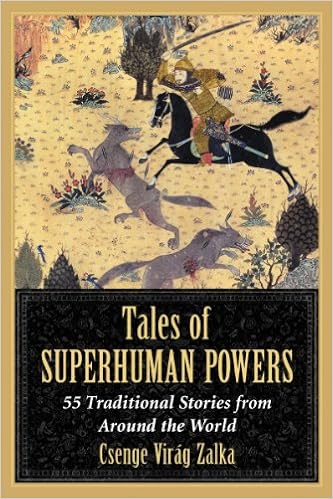
I've heard of tales related to Princess and the Pea in which other women were so delicate that even flower petals, moonbeams, and sounds gave them bruises, but this story from Csenge Virag Zalka's Tales of Superhuman Powers is the first story I've heard of that gives us a gender swapped version of delicate skin!

"Three Critical Men" from India tells of three brothers who are all trying to avoid fetching a turtle for their father to sacrifice, each using his sensitivities as an excuse, the eldest to food, the middle to women, the youngest to beds. Since they couldn't decide who was the most critical, their father gave them each a test. The eldest found the smell of a gourmet feast to be repulsive, smelling like corpses, and it was discovered the rice had been grown in fields that were close to a funeral burning place. The second son couldn't stand the smell of a beautiful woman that was sent to him, saying she reeked of goats, and it was found that the woman had been raised on goat's milk. And when the youngest had a bruise on his side from his bed piled with seven mattresses, a single strand of hair was found under the mattresses. In the end each brother was given gold and said to be equally critical, and the turtle was forgotten about.

There are other related tales to this around the world, Zalka shares. The sensitivity of the Princess in Andersen's famous tale could be seen, if not as a literal unfortunate condition, symbolically or satirically. In "The Three Critical Men", the sensitivities are really more like really refined tastes-each is a connoisseur in his respective field, and at the end they are referred to as "abilities" (although it seems like they would just make life more difficult for the brothers).

There is also The Tale of the Dragon, from Greece, in which a King tests a young man by putting ragged bed covers on his bed, to see if it will interrupt his sleep and reveal if he is truly rich or not. The man tosses and turns all night, satisfying the King-but not because of the covers, but because he was afraid of losing his pea with which he was to start his fortune. (Interesting way to connect a pea with loss of sleep...)

UPDATE: The Earl of Cattenborough is a Puss in Boots tale in which the young man is tested to see if he is really royalty by being given a "mean truckle bed." It's the cat who spots this potential red flag and tells the hero to refuse to sleep in it. (Thanks, Aster Haiku, for the link in the comments!)

Are there other gender reversed versions of "Princess and the Pea"?

Illustration by Kay Nielsen

Friday, April 21, 2017

Sleep in Fairy Tales


With my son Pearson almost 2 months old now, I have never been more sleep deprived in my life. Sleeping during the day when the baby sleeps, the advice you're usually given, is not as easy as it sounds-especially when you've always had a mild case of insomnia. I always used to think the main character in "Princess and the Pea" was too unrelatable-who wants to be a Princess who's too pampered and sensitive? But when I started to think of the pea as being the thoughts that keep me up at night, or a brain that takes a long time to relax, I now think of it in a whole new light.

Viktor Mikhaylovich Vasnetsov

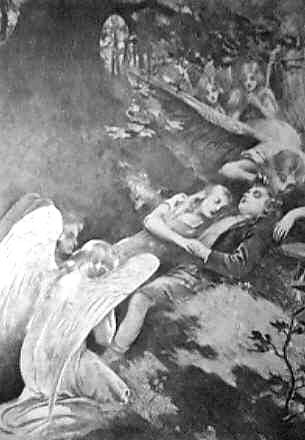
I also find it very ironic that "Sleeping Beauty" begins with the desire for a child and then involves a supernaturally long sleep. By now, the mere thought of getting a full 8 hours of uninterrupted sleep is a longed-for fantasy, so rather than seeming like a curse, the idea of a 100 year's nap sounds wonderful.  Maybe the sleeping princess isn't a way to condition little girls to be passive, but sometimes simply the parents telling a story expressing their own desire for sleep after that beloved baby finally arrives.

Yet, sleep functions very differently in other tales. In Animal Bridegroom stories, such as "East of the Sun and West of the Moon," the heroine disobeys the warning not to look at husband while asleep, and must go on a journey to find him. In many versions, she often then finds him engaged to another woman, where she finds a way to come to him at night but he is in a drugged sleep. Sleep is a source of temptation and an obstacle to be overcome in these instances.

Sleep can also be a dangerous, unguarded time, for heroes and villains. In "Hop o' My Thumb," the titular main character tricks the ogre into killing his sleeping daughters instead of himself and his brothers, and they use the rest of the night to escape. Many protagonists must escape a villain's house during the night, under the cover of darkness-so what is risky for one character is protection for another.

In the "Twelve Dancing Princesses," their lack of sleep part of an ambiguous curse; it's the Prince's avoiding sleep that allows him to find the truth. Same with Hansel and Gretel-they overhear what their parents intend to do to them overnight, and Hansel gathers the pebbles while their parents are sleeping. Later, it's while they sleep in the forest that their parents abandon them, sleep once again functioning as danger.

What other fairy tales are there that feature sleep/lack of sleep?

Illustration-William de Leftwich Dodge, 1899

Friday, December 2, 2016

Mindy Kalilng's Holiday GIF Cards- Fairytales

A couple of years ago, celebrity Mindy Kaling released these Holiday GIF cards that look at some of our favorite fairy tales with a bit of sarcastic humor.

There are a couple more here but the above were my favorites! Happy beginning of the holiday season!


Sunday, March 27, 2016

The Storybook Collection by JBW Studios

Artist J. Brooke Patterson creates intricate dioramas within real eggshells. The Storybook Collection contains several fairy tale scenes (as well as nursery rhymes, not included here).

The Real Princess
Princess and the Pea

The Nightingale
The Nightingale

Thumbelina
Thumbelina

Rumpelstiltskin
Rumpelstiltskin

Goldilocks and the Three Bears

Hansel & Gretel (lighted)
Hansel and Gretel (this one lights up!!)

The Ugly Duckling
The Ugly Duckling

"As a container of life, the egg inspires one to imagine the many things that can dwell inside.  It can frame and focus a passing observation, or a deep contemplation, and its intimate nature can draw people inwards. Inside this space is where I create little worlds that can enchant, delight, and amuse people.  While the themes are often narrative, I also embrace an appreciation for the decorative.  The shell itself is often a subject of my work and a point of departure.  I will explore its color and texture, and the juxtaposition between its strength and fragility.  I make a conscious effort to consider, choose, and combine different artistic methods.  It is in using the humblest of materials that I find the greatest reward."
-J. Brooke Patterson

Happy Easter!

Monday, February 16, 2015

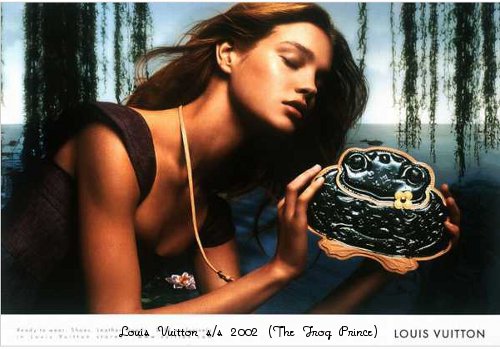
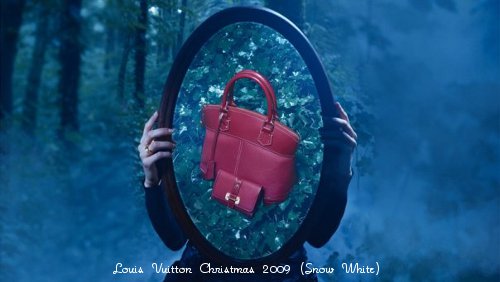
Louis Vuitton and Hermes Fairy Tales

Old images, but new for me-I love when major designers use fairy tales to advertise!

Louis Vuitton S/S 2002


Louis Vuitton Holiday 2009

Hermes S/S 2010


Wednesday, February 11, 2015

The Irony of Princess and the Pea

Hans Christian Andersen's story of "The Princess and the Pea" tells of a Prince's quest for a "true" Princess. According to the King and Queen, true royalty can only be tested by one's sensitivity; the ability to be upset by a pea under a stack of mattresses.
Arthur Rackham

The whole episode is meant to be exaggerated and funny, yet with an element of truth to it. Heidi Anne Heiner of Surlalune says, "Previous versions of the tale had the princess learning about the test from a sympathetic helper. She then passes the test with her cunning and foreknowledge. Andersen, on the other hand, liked the idea of a princess' true sensitivity and thus makes the princess an innocent victim of a bad night's sleep."

Jack Zipes points out the irony of the fact that the Prince traveled all over the world, when in fact he only needed to stay at home, because the True Princess came to him.
Kay Nielsen

Yet an even more glaring irony occured to me that I can't believe I never thought of before: in stark contrast to the Princesses' inability to sleep because of the pea, she travels by herself, through a rainstorm, to get to the Prince's palace. When she arrives, "what with the rain and the wind, she was in a sad condition; the water trickled down from her hair, and her clothes clung to her body."
Arthur Rackham

A "true" Princess would never travel alone, on foot, through a rainstorm! She would have an entourage making her journey as comfortable as possible, probably riding in a beautiful carriage, and being announced by trumpet fanfare and accompanied by ladies in waiting. Whatever sensitivity would lead to sleeplessness caused by a little pea would most certainly ensure that she would never even leave the door of her house in such conditions.
Kay Nielsen

According to Heiner's comment above, I wonder if Andersen even noticed the irony of this situation, but the rainstorm travelling episode certainly seems to indicate the folk tales in which the Princess passed the test by cleverness, not by being spoiled. Maria Tatar's and Jack Zipes' reflections on the tale would indicated that Andersen was motivated partly by criticizing the upper class, poking fun at their obsession with establishing bloodlines; yet at the same time Andersen had longed his whole life to be accepted by this same group of people, so he was also vicariously living through the Princess.
This post by Carol L Ward has the summaries of several folk versions. It's likely that the one Andersen had heard in childhood, and thus based his story on, is the Swedish "Princess Who Lay on Seven Peas." I can't seem to find a fell text version online though, let me know if anyone has a link!

Wednesday, December 17, 2014

A Fairy Holiday

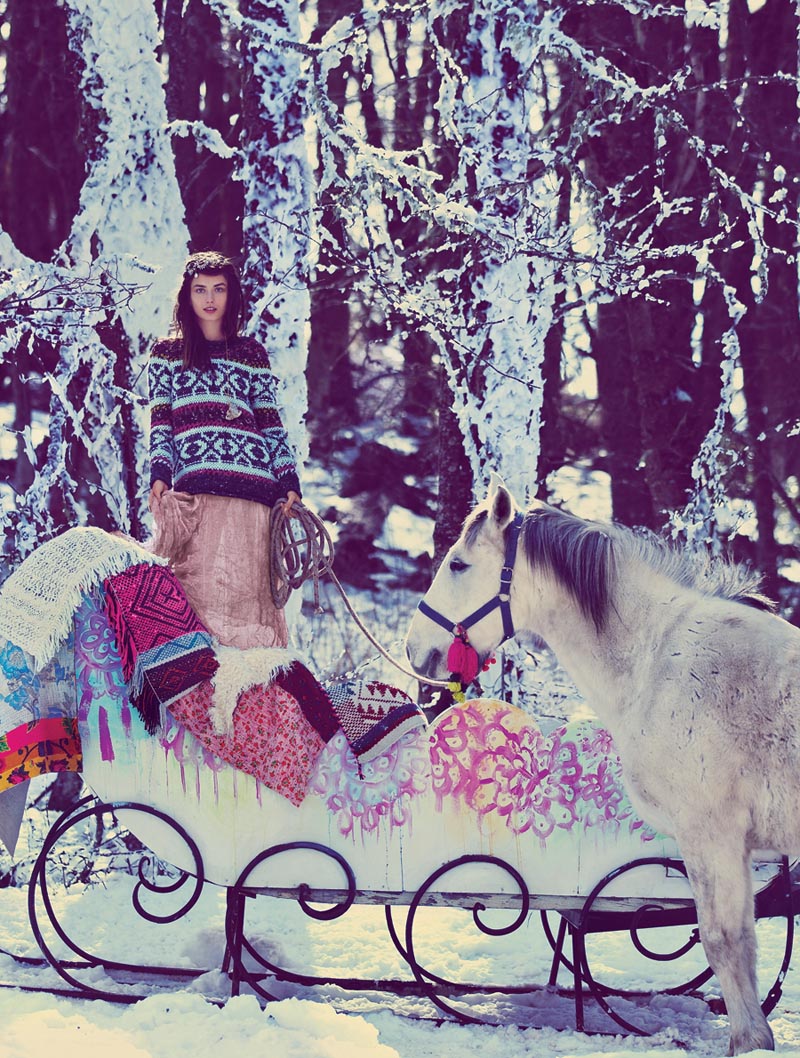
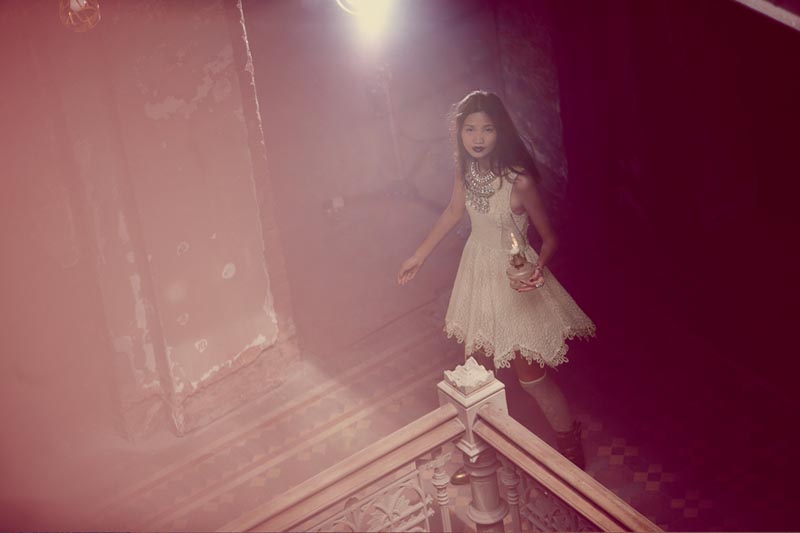
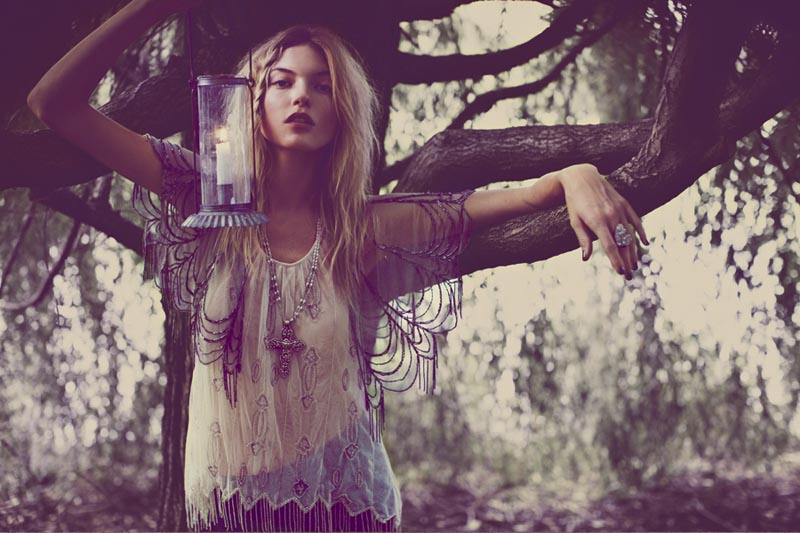
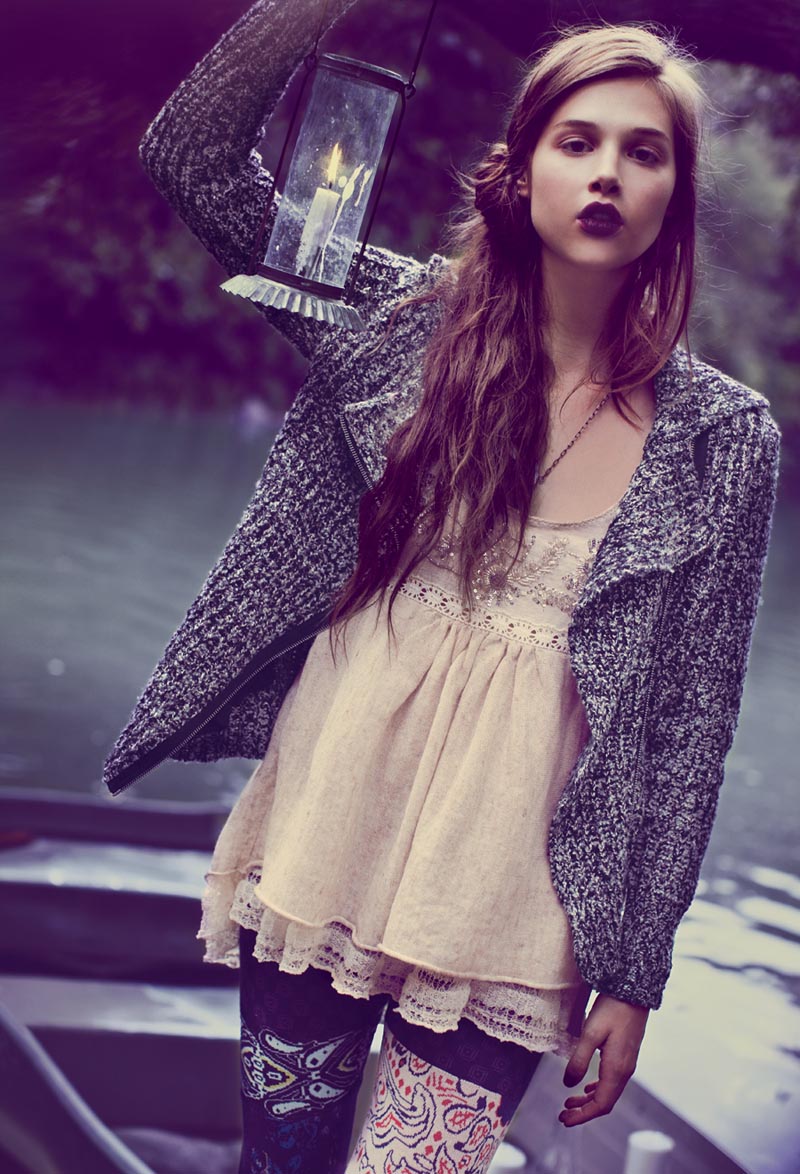
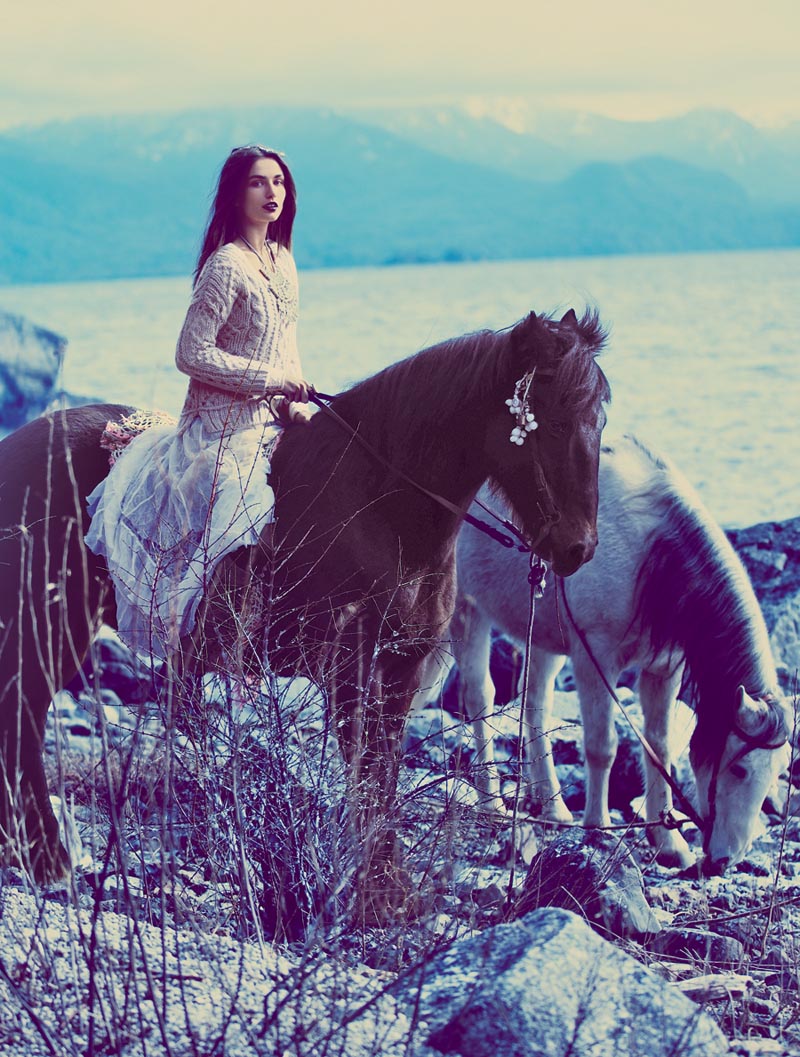
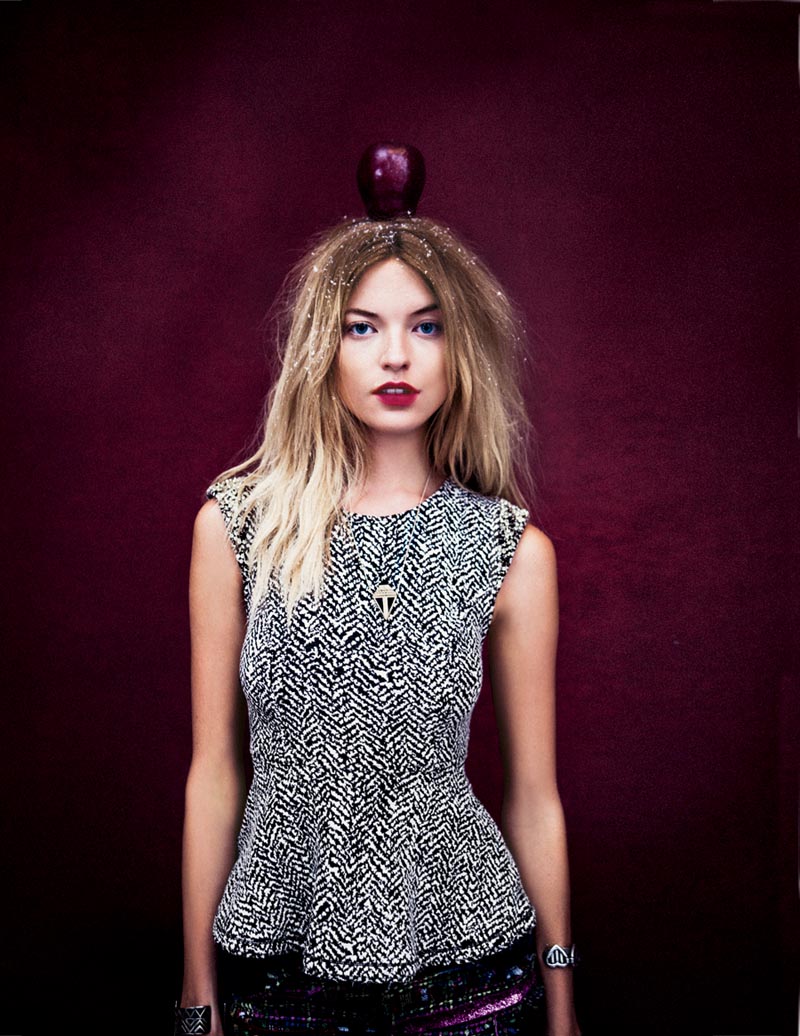
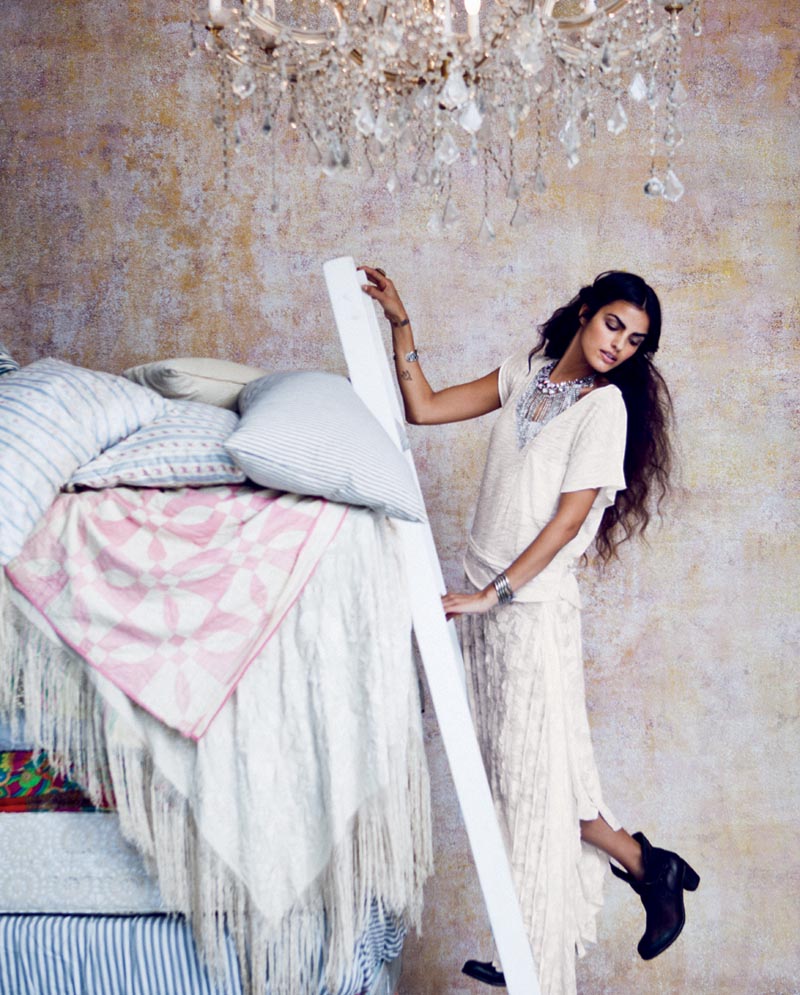
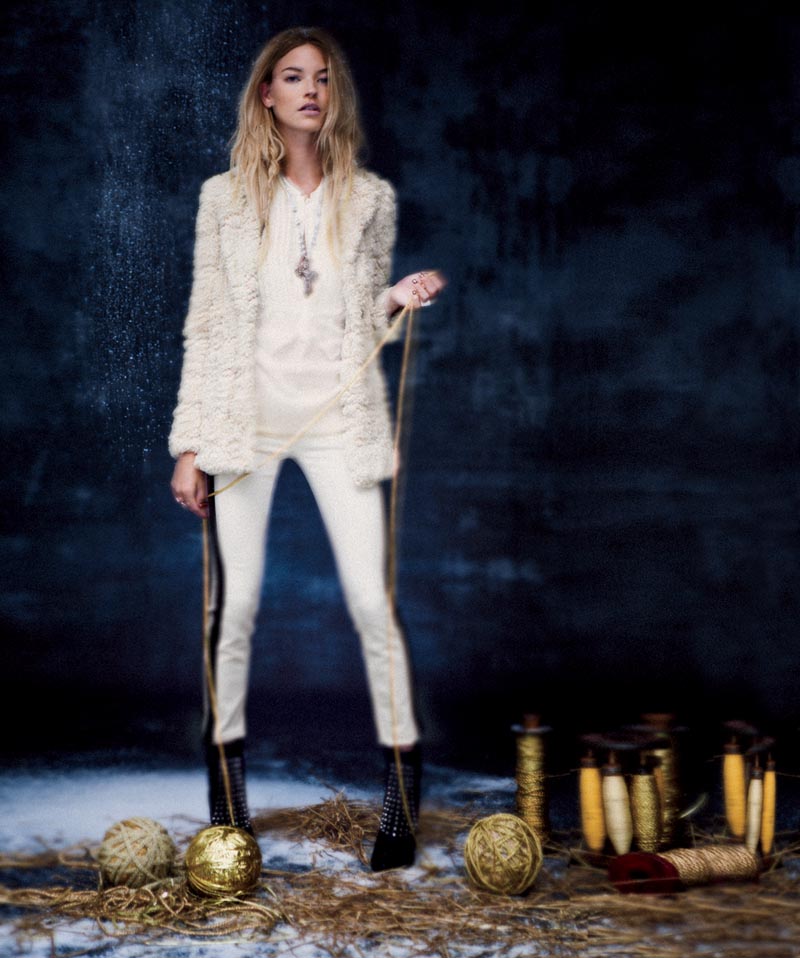
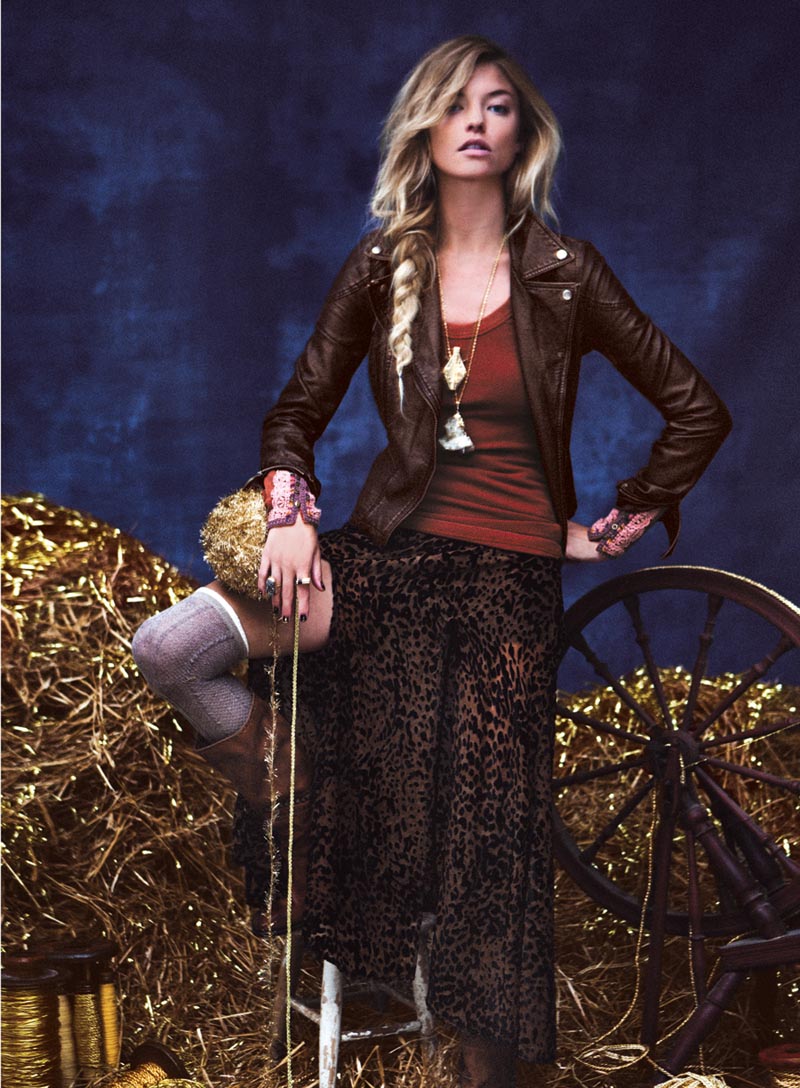
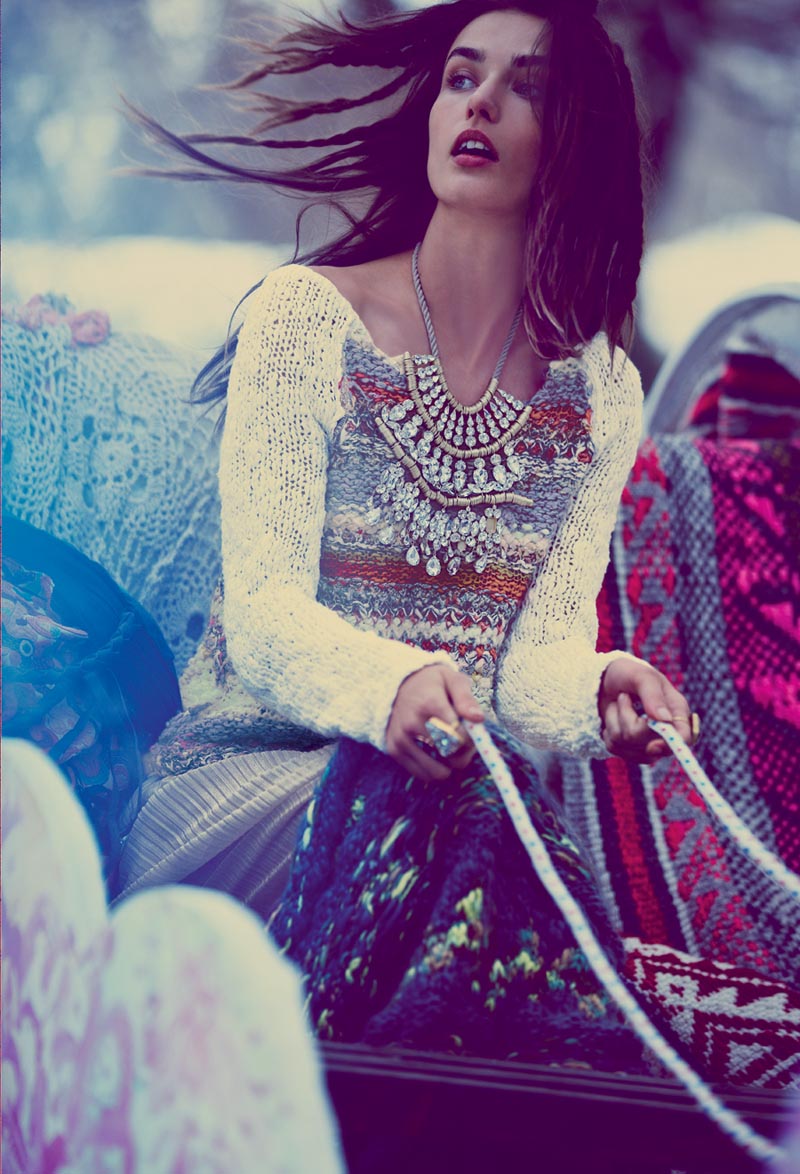
This is from a couple years ago, but I just stumbled across this fairy tale themed holiday fashion shoot.
When I first saw the phrase "Fairy Holiday" I thought it would be the more general sense of "winter wonderland/magical," but I was excited to see that Free People's November catalogue was based on specific fairy tales, and the photos tell the story! More photos are on this site.

Twelve Dancing Princesses:


Rumpelstiltskin:

Snow Queen: (top image)

Snow White:


Princess and the Pea:


Monday, November 10, 2014

Princess and the Peanut

These books aren't new, Heidi Anne Heiner of Surlalune shared both of them back in 2011, but I just came across these two children's books that use the concept of "Princess and the Pea" to explore allergies.
The Princess and the Peanut: A Royally Allergic Tale by Sue Ganz-Schmitt and illustrated by Micah Chambers-Goldberg, 2011
The Princess and the Peanut Allergyby Wendy McClure and illustrated by Tammie Lyon, 2009

From this review:

"According to the Centers for Disease Control and Prevention (CDC), around 3 million American children under the age of 18 suffer from food allergies. Dr. Scott H. Sicherer of New York's Jaffe Food Allergy Institute estimates that about 1 percent of schoolchildren are allergic to peanuts. Allergic reactions vary from minor to severe to fatal. Even the ingestion of an infinitesimally small amount of a peanut-laden product may prove fatal. Furthermore, administration of epinephrine, an antidote injected to reduce symptom severity, is not always effective. Also, food allergens easily cause social anxiety in children as they must always be alert, at their young ages, to ingredients.
Spontaneous consumption, such as food sharing at lunch, may also present hazards. Children want to blend with their peers, but food allergies make them stand out with a self-conscious difference. One of the best ways to sensitize public awareness to the dos and don'ts of interactions with allergic children is through believable stories such as The Princess and the Peanut Allergy." 
H.J. Ford

I really like this concept for a "Princess and the Pea" retelling. The story itself is about extreme sensitivity, and children with allergies could relate to the princess who suffers under circumstances that a typical person wouldn't even notice. Allergies can be hard enough as an adult, but how hard is it to have to deny children things like birthday treats? Tony is senstitive to gluten, so over the past few years I've gotten a small glimpse into the world of having to either request alternate foods or watch other people eat what you can't, and it can be hard. Other people may view it as an annoyance when they're not allowed to bring peanut products into certain spaces, or might assume you're high maintenance if you don't eat things that are provided at parties or meetings. To a child who struggles with potentially dangerous consequences just for eating or even inhaling certain foods in the air, being able to compare yourself to a fairy tale princess might be a small consolation.
Delicious to most, deadly to some-image from here