Showing posts with label Goldilocks and the Three Bears. Show all posts

Sunday, March 27, 2016

The Storybook Collection by JBW Studios

Artist J. Brooke Patterson creates intricate dioramas within real eggshells. The Storybook Collection contains several fairy tale scenes (as well as nursery rhymes, not included here).

The Real Princess
Princess and the Pea

The Nightingale
The Nightingale

Thumbelina
Thumbelina

Rumpelstiltskin
Rumpelstiltskin

Goldilocks and the Three Bears

Hansel & Gretel (lighted)
Hansel and Gretel (this one lights up!!)

The Ugly Duckling
The Ugly Duckling

"As a container of life, the egg inspires one to imagine the many things that can dwell inside.  It can frame and focus a passing observation, or a deep contemplation, and its intimate nature can draw people inwards. Inside this space is where I create little worlds that can enchant, delight, and amuse people.  While the themes are often narrative, I also embrace an appreciation for the decorative.  The shell itself is often a subject of my work and a point of departure.  I will explore its color and texture, and the juxtaposition between its strength and fragility.  I make a conscious effort to consider, choose, and combine different artistic methods.  It is in using the humblest of materials that I find the greatest reward."
-J. Brooke Patterson

Happy Easter!

Monday, January 18, 2016

From the Archives: Heidi Anne Heiner on the History of Goldilocks

This information was taken from an article Heidi Anne Heiner (of Surlalune) wrote for Faerie Magazine. 
*****************************

The earliest known manuscript of "Goldilocks" was a little illustrated book done in 1831 by Eleanor Mure made for her nephew's birthday. The story was referenced in 1813 as well so we know it's been around since before then.

The older tales we know of centered around the bears, and the intruder was actually an old woman. The bears are the protagonists and the intruder the villain. Robert Southey's 1837 version of the story (which for years was thought to be an original story, before the Mure version was discovered) includes all male bears, whose voices were represented by different fonts. (This story makes a great music lesson plan for young children, as you can teach high and low sounds with the bear's voices).

Mure's tale has the bears attempting in vain to murder the old woman-their inability to do so probably because she was a witch.

The switch from evil old woman to adorable little gir began with Joseph Cundall in 1850, who, when explaining why he made the change, wrote that the tale was better known as "Silver-hair" (although the illustrations to his tale show a little brunette), and that there were already plenty of stories with old women.

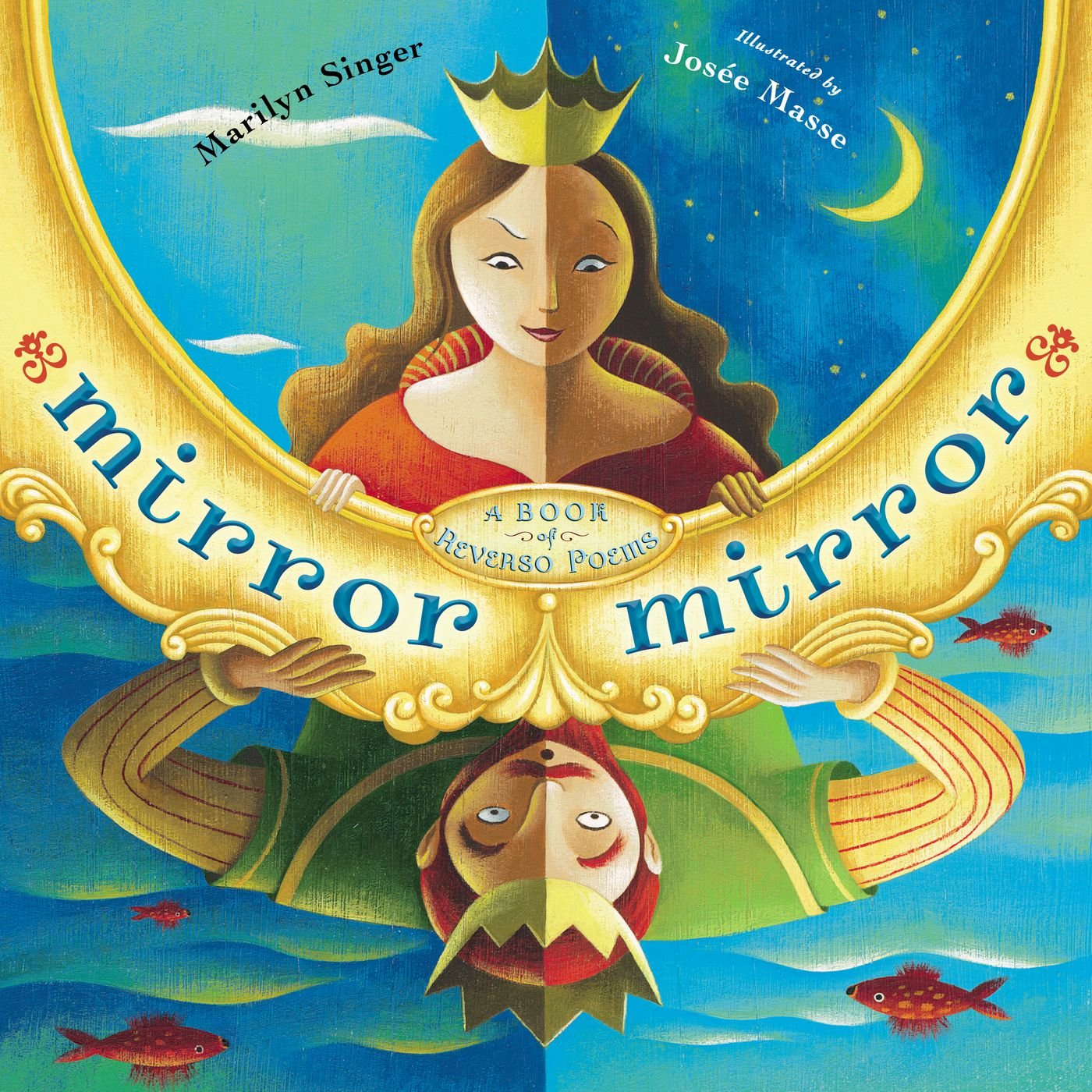
The name "Goldilocks" was first used in 1904 and made popular when the version by Flora Annie Steel and illustrated by Arthur Rackham appeared with the now-famous name in 1918. Gradually the three bears became a family and narrators became more sympathetic with the little girl. Sometimes she was punished, but the name of the tale is revealing, because it used to be called "The Three Bears" and is now known simply by "Goldilocks." To some, the little bear is the real protagonist. The change of sympathy from bears to little girl reminds me of the reversible verses from Marilyn Singer's excellent book "Mirror, Mirror" (Buy it now. No, seriously):

ASLEEP IN CUB'S BED,
BLONDE
STARTLED BY
BEARS,
the headline read.
Next day
Goldilocks claimed,
"They shouldn't have left
the door
unlocked."
She ate the porridge.
She
broke
a chair.
"Big deal?
No!
They weren't there."

They weren't there.
No
big deal?
A chair
broke.
She
ate the porridge.
She
unlocked
the door.
"They shouldn't have left,"
Goldilocks claimed.
Next day
the headline read:
BEARS STARTLED
BY BLONDE
ASLEEP IN CUB'S BED.

Heiner mentions a related tale from 1894 in which the trespasser is a fox or vixen-the term "vixen" could help explain the transition from fox to a woman.

Illustrations-Anne Anderson, Arthur Rackham, Jose Masse

Friday, September 26, 2014

Fairy Tale Cartoons


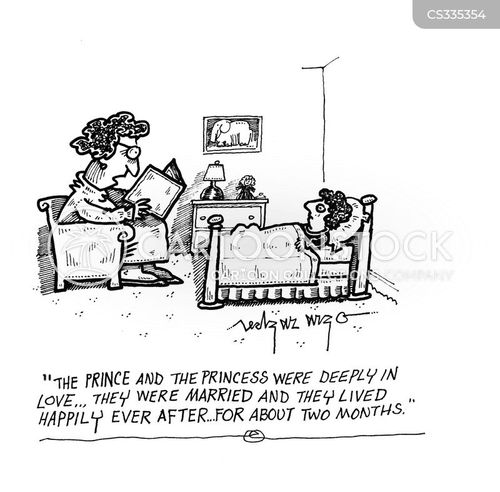
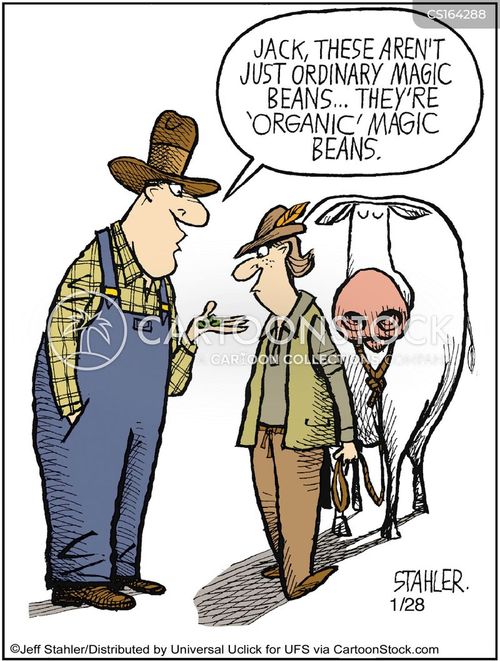
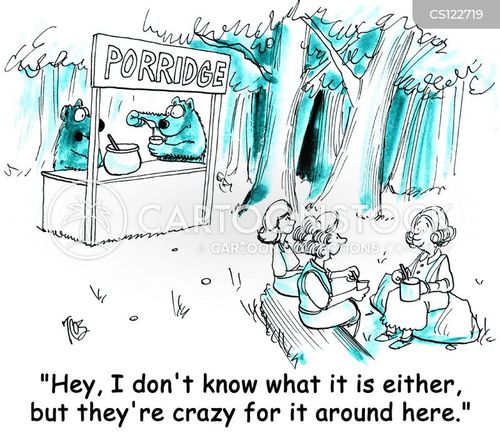
Via cartoonstock.com, which has 1,282 cartoons with the tag "fairy tale" if you're looking for something light-hearted.

Also, if you like fairy-tale themed cartoons, I've posted some from Far Side and Calvin and Hobbes in years past

Wednesday, July 2, 2014

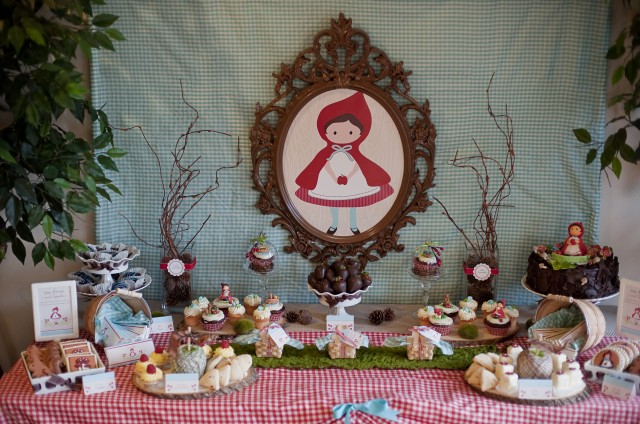
Fairy Tale Baby Shower Ideas

My family is absolutely thrilled that my sister is expecting her first baby! I've been in planning mode for the shower happening later this month. She has requested a book theme, but some of our searching for ideas led us to some absolutely gorgeous fairy tale baby showers. For anyone else who might be interested, it can be hard to dig through the plethora of internet suggestions like "make everything pink" and cartoony crown and castle favors, but there are some really clever, classic fairy tale ideas out there! Enjoy!


Little Red Riding Hood Theme at andersruff.com. The invitations read, "“What a little nose she’ll have.  What little ears she’ll have.  What little eyes she’ll have.  But what big hearts she’ll fill.”


This shower featured on A Little Cuppa Tea is insanely gorgeous, and extra sweet because the writer wanted to honor her sister's acting past by highlighting different fairy tale characters she had played. I can relate because both my sister and I were very into musical theater, and we were both in fairy tale plays (such as Into the Woods, as I recently mentioned)

Second to the desire for marriage, the desire to have children is the driving force in so many fairy tales, so it's such an appropriate theme for a baby shower (not because fairy tales are infantile...) I appreciate that many of the above showers either were for baby boys, or could be for either gender. 


Wednesday, September 12, 2012

Artist feature: Jessie Wilcox Smith

I've featured the fairy tale artwork of a few artists before, which I chose because they are among my favorite fairy tale illustrators: Edmund Dulac, Kay Nielsen, and Harry Clarke. This feature is a little unusual in that I have selected Jessie Wilcox Smith, who is one of my least favorite fairy tale authors.

Not to be excessively negative or judgemental, and I'll be the first to admit I couldn't illustrate a fairy tale well to save my life. Her illustrations are certainly very well done, but I dislike how they are aimed for such a young audience, in a way that dumbs down the stories, in my opinion. Most fairy tale heroes and heroines are children, but Smith's are barely out of infancy:

Hansel and Gretel
 
But what really bothers me is how she turns any animals, which would have had associations of danger and fear to the earlier tellers of fairy tales, and turns them (literally) into stuffed animals, such as in Goldilocks and the Three Bears, and Beauty and the Beast, below (yes, the stuffed monkey is the Beast)


 As I've said before, there's nothing wrong with creating versions of fairy tales that are aimed for a specific audience, even young children. What gets fairy tale lovers extra sensitive is the prevailing notion that fairy tales are insipid, insignificant stories with idealistic plots and meant only for young children. In all fairness, Smith was illustrating these stories at a time when the prevalent idea was that fairy tales were primarily suited for children's literature (early 20th century). And I'm not sure, from a brief internet search, which is all I have time for presently, how much control she had over the content of the versions of fairy tales she illustrated (again, those of you who do, feel free to let me know in the comments!) And I do like some of her pictures, like these for Cinderella and Goose Girl:

But, those of you who have seen The Shining, look at this illustration of Snow White and Rose Red and tell me this isn't what pops into your head: "Come play with us, Danny...for ever, and ever..."

Wednesday, January 25, 2012

Marina Warner on Hair


I read another tale, the Romanian "How the Waterfall Came to the Thirsting Mountain," that also celebrated and almost deified a long head of female hair. In this tale the Old Man of the Mountain begs a Fairy to bring him a waterfall for a mountain. The fairy travels the world and finds a Princess who was about to give her long, beautiful hair to a Wizard in return for her father. The Fairy told the Princess not to surrender her hair to the evil Wizard, but helps her to free her father (the Wizard is powerless when he sees the Tear-maiden that was born of the Princess' weeping, for none who saw the tear maiden could be anything but melted with compassion). In thanks, the Princess offered the fairy a token of thanks, and the Fairy requested her hair, for the Fairy had seen "how the Princess' beautiful hair waved and sparkled in the sunlight, and when the wind blew a single thread away, it...turned into a strand of glistening dew drops." With the whole head of hair, then, the Fairy was able to give a waterfall to the Mountain.

This reminded of the Swedish story I posted not too long ago in which a single strand of the heroine's blonde hair shines so brightly that it stops the evil magician from keeping young women as captives. I remembered Marina Warner in From the Beast to the Blond: On Fairy Tales and Their Tellers. She has two chapters on the language of hair, and traces examples from mythology, church tradition, medeival literature, and beyond in which long blonde hair is coveted as the sign of pure beauty. Blondeness has associations not only with light and goodness and purity, as seen in "The Magician's Cape," but also of wealth because of its similarity to gold.

Not only that, but hair is also very symbolic of the duality between human and animal. Hair is a similarity between ourselves and animal fur, but can also be an expression of human individuality. In Warner's words, "It is hair's imperviousness as a natural substance that yields the deeper symbolic meanings and warrants the high place hair plays in the motif repertory of fairy tales and other legends...it can be cut and curled, sizzled with hot tongs, steeped in chemicals and dyes without apparant suffering, and will go on growing, and is not even stopped by death...such quasi-magical properties make is a symbol of invulnerability."

If someone mentions the subject of hair and fairy tales, the most obvious association is Rapunzel, but hair factors into other fairy tales as well. Snow White is the only traditionally dark-haired princess because of a specific wish of her mother's; in this case the dark hair serves as a contrast to her white skin and therefore keeps in the tradition of fair/light representing that which is desirable. Allerlieurah from the Grimms covers herself with fur, or animal hair, to hide herself after her father attempted to violate her, and it is while brushing her hair in her natural state that she is discovered by the prince. Then there's Goldilocks, and Warner reminds us that in the history of the story, the main character's transformation from old meddling woman to adorable, sympathetic child was simultaneous with her hair's progression to blonde-Goldilocks has to be good, Warner claims, to live up to her blonde hair.

Illustrators have assumed that fairy tale princesses with no given hair color are blonde throughout history as well. Cinderella especially is blonde except for a few very rare exceptions. Though some modern interpreters are starting to challenge the blonde stereotype, such as Disney's Belle, "their attempts lever feebly against the long weight of the tradition."
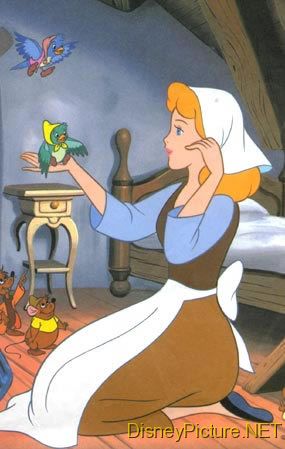
Rapunzel-Arthur Rackham; Goldilocks-Jessie Wilcox Smith; Furball-Margaret Evans Price; Disney's Cinderella

Friday, January 7, 2011

Before Goldilocks was Goldilocks

I started subscribing to Faerie magazine not too long ago. The latest issue has an article on the history of Goldilocks and the Three Bears, which is an extension of the information that can be found on surlalune. Goldilocks is a fairy tale I probably wouldn't have researched on my own, so I was glad to see it in the magazine and learn a little about its history.

The earliest known manuscript of this tale was a little illustrated book done in 1831 by Eleanor Mure made for her nephew's birthday. The story was referenced in 1813 as well so we know it's been around since before then.

The older tales we know of centered around the bears themselves, and the intruder was actually an old woman. The bears are the protagonists and the intruder the antagonist (reasonably so, when you think about it). Robert Southey's 1837 version of the story (which for years was thought to be an original invention, before the Mure version was discovered) includes all male bears, whose voices were represented by different fonts. Note to the music teachers of the world: you can use this fairy tale as a lesson plan with kindergarteners by having them learn about high and low sounds, and associating high with small and low with large.

Mure's tale has the bears attempting in vain to murder the old woman-their inability to do so probably because she was a witch.

The switch from evil old woman to adorable little girl was began with Joseph Cundall in 1850, who, when explaining why he made the change, wrote that the tale was better known as SILVER-HAIR (although the illustrations to his tale show a little brunette), and that there were plenty of stories with old women (although, I would assume there were also already plenty of tales with little girls).
The name "Goldilocks" was first used in 1904 and made popular when the version by Flora Annie Steel and illustrated by Arthur Rackham appeared with the now-famous name in 1918. Gradually the three bears became a family and narrators became more sympathetic with the little girl. Sometimes she was punished, but the name of the tale is revealing, because it used to be called "The Three Bears" and is now known simply by "Goldilocks." To some, the little bear is the real protagonist. The change of sympathy from bears to little girl reminds me of the reversible verses from Marilyn Singer's excellent, excellent "Mirror, Mirror" (Buy it now. No, seriously):

ASLEEP IN CUB'S BED,
BLONDE
STARTLED BY
BEARS,
the headline read.
Next day
Goldilocks claimed,
"They shouldn't have left
the door
unlocked."
She ate the porridge.
She
broke
a chair.
"Big deal?
No!
They weren't there."

They weren't there.
No
big deal?
A chair
broke.
She
ate the porridge.
She
unlocked
the door.
"They shouldn't have left,"
Goldilocks claimed.
Next day
the headline read:
BEARS STARTLED
BY BLONDE
ASLEEP IN CUB'S BED.

Heiner mentions a related tale from 1894 in which the trespasser is a fox or vixen-the term "vixen" could have explained the transition from fox to a woman.

Illustrations: Anne Anderson, Arthur Rackham