Showing posts with label Middle Eastern folklore. Show all posts

Wednesday, October 7, 2015

The Pumpkin Child: A Persian Folktale

I saw this story referenced on Multicolored Diary and it piqued my interest. What better time of year to be telling pumpkin-themed stories?

The Pumpkin Child is an old Persian folktale, and I really like it. It's sort of like a cross between Cinderella, Ugly Duckling, and a gender-bent Beauty and the Beast. There is humor, as the storyteller describes the pumpkin rolling and bumping around, but also we feel sympathy for the Pumpkin Girl, and a big theme of the story is how she copes with being different and made fun of (her mother tells her as she leaves for school, "Ignore anyone who makes fun of you!")
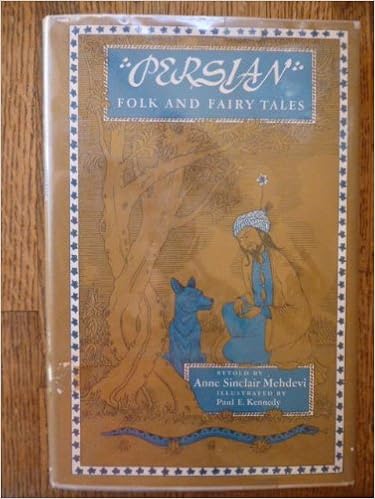
Like Cinderella, the Pumpkin Girl must be identified by an object that fits only her-a ring. Only in this tale, it's not a commentary on tiny size being ideal, but simply the fact that the Pumpkin Girl is unique. Some girls tried to starve themselves to get their fingers the right size, but others tried to fatten themselves up.

Murad, the rich merchant's son, has an advantage in that he saw a beautiful girl come out of the pumpkin and reenter, so he knows there's a secret this Pumpkin Girl has. Yet, he is not entirely selfish. His bride does not transform right after the wedding. In fact, he suffered some of the same mockery of the villagers once he declared his intentions to wed a pumpkin. After the wedding, he "took his pumpkin bride far away where he cared for her and never allowed anyone to laugh at her." I love this idea that, yes it's love that set her free, but not a one time love showed just by a proposal-he showed steadfast love over time and it was that love that set her free.
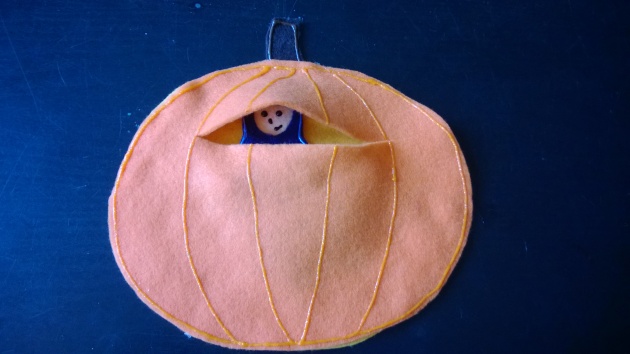
Image from here- to accompany the folktale "The Singing Pumpkin"

Read the whole tale here! This website also includes a family activity to go with the stories, this one is making pumpkin chips!

Friday, September 28, 2012

Women's Wiles: A Syrian Tale

This story is found in the book Fearless Girls, Wise Women, and Beloved Sisters, edited by Kathleen Ragan (I featured some of Jane Yolen's preface recently). And yes, I think my fellow women especially will enjoy this tale-

There was a rich merchant who had a sign in his store that read, "Men's Wits Beat Women's Wiles." One day the blacksmith's daughter passed by and saw the sign, and it made her angry. She developed a plan to teach the blacksmith a lesson.

The next day she went into the shop, and burst into tears. The merchant pursuaded her to tell him what was wrong. She pretended that she was the daughter of the quadi, or judge, and that whenever a suitor came to ask for her hand in marriage, her father would tell the suitor his daughter was lame, had crossed eyes, and crippled, and they no longer wanted to marry her. The merchant was so moved by her beauty and by her story he determined to ask for her hand in marriage himself.

The merchant went to the quadi and asked for his daughter. The quadi insisted she was cross-eyed, lame, and crippled, but the merchant said "I shall not complain." He paid the bride money and preparations were made for the wedding.

One day a large basket was delivered from the qadi's house, which the merchant assumed would be his bride's linen, but when he opened it, he discovered a squint-eyed cripple, just as had been described to him, and not the woman who had come into his store.

The next day the blacksmith's daughter came into the store again, and the merchant demanded to know what he had done to deserve such trickery. The girl pointed to the sign and said, "Whose wits, do you think, are sharper now?...If you want me to help you out of this calamity, all you need to do is change your sign."

The merchant replaced his sign with another that said, "Women's Wiles Beat Men's Wits." The blacksmith's daughter advised him to have a wedding party, invite the gypsies, and pay them to call him cousin. As the qadi would not want to be related to gypsies by marriage, he would call off the wedding. All happened exactly as the blacksmith's daughter said, and the wedding was called off.

The next morning the merchant went to the blacksmith first thing to ask for his daughter's hand in marriage, but he made sure to go home with him for coffee, to make sure he was not tricked again. They were married with much rejoicing, "and the bride and groom lived in happiness as pure as gold of twenty-four carats."