Showing posts with label fashion. Show all posts

Tuesday, January 17, 2017

Fairy Tale Fashion: The Snow Queen

One more post from Colleen Hill's Fairy Tale Fashion!
In her essay on Andersen's "The Snow Queen," Hill informs us that the fairy tale was initially conceived as a short, ballad-style poem about a young woman and her lover, a poor boy who was abducted by the Snow Queen. The Snow Queen was then more of a sexual predator. The story evolved into the tale we know today, of two children separated when the boy, Kay, gets a piece of an evil mirror lodged in his eye that turns him into a cruel boy who mocks the things he used to love and follows the Snow Queen to her ice palace.

The tale uses opposing imagery-the natural, warm beauty of the rose verses the stark symmetry of mirrors and ice/snowflakes. The mirror in this tale is unusual in that, while mirrors usually tell the truth (such as the mirror in "Snow White" that is bold enough to bluntly tell the Queen when there is someone more beautiful than she), this mirror is deceptive-it distorts reality, causing beautiful things to seem ugly. (In fact, I sometimes thought of this mirror when I was in my first trimester-when foods I usually loved became disgusting to me and activities I enjoyed lost interest for me because of the constant nausea-I felt like I could relate to Kay).

Mirrors usually represent vanity in stories. The theme of vanity is also developed in "Snow Queen" by the reference to Gerda's red shoes. When she goes to search for Kay, she intentionally puts on her new red shoes that Kay has never seen before, but when she goes to the river she is willing to sacrifice her prized possessions to gain information about his whereabouts (but the shoes are returned to her because the river does not know where he is). Interestingly, this tale was written just four months before Anderson wrote the infamous tale "Red Shoes" in which the desire for the colored footwear is completely and repeatedly seen as selfish.
From the "Snow Queen" section of the Fairy Tale Fashion exhibit at the Fashion Institute of Technology. Far left; white fur cape by J. Mendel, second to the left; not in the book, second to the right; Alexander McQueen Fall 2008 dress inspired by snowflakes, far right; Tom Ford Spring 2014 dress that imitates shards of a broken mirror

Hill interprets the red shoes as objects of pride, even for Gerda-saying that by wearing them she was initially hoping to impress Kay, but the difference between Gerda and Karen from "Red Shoes" was that Gerda was willing to give up her shoes. This may be, especially given Anderson's feelings about red sheos, but I didn't necessarily read it that way in "Snow Queen." It's natural for a child to be excited to show her friend a new toy or possession, without necessarily trying to impress or show off to your friend. If Gerda had taken a beautiful red rose and tucked it behind her ear with the intention of showing Kay, would that be interpreted as vanity? The rose would still be beautiful and displayed on Gerda, but fairy tale characters who request roses rather than clothes and jewelry are held up as the example of being non-materialistic, like Beauty in "Beauty and the Beast." Yet roses are a symbol of her friendship with Kay-when staying with the old woman, it was seeing an image of a rose that reminded Gerda of her quest to find Kay. Could the wearing of the red shoes even have been Gerda's attempt to remind Kay of their beloved roses, since a real rose wouldn't survive a long journey? The colorful roses of Kay and Gerda's childhood playdates are a stark contrast to the colorless white of the Snow Queen's palace.

Red Morocco leather shoes, from 1800-1810

Although, it was more of a natural assumption at the time to associate red shoes with luxury, since red dye was more difficult to produce, and therefore more expensive, so red was a color only the wealthier could afford. But it seems that illustrators to tend to intentionally bring out the contrast in warm colors associated with Gerda, her friendship with Kay, and her journey to find him, as opposed to the cold realm of the Snow Queen. See Arthur Rackham's illustration of Kay and Gerda in their garden, and Edmund Dulac's image of Gerda at the old woman's house:
Compared with the Snow Queen/her palace by the same illustrators:
Although, I may be too quick to defend the wearing of red, just based on our own modern culture, where bright colors are just as easily accessed as neutrals. If anything, we tend to associate good things with characters who wear bright colors, aligning them with bright, joyful personalities. What do you see as the significance of Gerda's red shoes?

Thursday, July 14, 2016

Fairy Tale Fashion: The Little Mermaid


At first I thought "Little Mermaid" was an ironic choice for a fashion book, since usually a mermaid's distinctive look involves no clothes other than possibly modesty seashells. But not only has the mermaid been an inspiration for formal wear for almost a century, Colleen Hill also has some interesting insights into the tale itself.
Charles James, La Sirene

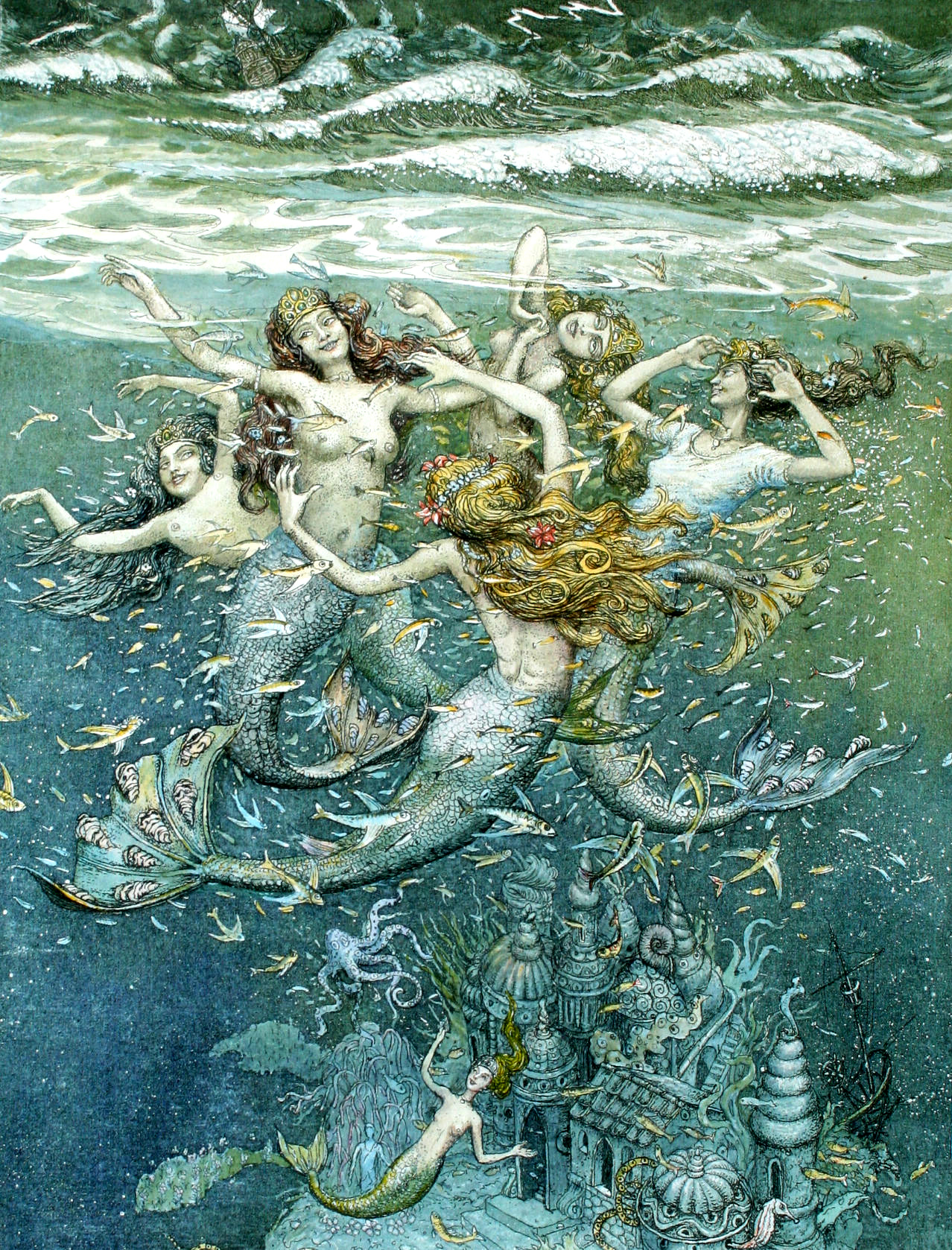
Andersen's tale is somewhat tragic, as it depicts a young mermaid who gives up her home and family, loses her tongue, and must endure pain every time she walks on her new legs, all for a Prince who never even returns her love. Although it's almost better for it to end the way it does-if the Mermaid got the Prince, the message would read more along the lines of "girls, you must give up all of your own hopes and dreams for the sake of a guy, and it will all be worth it" (of course, as Hill points out, the mermaid is also motivated to get an eternal soul and not just a Prince, so in that aspect it's actually a happy story. This fact often gets overlooked when people analyze the tale).

But Hill points out a detail that I, at least, had completely forgotten-even when a mermaid, the heroine must endure physical pain. Her grandmother fixes eight oysters onto the princess' tail, and the Little Mermaid protests because they hurt, but her grandmother insists that she wear them to show her high rank. This really changes the meaning of the story-it's not about choosing to endure pain, but which pain.
Boris Diodorov

I think this can be read on a couple levels. It could represent, more generally, the pain of growing up, and the fact that any relationship or new stage in life is going to require some sacrifice. It could also be Andersen's critique of expectations for beauty. This may have been more true in an age of corsets, but even now formal events often require less than comfortable heels (although this doesn't just apply to women-I always feel sorry for men stuck in suits and jackets in the summer, and I'm sure their dress shoes aren't the most comfortable thing either). What do you think Andersen is saying through this story?

Despite the pain associated with this most famous mermaid, the image has been an inspiration for designers and women for years.  A mermaid silhouette dress is still a popular choice for formalwear; it hugs the curves of the body until it flares out at the knees. Depending on the dress I would assume some would be quite difficult to walk in, if it was tight around the thighs, which could remind us of Andersen's Little Mermaid, struggling to take steps in her strange new body...
Thierry Mugler, 1988, "The Little Mermaid"

Tuesday, June 14, 2016

Fairy Tale Fashion: Swan Maidens

One of the things I love about my new obsession, the book Fairy Tale Fashion by Colleen Hill, is that not only does she discuss some of the obvious fairy tales with fashion connections (Cinderella, Little Red Riding Hood), but some lesser knowns, especially ones that I wouldn't have necessarily thought of in terms of clothing being significant. She has sections on Diamonds and Toads, Snow Queen, and Swan Maidens.

There are countless variations of Swan Maiden tales (and some other related mermaid tales)-stories about an enchanted maiden who takes off her swan feathers and becomes human, only to have a man steal that feather dress and take her as his wife. After years go by, one of her children eventually finds the feather dress, and their mother takes it and returns to her swan form and leaves. Different tales have various endings at this point-sometimes she just never comes back, other times her husband searches for her and gets her back.

Obviously, the dress of feathers is a central part of this fairy tale. It has the power to change her form, which in turn influences where she lives and with whom.
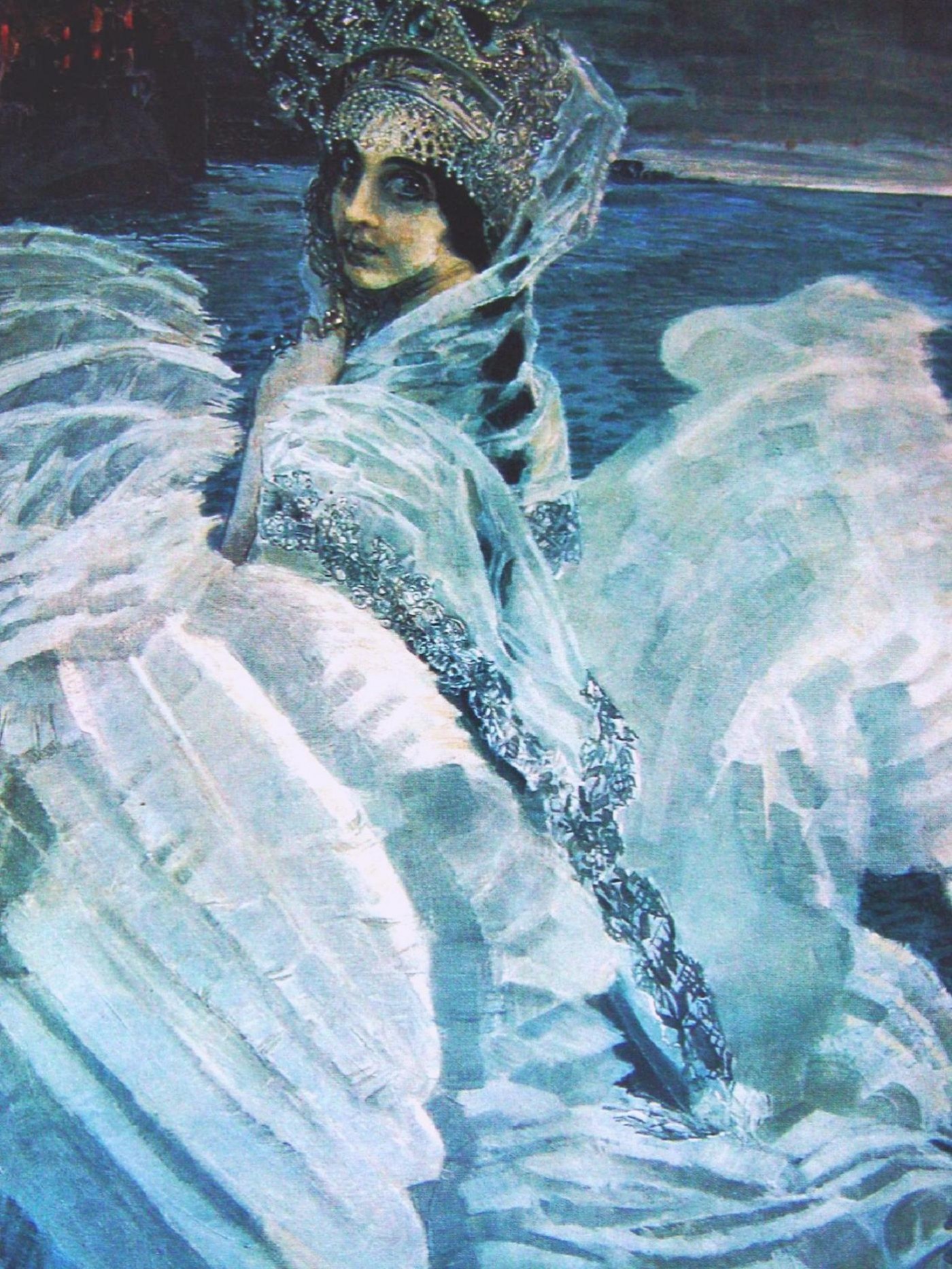
Mikhail Vrubel, The Swan Princess, 1900

Some tales tell not of enchanted female swans, but males, whose sisters must undergo trials to bring them back to their original form. One thing I never noticed before was how, in the most commonly known versions of these stories, they all seem to emphasize the burden of making clothes.

In both the Grimms' "Six Swans" and Andersen's similar "Wild Swans," the sister must fulfill two things in order to bring her brothers back: maintain silence, and make them each enchanted shirts. In "Six Swans," the process is a little more idealized; she must make them out of the fictional starflowers, but she spends six years laboring over those shirts for her six brothers. Interestingly, the curse was achieved when their stepmother threw enchanted white shirts over each of them. I this case, clothing was the key to both cursing and restoring their rightful human forms.
"The Wild Swans", Gordon Robinson

In "Wild Swans," the process is described even more painfully, for Elisa must make her brothers' shirts from fabric made from stinging nettles. The painful nettles give her hands blisters.

Interestingly, Joseph Jacobs' "Swan Maidens", although it belongs to the first tale type mentioned, hints at this burden of clothes making as well. After the swan wife has resumed her form, her husband seeks her out, and is told he can only get her back if he can identify his wife from among a group of identical sisters. He touches each of their hands, and knows his wife by the indentation of a needle on her forefinger, caused by making clothes for their children. The very act of clothing a family leaves its mark on a woman.

Jacobs' tale is a little more ambiguous. Given that his wife immediately returned to the sea upon finding her swan feathers, one wonders if returning to her human life is really a happy ending for her. Her husband stole her feathers, and also used trickery to steal enchanted objects in order to find her again, so he isn't exactly a flawless character. As Hill points out, the fact that the swan maiden is willing to leave her children "may be unfathomable to many readers," but for all we know she could have had children in her former life too-in some related tales it's her former lover that she wants to return to. Her husband apparently gives no thought to her past, and clearly not to her wishes on the matter.

These tales, while bittersweet, are really powerful tales with modern feminist messages: women are more than just means to produce children and clothing for their husbands. They often have their own hopes and dreams and longings. The life of a wife and mother, whether it's wanted or unwanted, is quite painful-from bearing children, to all the tasks involved with raising the family.
Anna and Elena Balbusso

When I imagine what it might have been like to live as a woman in pre-industrial society, I often think of the cooking and cleaning, which can be a burden even now, and even more so before modern conveniences. But I rarely even think of how difficult the task of making clothing would have been. Women would often have done the whole process themselves-from making the fabric, to sewing the clothes together. Tales that address spinning really all serve to point out how unwanted the chore was, and these swan tales make us sympathize with the time and discomfort it took to make the clothes.

And although modern machines have certainly made the process of making clothes easier, it's still by no means a simple, instantaneous process. The process of growing and spinning and sewing and embellishing are simply more hidden from us today, yet even the clothes we buy and wear were often made at the cost of other people's comforts and even basic human rights. I've been learning and reading more about the fast fashion industry and the fact that, despite getting some publicity, most of our clothes still end up being made in sweatshops. I can recommend some resources if anyone else is interested in learning more about that (this documentary is currently on Netflix), but maybe these swan tales can help us think a little more about who makes our clothes, and sympathize a little more with the hours of work it takes.

Friday, June 10, 2016

Angela Barrett on her Fairy Tale Illustrations

"I was most inspired by pity for the beast’s awful loneliness and self-disgust. His tragedy is to know all about beauty and how to create it in everything around him, but to miss it in himself." — Angela Barrett, on illustrating Max Eilenberg’s ‘Beauty and the Beast’

Quote found on Meagan Kearney's Beauty and the Beast site. Angela Barrett's illustrations have long been some of my absolute favorite for BATB, inlcuding the Tales of Faerie header image

Retold by Max Eilenberg, it is set, at Barrett's request, in the 1860s - "the period when there was the greatest difference between the male and the female silhouette - men were tall and thin while women's skirts were wider than ever".

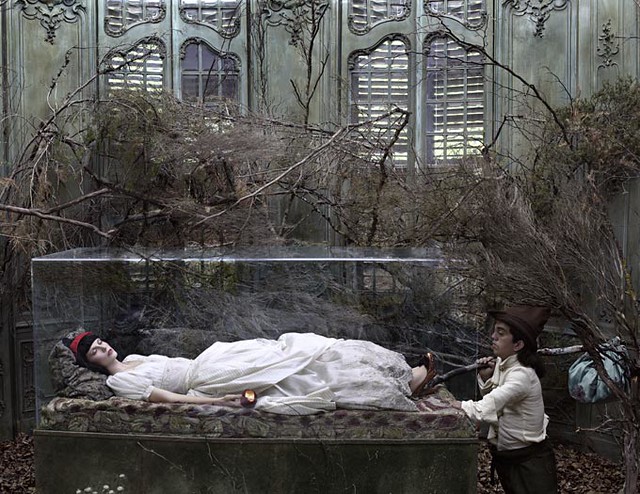
Barrett on Snow White:
"I always feel that my happy endings are somehow inadequate. I'm wary of perfect conclusions. I'm always disappointed by the way Jane Austen ties things up so easily at the end ... The truth is, I'm more easily moved by distress. I'm no good at jolly scenes of dancing and merriment - laughter can be so sinister."


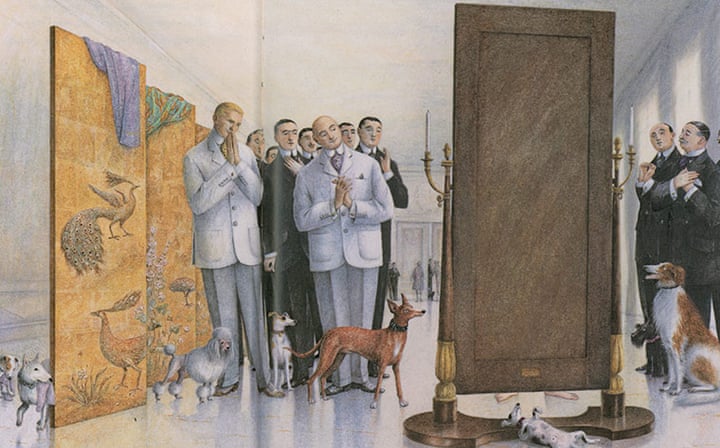
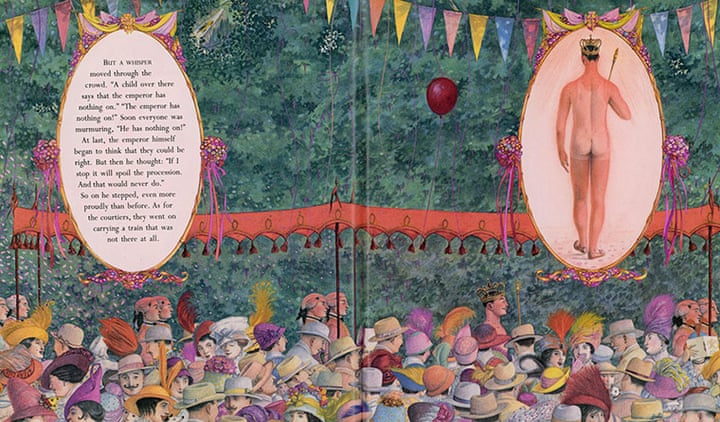
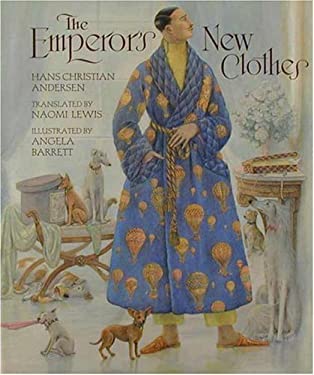
"Naomi Lewis's retelling of The Emperor's New Clothes (Walker Books, 2000) gave Barrett a longed-for opportunity to show some very different talents. It's set in 1913, at the end of the belle epoque, in an imaginary kingdom. The drawing is glorious and only an artist with Barrett's knowledge of fashion, and her hands-on experience of dress-making, could give this story such elegant, wickedly funny authenticity. And because "it's such a one-joke story", she has introduced a host of royal dogs, including a pompadoured poodle (himself half-naked) who blushes with embarrassment at the sight of the emperor's pink bottom."

-All other quotes from This Interview on the Guardian

Sunday, June 5, 2016

Fairy Tale Fashion: Snow White

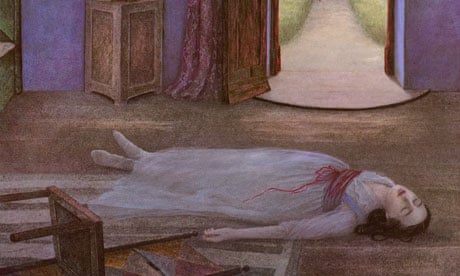
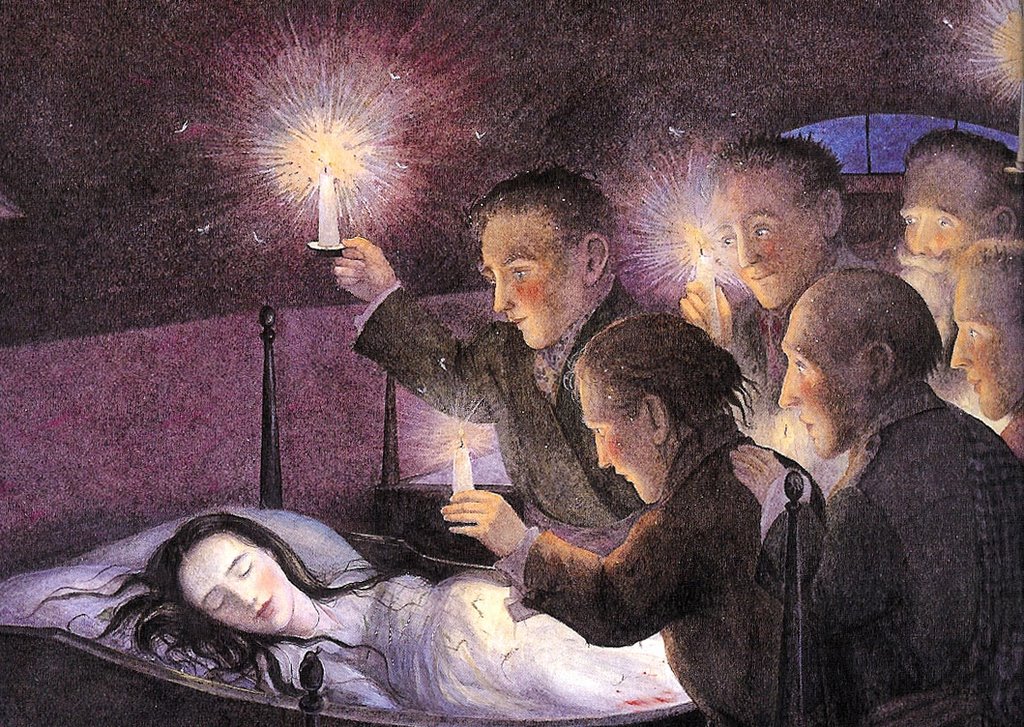
Snow White is one of the most well known fairy tales, and because it's such a definitive story in the genre, it's easy to forget that it's a tale that actually breaks some typical fairy tale stereotypes, especially when it comes to physical appearance and beauty.

In the world of fairy tales, beauty and goodness are almost always synonymous-physical beauty is usually representative of inner character. The witch is intriguing because she is evil and yet beautiful. She is not only murderous, but cannibalistic, wanting to eat Snow White's heart and liver (perhaps to somehow absorb her youth and beauty through the act).

Snow White herself stands out because of her black hair. When a beautiful fairy tale heroine's hair is described, it is almost always blonde-and not just "blonde" but "golden," so we are reminded of more than fair hair, but also of wealth and royal status. Thus "Snow White embodies a peculiar dichotomy; whereas her stepmother is bad but beautiful, Snow White is good, but raven-haired." So the characters' very appearances, which are integral to the plot, stand out against other fairy tales. (EDIT: Julia Mavroidi mentioned in the comments that Snow White's hair was not always black-in fact, in the first edition of the Grimms, it was her eyes that were ebony!)
A.H. Watson

The apple is the most iconic image of Snow White, but the apple only comes after two other temptations-stay laces and a poisoned comb. Other people have analyzed these objects as representing Snow White's vanity, an observation that chillingly likens her to the witch. And while there are other reasons to suppose that Snow White is potentially in danger of placing too much value on her own beauty, maybe that assessment of the temptation objects is a little unfair.

First of all, in my opinion, we have to remember that the disguised witch offered the goods to Snow White. There's a difference between seeking things out and accepting what is offered-she is not like the sisters in Beauty and the Beast who seek out dresses and jewels.
Dolce and Gabbana Fall 2014
Fairy tale inspired line

But Colleen Hill also reminds us that Snow White was a princess. She was used to having a vast wardrobe of the latest fashions, and also probably someone to dress her. Even though the story doesn't indicate she is discontent with her new life with the dwarfs, it's safe to assume she might miss some of her old pleasures from the castle. In fact, the witch begins by a not-so-subtle insult; "Oh, my child, what a sight you are. Come, let me lace you up properly." In addition to that immediate pressure to improve on her looks, Hill says, corsetry "had other connotations as well, such as beauty, social rank, and morality." We know that Snow White values neatness and cleanliness in her new duties as housekeeper for the dwarfs, so it's natural that the desire to have a tidy home would also extend to a desire for a well kept appearance.

Probably the thing that most hints towards Snow White's vanity is the fact that the apple is described as being appealing to look at-"white with red cheeks"-just like Snow White. Yet those who condemn Snow White for desiring a pretty apple don't condemn the Prince for desiring Snow White for that same feature (while dead/in a coma)-although in the Grimms' version he really should be.
Eugene Recuenco

Hill also points out how much pressure was put on royal females to appear beautiful. Queens would be sharply critiqued for perceived flaws in appearance, yet paradoxically also condemned for being too vain. You could say that the Queen witch was really a product of her culture, just as young Snow White's desires for pretty things came not only naturally but through passed down values. In fact, this pressure contributed towards historical figures who were more or less real life evil Queens-Catherine de Medici supposedly tried to eliminate Louis de Conde with a poisoned apple, and St. Ludmila (the grandmother of King Wenceslaus) was strangled with a veil by her mother in law.

The pressure to look beautiful is not an archaic relic from a misogynist past, but alive and well today, as women are continually pressured by media to find value in their looks, and told that men will only love them if they adhere to certain standards. Which is why Snow White is still such a powerful tale, and just as it indicates that the desire for beauty is passed down through generations, so it is hundreds of years later...

Sunday, May 29, 2016

Colleen Hill's Fairy Tale Fashion

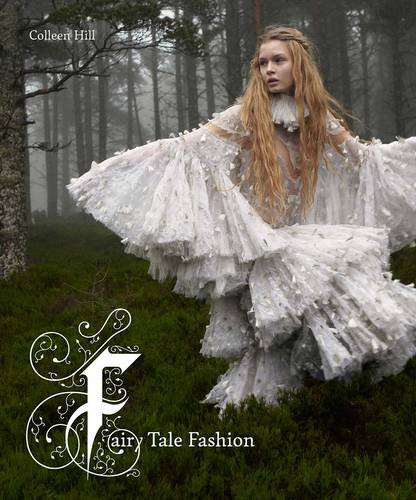
A little while back I shared some images from the Fashion Institute of Technology's Fairy Tale Fashion exhibit, and the accompanying book the curator put together. I immediately put it on my amazon wishlist, and lo and behold, once again the birthday fairies were very generous!
I am absolutely LOVING this book. Of course I also have an interest in fashion/the history of fashion, but even if you don't consider yourself a fan of runway shows and the high fashion world, it's really worth it just to look at the significance of clothing in fairy tales. It's such a significant factor in many tales, and as the author shares, it's really surprising that the connection hasn't been addressed more before. Clothing and attire shows fairy tale characters' identity, status/wealth, transformations, and also provide fairy tale authors with opportunities to satirize the culture around them. 
Images (and a review) from here

Most fairy tale books are written by folklorists, so it's nice to read from a different perspective-Colleen Hill comes from the fashion world. Her amount of research for the book is very thorough and impressive, there are maybe a couple things she missed here and there (for example, she says that we have no written description of the Beast's appearance, even though Villeneuve's version, which she references, does describe him), but overall her summaries of the fairy tales and discussion of their main themes are accurate and insightful.

I love all the images (and wish there were more! So many runway looks or historical styles she references but don't make it on the pages!), it's so fascinating to see how fashion ideals can influence the text of the fairy tales (especially Perrault), but also how fairy tales themselves have influenced fashion. For example, Leon Bakst's costumes for the Ballet Russes' Scheheazade ended up being highly influential in the twentieth century:
Ballet Russes' Scheherazade-1909

Also, I'm sure you've all heard someone at some point (or maybe yourself!) lament the phenomenon of people paying for intentionally distressed jeans. This could have connections to Giorgio di Sant'Angelo's 1971 collection, The Summer of Jane and Cinderella. The collection featured frayed and shredded clothes, with natural and simple makeup. Later, deconstructed clothes became a trend, which is still popular today. The next time you hear someone wondering why people want to look sloppy, it's worth considering that Cinderella in rags is an iconic image! Of course, the world of fashion is complex and there are many factors that influence current trends, so Hill isn't suggesting that Cinderella alone started the grunge phase of the 90s, but fairy tales have been influences on major designers for years, and fairy tale illustrators have contributed to our idea of the fairy tale aesthetic, which is often cited as an inspiration behind many modern runway collections.
Giorgio di Sant'Angelo's Cinderella inspired garments

I'll be sharing more insights and images from this book in the weeks to come! I highly recommend it!

Monday, May 16, 2016

Gala Nocturna

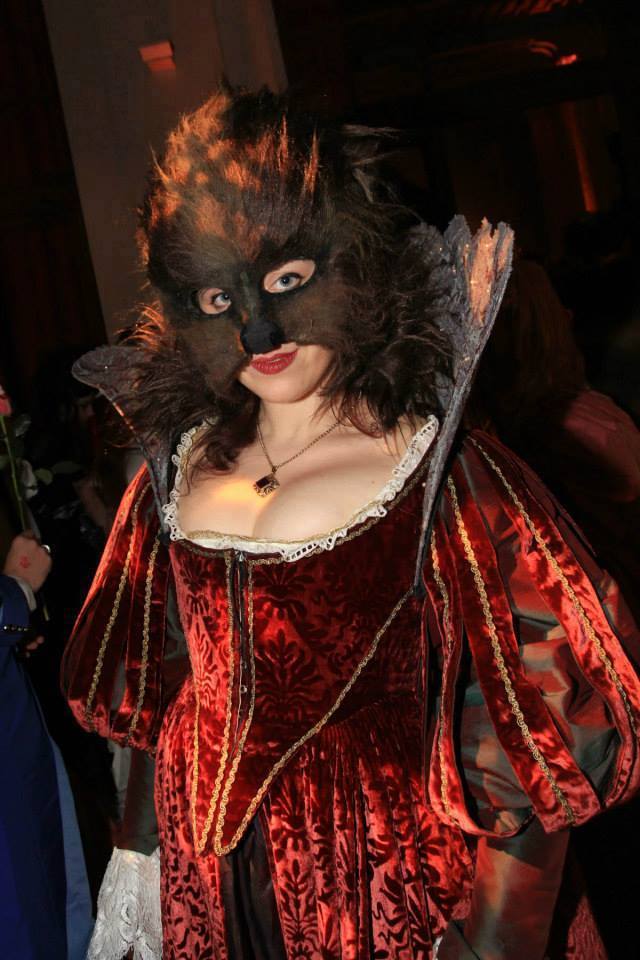
This came to my attention via Meagan Kearney's Beauty and the Beast tumblr, I saw images from Gala Nocturna's Belle et la Bete and was curious as to what it was!


Gala Nocturna is a "world famous dark romantic costume ball" held every year in Belgium. The pictures look absolutely amazing, it's clear the attendees take it very seriously and all dress in elaborate costume. Each year they have a theme, and 2014 was "La Belle et la Bete" (Beauty and the Beast).
The evening involves not just dress and dance, but the story is partially acted out. Here's a personal account of the Bella et la Bete Gala, to give you a better idea of what goes on.

Cela Yildiz played the Beast

openingdance
Opening dance between Beauty and the Beast

Gala Nocturna has a different theme each year; some non-fairy tale themed (2016 is "The Age of Redemption") but 2015 was "Swan Princess," inspired by Swan Lake:
gala-nocturna-203

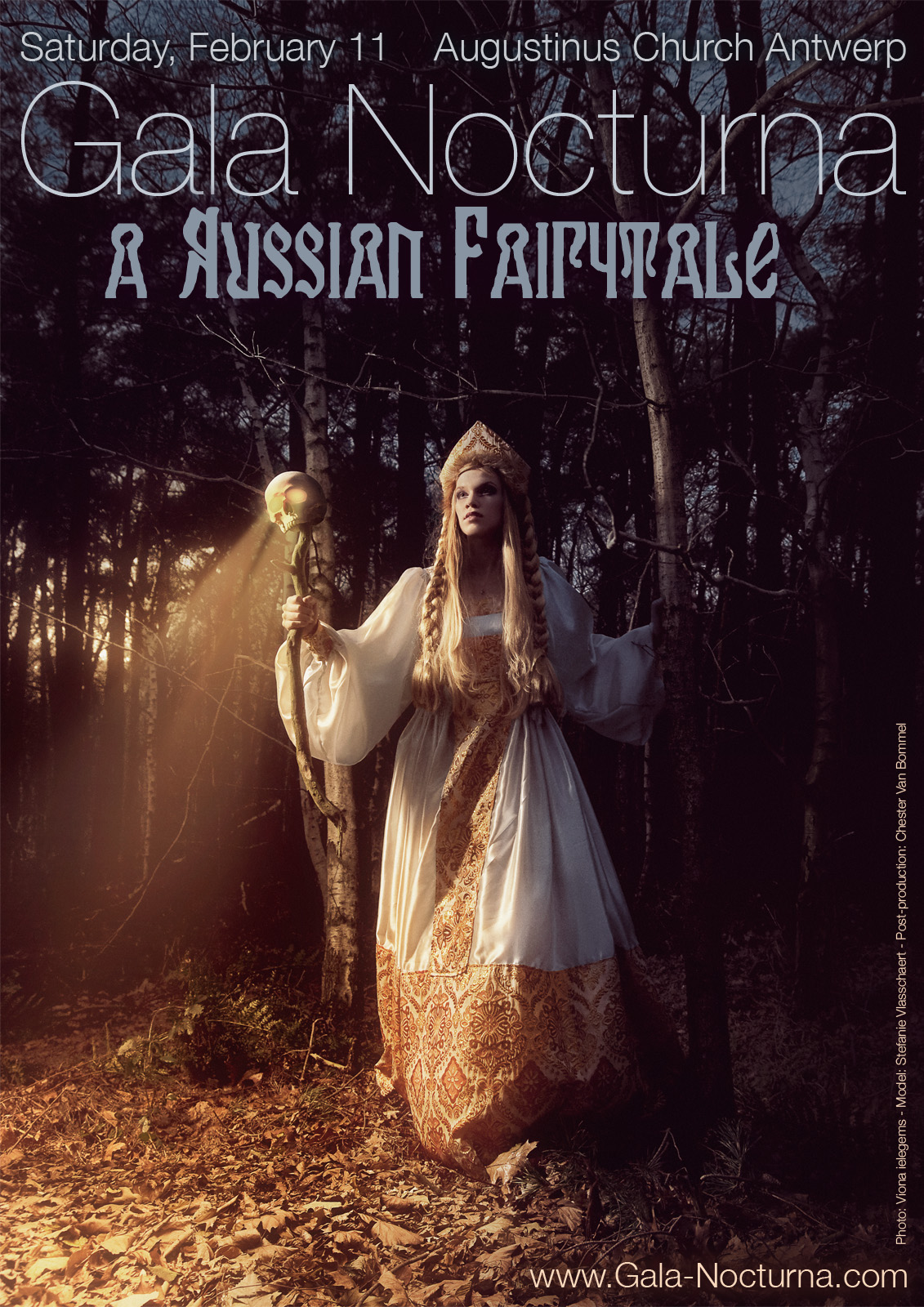
And 2012 was "Russian Fairytale"
Photography: Viona Ielegems

What an incredible way to experience immersing yourself in a theme and a story!

Wednesday, April 6, 2016

Fairy Tale Fashion at the Fashion Institute of Technology

Fairy Tale Fashion at MFIT / Kirsty Mitchell photograph
The Storyteller
I think I had seen snippets of this collection around the internet closer to when it opened, but so often a fashion collection that claims to have a fairy tale inspiration really just means "vaguely vintage inspired" and/or "flowy layered fabrics that we have come to associate with fairies" or possibly a token red cape with other Disney-inspired color schemes. So I was excited to read more about the direct influence of fairy tale illustrators and specific fairy tales in this exhibit at the Fashion Institute of Technology.

Fairy Tale Fashion at MFIT Charles James
Fairy Tale Fashion at MFIT 18th century capeFairy Tale Fashion at MFIT Alexander McQueen 2007Fairy Tale Fashion MFIT J.Mendel
Rapunzel, Swan Maiden, Snow Queen, Red Riding Hood

From the website:
"Fairy Tale Fashion is a unique and imaginative exhibition that examines fairy tales through the lens of high fashion. In versions of numerous fairy tales by authors such as Charles Perrault, the Brothers Grimm, and Hans Christian Andersen, it is evident that dress is often used to symbolize a character’s transformation, vanity, power, or privilege. The importance of Cinderella’s glass slippers is widely known, for example, yet these shoes represent only a fraction of the many references to clothing in fairy tales.

"Organized by associate curator Colleen Hill, Fairy Tale Fashion features more than 80 objects placed within dramatic, fantasy-like settings designed by architect Kim Ackert. Since fairy tales are not often set in a specific time period, Fairy Tale Fashion includes garments and accessories dating from the 18th century to the present. There is a particular emphasis on extraordinary 21st-century fashions by designers such as Thom Browne, Dolce and Gabbana, Tom Ford, Giles, Mary Katrantzou, Marchesa, Alexander McQueen, Rick Owens, Prada, Rodarte, and Walter Van Beirendonck, among others.

"The exhibition’s introductory space features artwork that has played a role in shaping perceptions of a “fairy tale” aesthetic. These include illustrations by renowned early 20th-century artists such as Edmund Dulac, Arthur Rackham, and A.H. Watson. Connections between fashion and storytelling are further emphasized by a small selection of clothing and accessories, including a clutch bag by Charlotte Olympia that resembles a leather-bound storybook."

Fairy Tale Fashion MFIT Thierry Mugler
The Little Mermaid

For those of you in New York, the exhibit is only open until April 16. However, good news for all of us-Yale University Press is releasing a book of the same title!

Book description (emphasis mine):


"Dress plays a crucial role in fairy tales, signaling the status, wealth, or vanity of particular characters, and symbolizing their transformation. Fairy tales often provide  little information beyond what is necessary to a plot, but clothing and accessories are frequently vividly described, enhancing the sense of wonder integral to the genre. Cinderella’s glass slipper is perhaps the most famous example, but it is one of many enchanted or emblematic pieces of dress that populate these tales.                                                                                                                                   
"This is the first book to examine the history, significance, and imagery of classic fairy tales through the lens of high fashion. A comprehensive introduction to the topic of fairy tales and dress is followed by a series of short essays on thirteen stories: “Cinderella,” “Little Red Riding Hood,” “The Fairies,” “Sleeping Beauty,” “Beauty and the Beast,” “Snow White,” “Rapunzel,” “Furrypelts,” “The Little Mermaid,” “The Snow Queen,” “The Swan Maidens,” Alice's Adventures in Wonderland, and The Wonderful Wizard of Oz. Generously illustrated, these stories are creatively and imaginatively linked to examples of clothing by Comme des Garc¸ons, Dolce and Gabbana, Charles James, and Alexander McQueen, among many others.
This sounds right up my alley, and is going on my wishlist!
(Psst-it's cheaper on Amazon)

UPDATE: For more fairy tale fashion in recent media, check out Lisa Jensen's post on the fairy tale looks just featured on Project Runway!