I'm thrilled that
Christophe Gans' Beauty and the Beast, starring Vincent Cassel and Lea Seydeux, is available on Netflix, since that's basically my only source of entertainment. I had really been looking forward to seeing this version of my favorite fairy tale.
To be fair, I wasn't able to sit down and enjoy the whole film in one go, or purely focus on it, but catch bits and pieces over a week and jot down notes in between. It's nice to see a retelling of the traditional French version, but with clear nods to Cocteau and Disney. But overall, I would say this film is
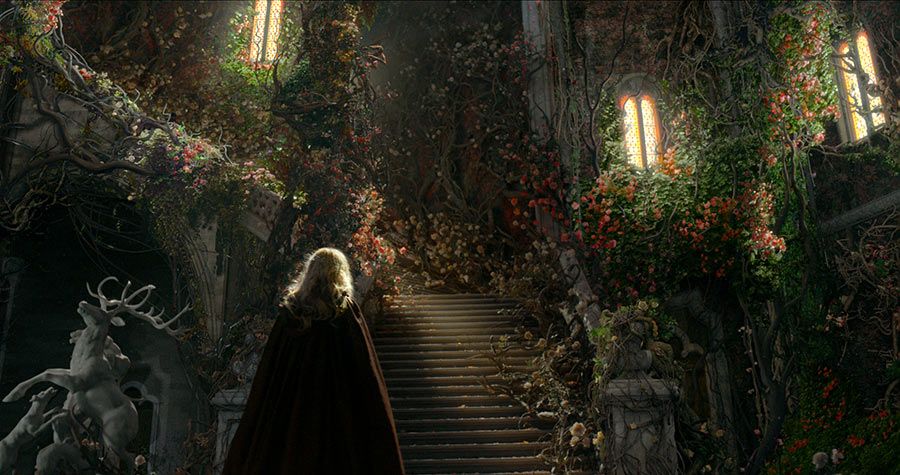
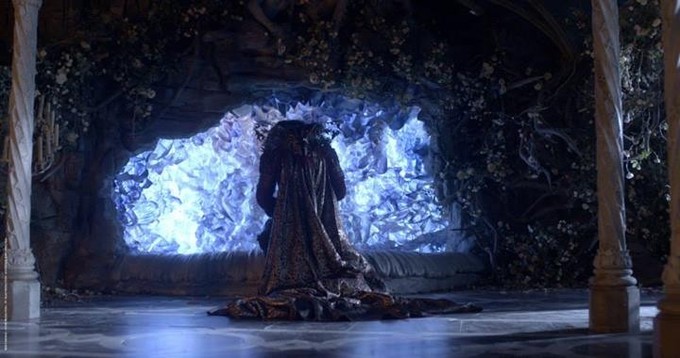
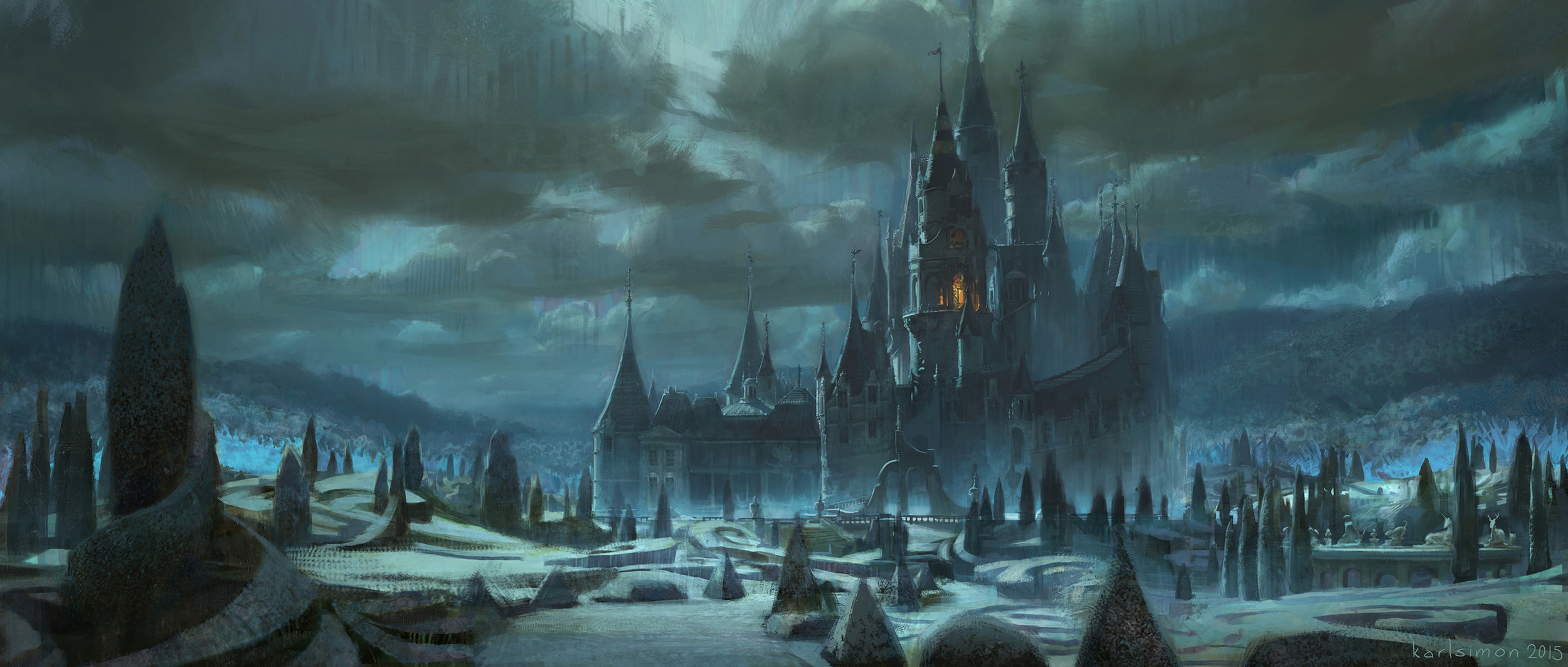
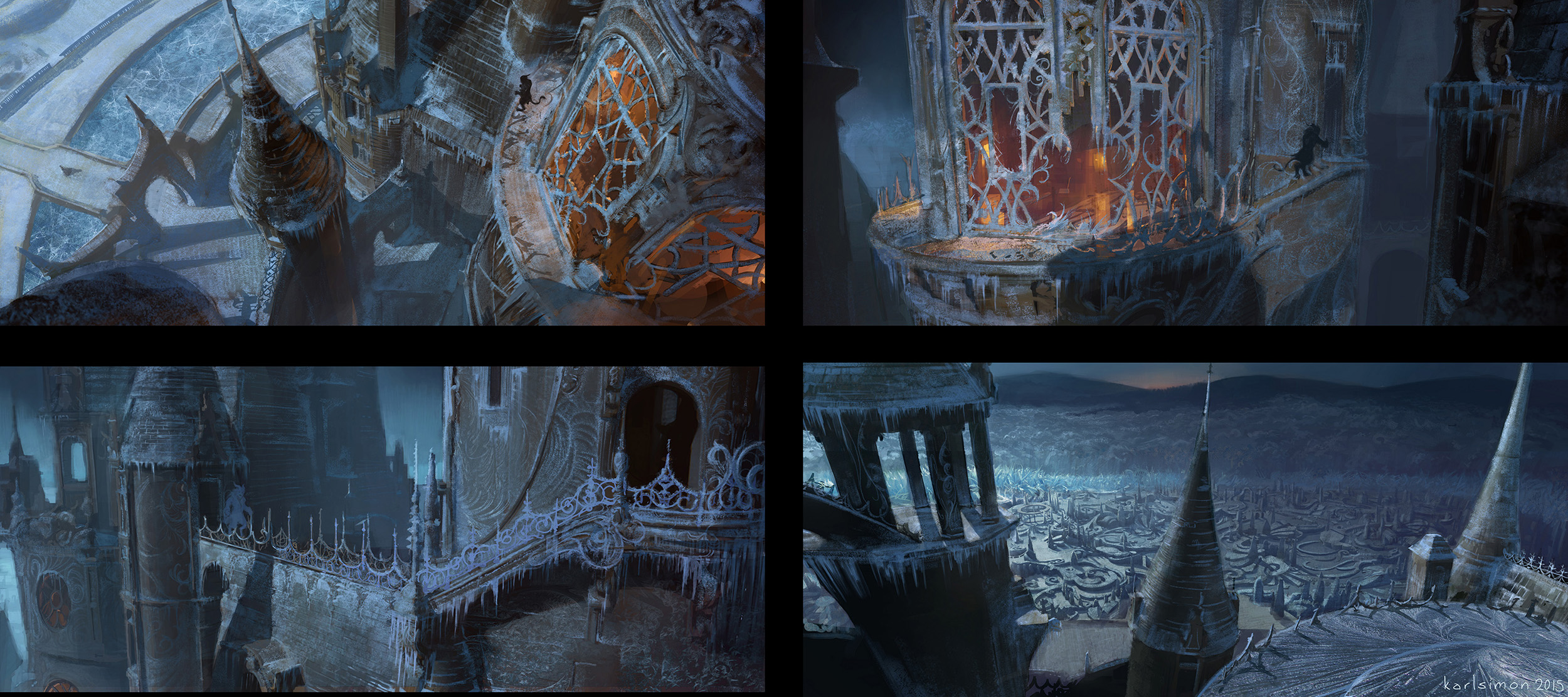
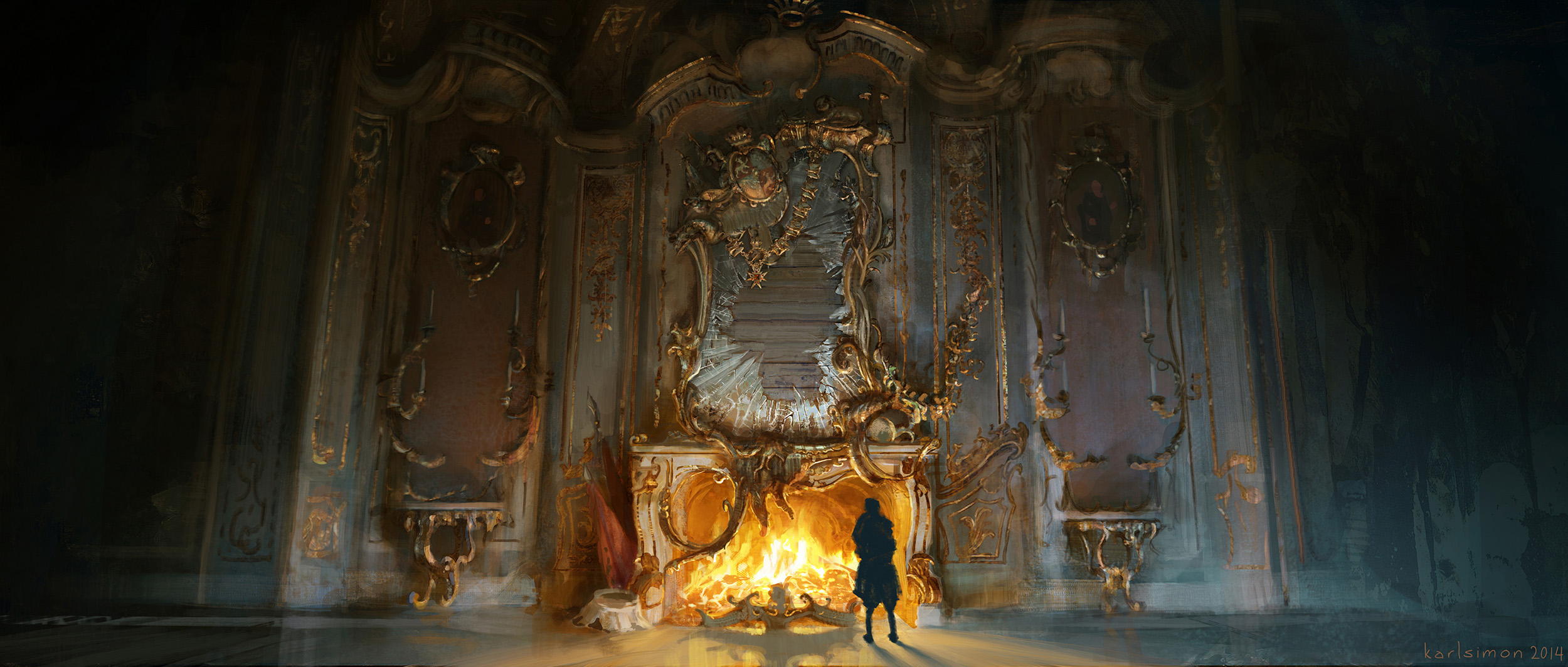
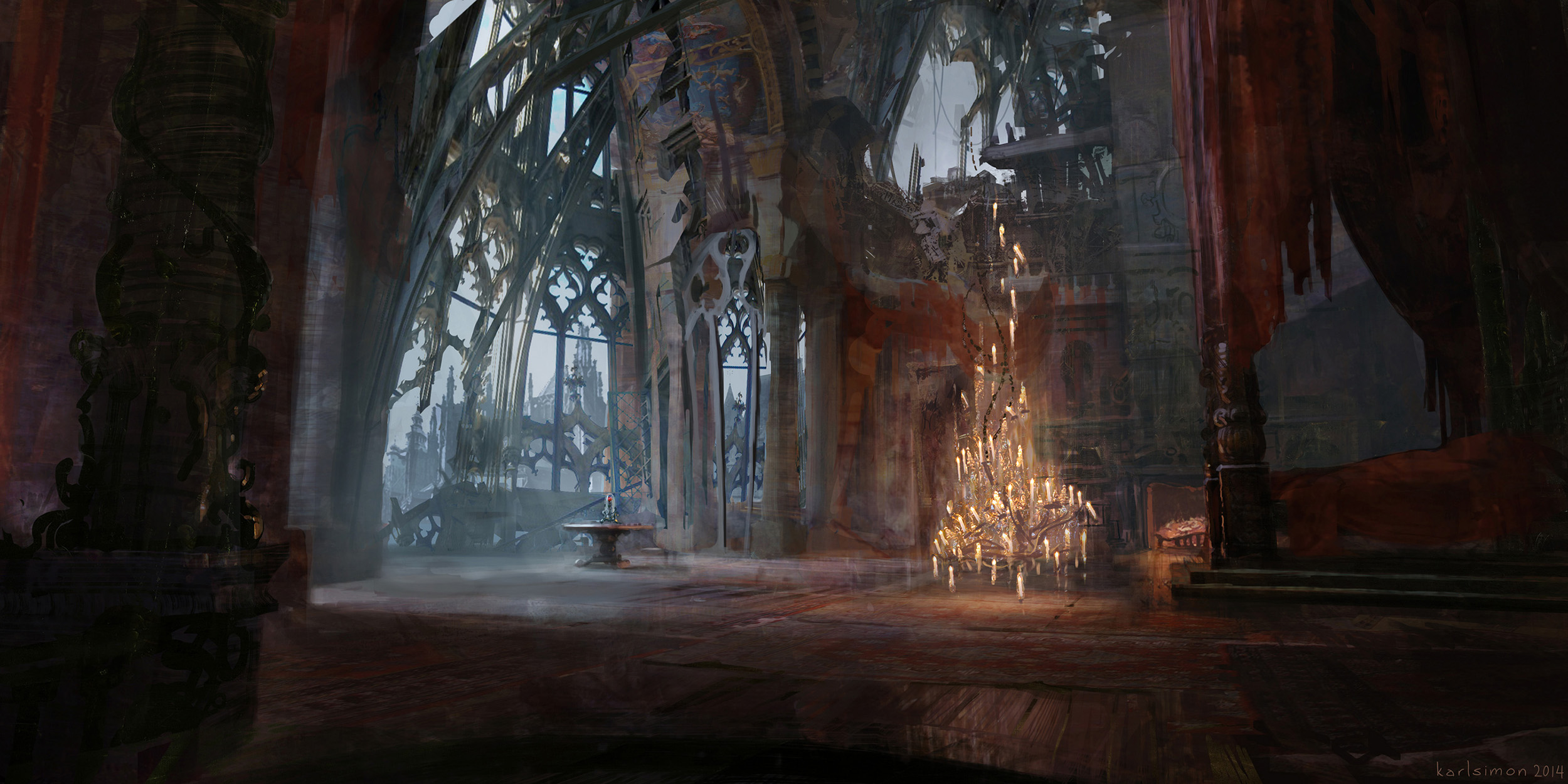
worth watching for the visuals, but has an incredibly disappointing romance.
One thing I appreciated in this film, compared to other versions,
was more realistic sibling relationships: I would love to read/see a version of BATB someday that really explores the relationship between Beauty and her sisters more. The traditional fairy tales has them painted extremely black and white; the sisters ugly and evil and Beauty beautiful and often annoyingly perfect. There's so much potential character depth that could be explored from their reactions to losing their wealth, and a lifetime of your younger sister being your father's favorite (not to mention obviously prettier than you). On the other extreme, there's the Robin McKinley novels, which I adore-but in those the sisters are all a little too perfect; neither they nor Beauty has any real flaws. The Gans version tended to be on the traditional fairy tale side, but you do get a sense of pity for the sisters as their neighbors laugh at their disgrace in their poverty, and when their father comes back from the Beast one of them says "this is all our fault," taking ownership rather than blaming Belle. Belle is more human-she admits she sulks when she finds out her father is going to recover his ship, and the request for a rose isn't made in the "I just want my father to be safe because I'm perfect but to make everyone feel better I'll make a super simple request" way, but as a kind of protest.

Then when Belle returns home, we feel sympathy for the sisters again, for how much worse their life has gotten because of their brother's debts. They aren't spiteful to Belle at all, in fact the brothers' storyline provides an interesting twist in why she didn't return to the castle as intended-and the sisters are honestly glad to see their father doing better.

The Romance (or lack thereof) (warning, spoilers ahead:) But then we come to the introduction of the Beast. I find it interesting that the filmmakers, while working primarily from the classic French Villeneuve/Beaumont tale, chose to keep the "angry selfish" Beast made so popular by Disney and not the gentlemanly Beast who wants Belle to be as happy as possible in the castle. Especially given that Disney's tale has been mostly criticized for its Stockholm Syndrome similarities, and that since then our culture has been obsessed with other troublingly abusive relationships (50 Shades of Gray comes to mind), I would expect a heightened sensitivity to the character of the Beast, and avoiding those pitfalls. Yet I find this Beast to be far worse than the Disney (and when I refer to the Disney Beast I mean the 1991 cartoon, still haven't seen the live remake, although I've read all the fairy tale bloggers' reviews and am somewhat familiar with the major changes).

So he starts out creepy and cruel, which most people have grown to expect from the Beast. Maybe they figure it's better cinema to get you scared at first, so the romance is more dramatic later on. To be fair, the Beast does apologize the next night, although he doesn't say what for (and there is so much...it implies he's only sorry for jumping on the table, not necessarily for, say, imprisoning her for life and cruelly telling her to forget her family because there's no chance she can ever escape).
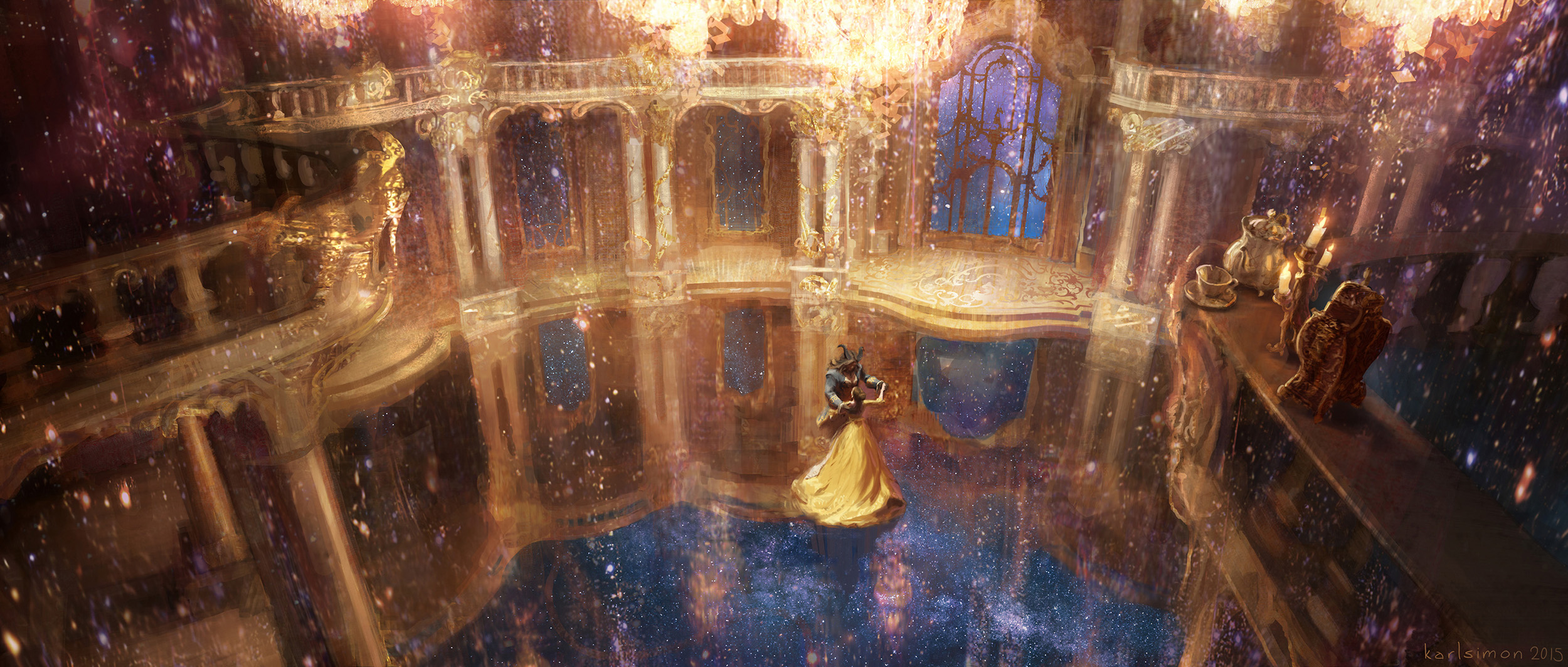
Then Beauty makes a deal with the Beast, she'll dance with him if he allows her to visit her family again. And all of a sudden she's resting her head on his chest (an homage to the Disney ballroom scene?) and it seems she has affection for him, based on...what?? It seems not only unwarranted but way too sudden.
In the Disney, Belle shows no hint of affection for the Beast at all for a long time. The first turning point is when she tries to escape, and the Beast gets hurt protecting her from the wolves. This is the first time that he actually sacrifices something for her. She makes the decision to return and take care of him, fulfilling the promise she made to stay there in place of her father, but still no hint of romance-she thanks him for saving her life and that begins a montage indicating that a long span of time is spent getting to know each other, playing together (snowball fights), reading, and the Beast really trying to be better-relearning to eat with silverware, giving her the library, etc. Only after this, in the famous ballroom scene, does she lean her head on his chest and indicate the least bit of attraction to him.

The Gans sort of has a scene similar to the wolf scene, where Belle attempts to run away, only the Beast doesn't run after to protect her, but catches her. She falls down backwards on the ice, and after he attempts to kiss her, she falls into the ice. Then, after she's back safe and dry in the castle, he says she can go home, and all of a sudden she seems flirty and playful with him-as if he wasn't merely keeping the promise that she herself bargained for. It was hardly the act of selflessness that the Disney Beast shows when he lets her go, permanently, expecting to never see her again and therefore remain a Beast.
Along with that, the Disney Beast's backstory, although it has holes, indicates that his selfishness, although inexcusable, stems from him being a young, spoiled Prince. This Beast's backstory, while interesting, is really more troubling than anything else. What was the purpose of revealing the backstory? Usually it's to make the Beast more sympathetic/human, but he just seems like he's always been a jerk. He had more interest in hunting than spending time with his wife, and broke his promise to stop hunting the Golden Deer. You might think he would have learned his lesson, and become more sensitive to his partner's needs, but the opposite happened. Plus, the fact that he's older and previously married, compared to Belle's situation-has only lived under her father's house, and to all appearances has never dated before, just makes their relationship seem more unbalanced and disturbing. Not that relationships like that can't work, but they require a lot of intentional communication as you work through what would be a lot of baggage.

I kept expecting the relationship to continue and show the Beast growing and changing, like in the Disney, but Belle's return to her family is so abrupt (after only...2 days?) and somehow on her return, her one wish is to be with him again. It's so out of the blue.
To be fair, the Beast has a few (minor) redeeming qualities. When he lets her go, even though he's just keeping his word, this shows growth because he broke his promise to his first wife. He sends Belle with the healing water, and later stops the giant statues from killing her and her brothers (which also means...that he and the stone statues were stomping on a bunch of people like bugs, for looting the castle. The thieves were jerks but that doesn't excuse murder. Or at least I'm assuming people died? It looked like it but was hard to tell and didn't seem like there were that many people to begin with). Still, that's hardly enough to warrant trust and a confession of love, which is what happens next.
I don't agree with everything in
this review from Indiewire (clearly I enjoyed the introduction), but this excerpt seems pretty accurate:
"The love-crossed pair at the heart of the story share little screen time, and the precious few moments they do occupy even a frame together are marked by a decided lack of chemistry and mostly screamed threats from the Beast that often verge into territory that has the unnerving undertones of sexual assault. At the very least, the Beast is mostly intent on capturing Belle’s heart (or maybe just her body) by alternately threatening her with physical (and sexual) harm and greasing the wheels with some jewel-covered gifts and impressive gowns"
In fact the whole relationship was so baffling to me I was even wondering if somehow it was supposed to be exaggerating to make a point, sort of like how Cocteau meant for his ending to be disappointing, but it doesn't seem like this was the intent. Who else has seen this movie? What did you think?