Wednesday, January 21, 2015

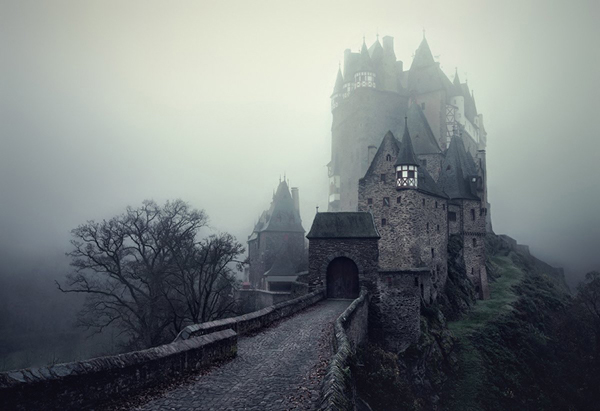
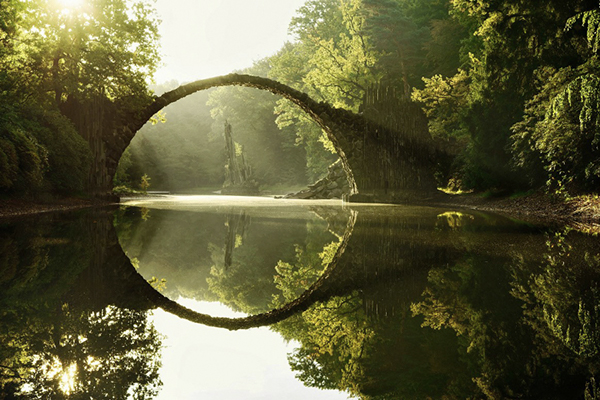
Killian Schonberger-Brothers Grimm Photography

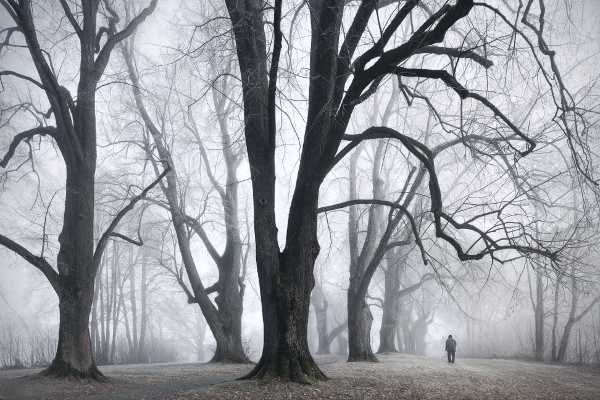
For some gorgeous photography inspired by fairy tales, be sure to check out Borthers Grimm's Wanderings, a series by Killian Schonberger!

Artist's description:
"Brothers Grimm's Wanderings is the second part of a photo project that started with Brothers Grimm's Homeland. The photos are inspired by the old fairytales written by the Brothers Grimm. Therefore I'm searching places throughout Central Europe that echo the mood of those old stories. I think there is a deep longing for tranquil naturalness among people in our techonology-driven environment. Therefore I don't want to show just potrayals of natural scenes - I want to create visually accessible places where the visitor can virtually put his mind at rest and make up his own stories. Possibly this is the real benefit of my work: Resting places for the eyes in an visually overstimulated world."


I think it's true that the more technologically driven our world becomes, the more we long for and romanticize nature, which partly explains why fairy tales are particularly trendy right now. I like how Schonberger interprets fairy tales as needing to be accessible as well as magical; they appeal to us on a personal level.

And here is his first series, Brothers Grimm Homeland. All of these were also taken in central Europe.


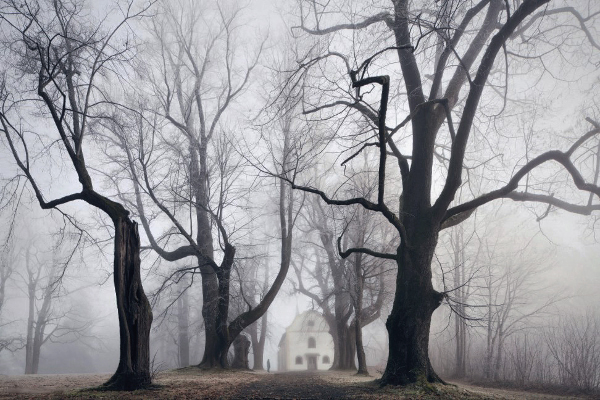
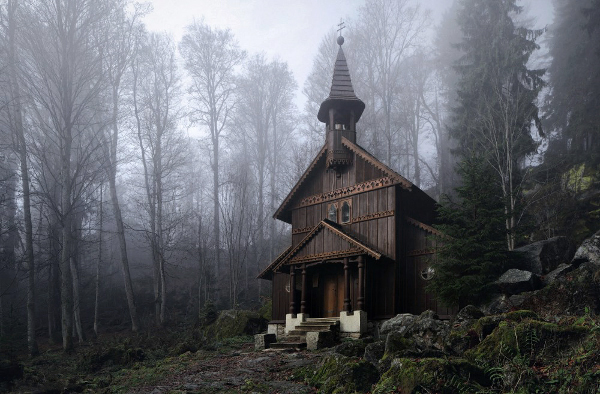
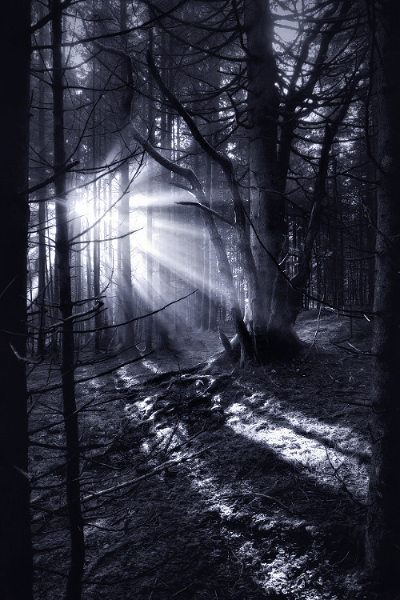
And with the same type of feel and inspiration, fans of this will also be interested in his Dark Forest series. Description: 
"Back into the light.  Where Hansel and Gretel lost their way.
Wanderings through the remote forests along the former Iron Curtain in Central Europe."

I love these. Forests are very important, symbolically, in fairy tales. They are where the heroes and heroines go off on their own, entering into adventure and danger; they can represent our subconscious and entering into a new phase of independence. While these photos portray the forest as ominous, the light breaking through is a ray of hope, reminding us that there is an end and a way out of our own dark forests.


Monday, January 19, 2015

More on Perrault and His Views on Women

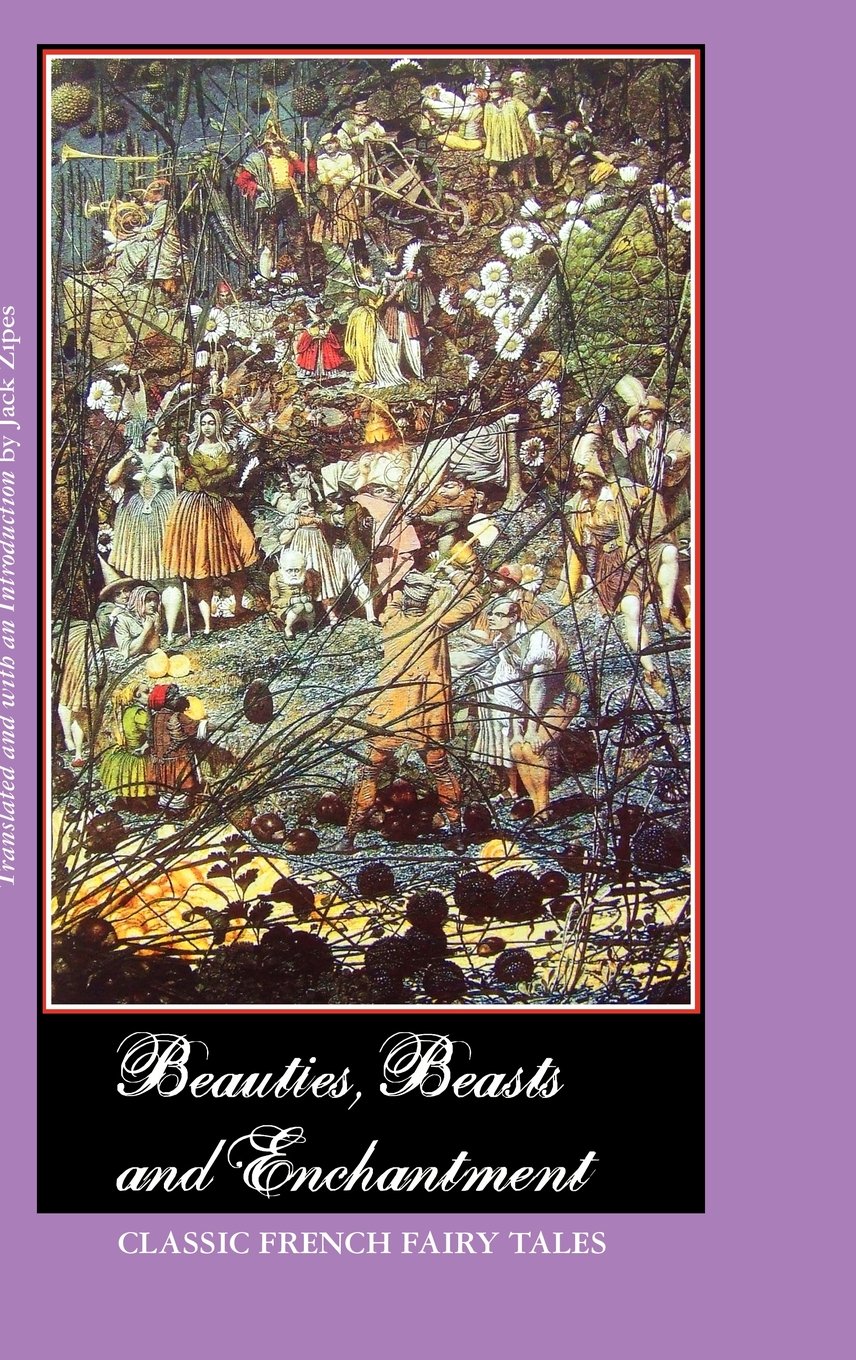
My reading on Perrault and my last post made me curious enough to consult other sources. From Beauties, Beasts, and Enchantment: Classic French Fairy Tales, Jack Zipes writes,

"He [Perrault] had been annoyed by Boileau's satires against women. Thus, we wrote three verse tales, Griselda, The Foolish Wishes, and Donkey Skin along with a long poem, Apologie des femmes, in defense of women, a defense, which is, however, questionable. His poems...stress the necessity of an enlightened attitude of fairness toward women, but fairness on male terms." (emphasis mine)

The satires Zipes references were Nicolas Boileau's "Contre les femmes," or "Against Women," in 1694. According to Encylopaedia Britannica, the main reason for Boileau's beef with women was because they tended to be on the opposite side of the hottest literary debate in France, the Ancients and Moderns (which, as I understand it, boils down to: is old, classic literature innately superior to modern literature?) Women were, supposedly, on the modern side. Perrault was also one of the main supporters of the Modernists.

I've tried looking at what Boileau actually said about women that would have even prompted Perrault's "defense," but I'm having trouble finding any sources that summarize his writings (anybody know?). So far Perrault still looks, overall, like a hero for women's rights.

But just a quick review: the tale "Griselda" is about a prince who falls in love with a woman because she isn't silly and materialistic, like other girls. She is modest and humble, while conveniently being incredibly beautiful anyway. They marry, but after a while, for no reason at all, the Prince becomes annoyed with his wife and starts bossing her around. She bears it all with patience, humility, and grace. But this only prompts him to be more and more cruel, ultimately deciding to take a younger, hotter wife (who is also secretly his daughter, whom he hid and told his wife was dead, just to mess with her) and send his first wife home again. Then to rub it in, he has her come back to be the lady in waiting for his new wife. But through it all, Griselda makes multiple speeches about how it is her life's goal to humbly obey her husband in all things.

Okay. You guys probably know I'm not the type of person to get too riled up about princesses being passive and the other current feminist debates, in fact if anything I get defensive about fairy tales in their historical context, etc. But this story makes me truly angry. How is this, in any way, a defense of women?
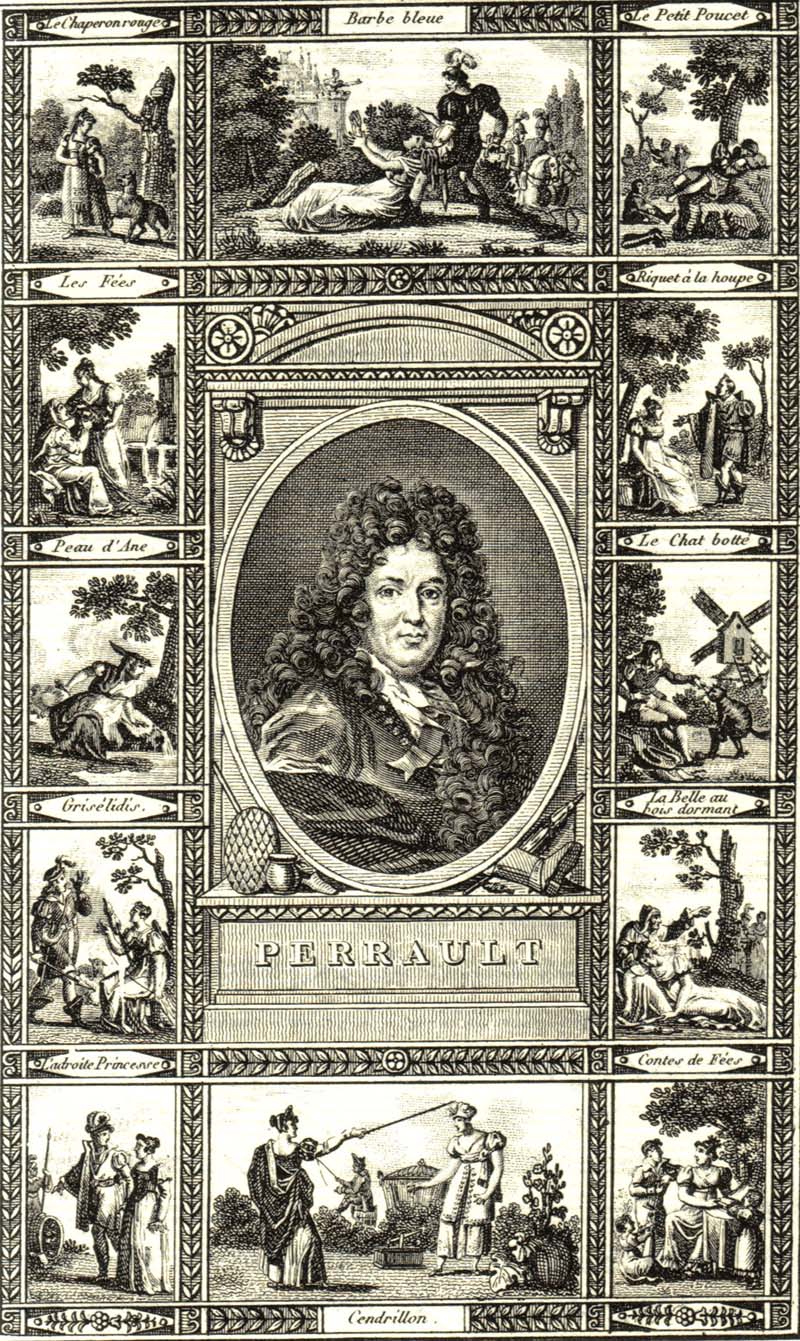
Portrait of Perrault by Phillipe Lallemand, 1672

In a sort of twisted way, it looks like he's paying women a compliment by showing how they can be morally superior. But, in this story, in "Bluebeard," and in lots of Victorian literature that would follow, women are expected to be not only morally superior, but perfect, and harshly condemned for falling short in any way. Men can apparently do no wrong, because the Prince in Griselda is not only never punished, but praised for his cruelties because it allowed his wife to show her character. And we're supposed to believe that Griselda will be happy in returning to her twisted and dysfunctional marriage to this guy.

So here's my conclusion: Perrault was being completely serious in his fairy tales, even in his moral to Bluebeard, and yet somehow, in a mind-boggling way, this was actually feminist literature. Although expectations of men and women were vastly different (and completely unfair and unhealthy), Perrault at least shows women who do the right thing (as those at the same defined "the right thing") in the face of great adversity.

Saturday, January 17, 2015

What Perrault Had to Say About His Tales

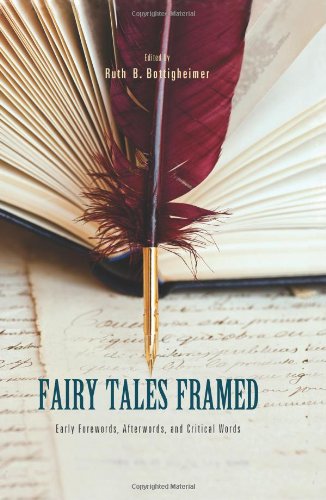
One of the reasons I was so interested in the book Fairy Tales Framed, edited by Ruth B. Bottigheimer, was to see what Perrault actually thought about his tales. He has a whole host of fairy tales that are now considered to be part of the classic fairy tale canon, but one question that has plagued me for years (as well as many other fairy tale fans and scholars) is what to make of his moral to Bluebeard-the one that concludes that the moral of the story is not to commend the wife for discovering the truth and saving herself from a murderous husband, but to condemn her for her curiosity.

Marina Warner thinks that Perrault's story contains thinly veiled sarcasm and should not be taken seriously; it's true that he was a feminist for his time and a friend and associate with many female fairy tale writers of his time. Maria Tatar thinks he may have given random and contradictory morals just to prove how foolish it is to try and find deeper meaning in fairy tales.

Yet many people who later retold the story seemed to take the moral completely seriously, despite the fact that the story's events contradict the condemnation of the woman (Bluebeard is always punished and the wife lives happily). Cautioning women against curiosity was a big theme in the Victorian era, and even through the 20th century (anyone remember the episode of Dick Van Dyke where they purposely trick Laura into opening a package meant for Rob, and she is humiliated when the boat expands in her living room?)

Unfortunately, Fairy Tales Framed doesn't include anything directly written about "Bluebeard", but includes his own words about his Mother Goose tales and another fairy tale collection that included Donkeyskin-which will shed light on how he thought about all of his tales. In both of those instances, he spends the vast majority of his arguments defending the validity of fairy tales, simply because they had beneficial morals. He compares his stories to ancient myths and fables, and even claims that his morals are superior because they make sense (he claims that "Cupid and Psyche" has no discernible meaning).
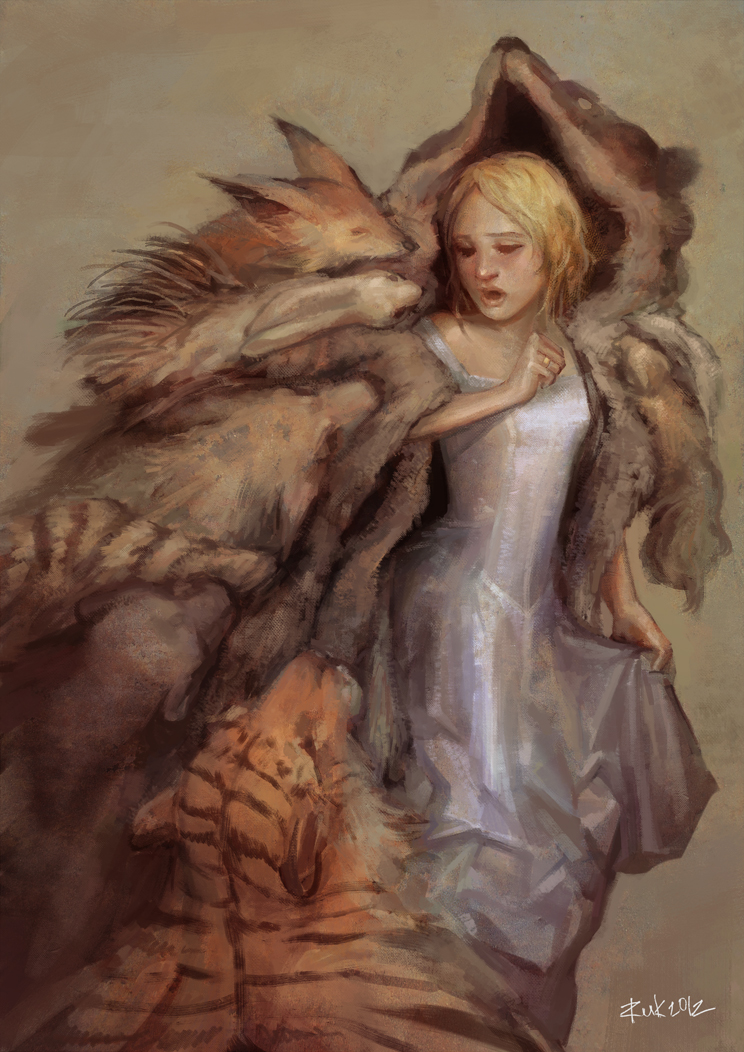
rcmtrue, "Allerleiruah"

For example, regarding "Donkeyskin", Perrault wrote that "It is not hard to discern that the goal of this tale is to help children learn that it is better to risk the most severe punishment than to fail to do their duty; that virtue may be thwarted, but it is always rewarded."

Perrault's tale Griselda is a very preachy tale about the need for a wife to humbly obey her husband in all things, even when he is clearly at fault. When the Prince of the tale decides to marry another girl and send his wife back to her parents, she responds with "You are my husband, lord, and master. And whatever else you may hear, you must remember that nothing is nearer my heart than to obey you completely." Seriously, the whole story is like this, it's a very uncomfortable read. It's actually possibly the most sexist fairy tale I've ever read and makes our discussion of how females tend to be more passive overall look like nothing in comparison.

Yet Perrault did not see the cruel husband as needing to change, but the tale concludes with " Indeed, the people even praised the prince's cruelties because they had produced so remarkable a proof of Griselda's constancy that people saw in her a model for women everywhere in the world." He later wrote that the story "tends to influence women to put up with their husbands and to make them see that there is nothing so brutal or strange that the patience of an honest woman cannot bring to an end."

It's really hard to say what Perrault's true intent was. Scholars tend to think he couldn't have meant his words literally, and it's true that many fairy tales were disguised criticism of royalty. Yet I don't really find Perrault's tone to be that "tongue-in-cheek." He may have been defending the publication of fairy tales in general, which was a hot debate at the time, but to all appearances he was literally preaching complete and total obedience of wives to their husbands, no matter how degrading or cruel, in multiple tales.
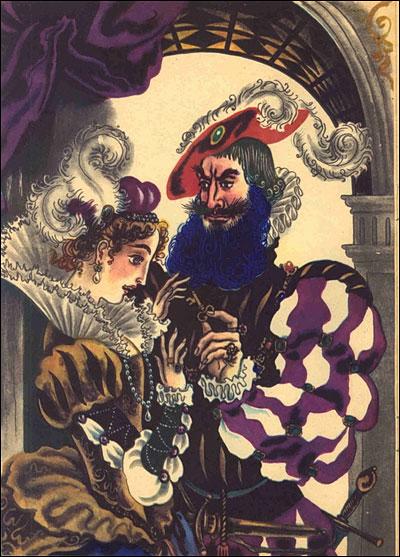
Russian children's book illustration from Soviet Era-(can't find illustrator name, at least not in English)

And it really begs the question, why do scholars feel the need to defend Perrault's intentions? I admit I don't know much at all about French culture at the time other than what I've read in fairy tale books, but I kind of find it hard to believe that he was really just writing for shock value when it seems everyone at the time and for hundreds of years afterwards took him literally.

Wednesday, January 14, 2015

Russian Hansel

The Russian version of "Hansel and Gretel" (and its many variants) is one of the most popular Russian folktales. This one only features a young boy. He is abducted by Baba Yaga (sometimes it is because she either asks him for an apple, or offers him an apple; an interesting comparison to Snow White, especially when looking at how women are typically the ones to succumb to such temptations in fairy tales).

Yaga intends to eat the boy. She is often the mother of three daughters in Russian folklore, who are present in most variants of this tale. The first daughter is tasked with putting the boy in the oven, and asks him to sit on the bread spatula. He lies down but sticks his limbs out so that he won't fit into the oven. The daughter insists that he sit the right way; he plays dumb and asks her to show him how. When she does so, he shoves her in the oven and roasts her instead.

And if we think the Grimms' "Hansel and Gretel" are violent for shoving the witch in the oven, this boy takes it a step further; he serves the meat of the daughter to Baba Yaga, who comments on how sweet his meat is, and does the same thing with the other daughters, ending by defeating Yaga herself.

The most interesting thing about this Russian version is its similarity to a local custom of symbolically "baking" children. Andreas Johns says, "It consisted of putting an infant on a bread spatula and into a warm oven, and in some cases putting the child in and taking it out a number of times, with an accompanying dialogue urging the performer of the ritual to bake away the child's illness." A similar ritual in Romania involves holding a child over boiling water to cure it of "the evil eye".

Although it seems shocking, it was not meant to be an abusive thing, but viewed as positive and nurturing, as fire was seen to have healing properties. Still, I can't help but wonder how hot the oven was and how long they held the kid in there...but it seems reasonable to think that the tale could have reflected a child's anxieties concerned with this ritual.
John Augustus Atkinson-Russian oven drawing-1803

Johns also reminds us of how essential an oven was to a family in the middle of cold Russian winters, as their primary source of heat. We are reminded of the paradox of fire, which is both necessary for survival, and also a dangerous instrument of injury and sometimes death. From Wikipedia: "As well as warming and cooking, the Russian oven can be used for washing. A grown man can easily fit inside, and during World War II some people escaped the Nazis by hiding in ovens.[3][4][8][9] In Ancient Russia the oven was used to treat winter diseases by warming the sick person's body inside it."

So maybe this ritual wasn't as close to child abuse as it appears to us; it seems like ovens could be manipulated to become a sort of sauna. Still, I would imagine there would be some anxiety about keeping young children from climbing in...

Sunday, January 11, 2015

Interpreting Baba Yaga

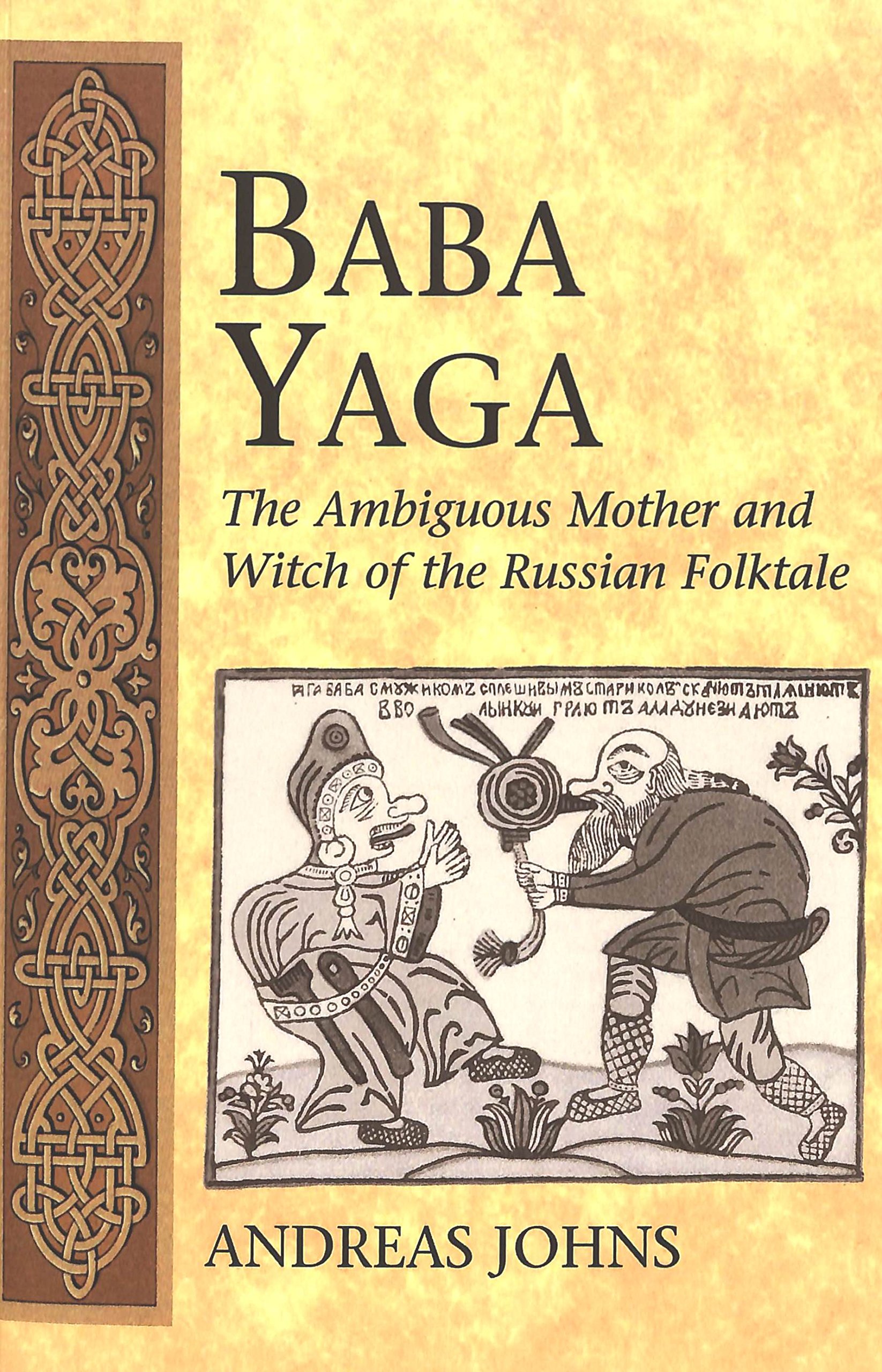
I'm loving my new book, Baba Yaga: The Ambiguous Mother and Witch of the Russian Folklore by Andreas Johns. It came highly recommended by Heidi Anne Heiner, AKA Surlalune, and Tony was kind enough to get it for me for Christmas!

In the first chapter, "Interpreting Baba Yaga," Johns outlines the history of Baba Yaga scholarship and the different theories about her history and significance. It's kind of amazing to see how many people have attempted to trace the history of her name and origins. "Baba" is a common word, found in all Slavic languages, which primarily means "grandmother," but can also mean "old woman/wife," or "married woman," and can also be used as a derogatory term for a man. In Old Russian the word also had connotations of a midwife, sorceress, or fortune teller.

"Yaga" is much more controversial. There are over 50 variants of Yaga's name, and scholars have attempted to prove that linguistically, the name came from anything from "snake" to "female demon of illness."
Ivan Bilibin

The name was not recorded anywhere until 1755, when it was included in a list of Russian folklore characters. In 1780 the author Vasilii Levshin provided an account of her origin which may or may not be his own invention; the devil cooked twelve nasty women together in a cauldron to capture the essence of evil, and the result was Baba Yaga. Baba Yaga popped up regularly in literature and art after that.

The first attempt at understanding her origins was mythical; as a diety of the ancient Slavs. Mikhail Chulkov wrote in 1782 that "the Slavs venerated the underworld goddess by this name, representing her as a frightening figure seated in an iron mortar, with an iron pestle in her hands; they made blood sacrifice to her, thinking that she fed it to the two granddaughters they attributed to her, and that she delighted in the shedding of blood herself."
Image from here

Folklorists such as the famous fairy tale collector Afanasyev believed that folktales were remnants of old religious beliefs and rites; when the ancient ways were forgotten, the meanings of the stories were also lost and the fairy tales we have are only fragments of these older religions. In attempts to explain the most curious aspects of Baba Yaga, the fact that she can be both a helpful donor as well as an evil, cannibalistic witch, Afanasyev saw her as represinting a storm cloud. Such a thing would be a welcome relief in summer, a necessity for life, yet could also be treacherous and deadly in the long Russian winters.

Other mythological interpretations of Baba Yaga see her as representing the loss of children's teeth, the crow, the fox, a Bird Goddess, death, feminity, and fertility. For a while it was also popular to see fairy tales as the result of solar myths, and in 1973 a theory was made that she represents the moon; the waning crescent moon is the explanation for her cannibalistic urges.

Some scholars looked to historical customs to explain Baba Yaga, such as folklorist Vladimir Propp, who created the system of analyzing fairy tales in terms of the functions they all share. Propp traced Baba Yaga tales back to old rituals of initiation in which initiates underwent symbolic death and renewal. Yet, although Propp cites rituals from all over the world, he doesn't explain how those customs came to be represented in a Slavic figure. Although his logic is questionable, Propp's work became very influential in subsequent Baba Yaga scholarship, and many writers associated her with death and rebirth.

One very interesting observation was made by Olga Perianez-Chavernoff in 1983; the differences in how Baba Yaga relates to the hero (as villain or donor/helper) has everything to do with the age of the hero. To young children, Yaga is a threat; she abducts them and attempts to cook and eat them. Yet when the heroes are adolescents, she is usually the donor-even if she tries to take advantage of them, the older heroes find ways to manipulate her into giving them advice or magical aid in their journey.

Some people interpret Baba Yaga as being a Mother figure. She is sometimes the mother-in-law or somehow related to the hero; even when she is not, she may represent people's resentments against their mother's control in childhood. In European tales, it is often supposed that the evil stepmother or witch is a manifestation of the "bad" side of the mother, through the eyes of the child-the one who controls and punishes, whereas the "good" mother is often represented in another form, like a magical animal. So in Baba Yaga, the two sides are present in one figure; but why is she split in Europe and not in Russia?
\
Dave Crosland

Jack Zipes sees the tales from a social perspective; Yaga represents the evil rulers who suppress the people. But Johns points out that many Russian tales are obviously aimed at the government and don't disguise their feelings, so why would there be a need for a hidden meaning in Baba Yaga?

Other people have seen Baba Yaga as the result of gender issues. Yaga, they claim (without evidence) was more benevolent and likely to be good back in the old days of matriarchy; then in the struggle in which patriarchy overcame, she took on more evil traits.

Of course, Freudian scholars see everything in terms of phallic images. It's actually funny to see how they can take even a single old woman with exaggerated deformities and turn her into something that supposedly represents the act of heterosexual intercourse.
From the film "The Vanquishing of the Witch Baba Yaga," via Once Upon a Blog

Especially after reading all of these theories together, it becomes obvious that no one can claim to know the one true meaning of any fairy tale or history (many of these same arguments have been made to interpret the classic fairy tales of Western tradition.) After a while I even started thinking, "do these people actually realize that Baba Yaga is a character and not real?" Although her unique traits, especially her ambiguous moral status, deserve some looking into, it seems odd that scholars try to reconcile all of her characteristics from all of her tales in one master explanation, when in reality, these stories were mostly told by storytellers who only knew the Baba Yaga tales in their region, where they each developed characteristics of their own.

The mere fact that some variants of tales feature Baba Yaga wheras other variants feature a witch would indicate that, while she is a reoccurring staple of folklore, she is clearly interchangeable with other witches or donors. In Russian folklore, a majority of male heroes are named "Ivan," yet no one is trying to figure out how Ivan could have done every act he is attributed in every Russian fairy tale.

Again, being the only character that goes back and forth between good and evil is significant, sometimes within the same tale. But Yaga is only a helpful character in about 1/3 of her stories, and even there, she is usually an unwilling helper. To me that doesn't indicate moral ambiguity, but that the hero  is sometimes more powerful than her and able to trick her. The actions of Baba Yaga may just reflect the character of the hero-either their goodness, wit, or power. Baba Yaga is fearsome and cruel, but the characters are not helpless against her-evil can be conquered.

The rest of the book should definitely shed more light on this intriguing character!

Friday, January 9, 2015

Tales of Faerie Q&A

Hey guys! I'm thinking of doing some sort of "Behind the Scenes" feature next month for my 5 year blogoversary-crazy!!. So if any of you has any questions about me or my blogging process, consider this your opportunity to get to know the mind behind Tales of Faerie! You can ask questions in the comments, on this or future posts.

Wednesday, January 7, 2015

Fairytale Cottages

Tony was browsing through Airbnb the other night and a list of fairytale cottages sparked my interest. Unfortunately (for me) most of them are in California.

The Fairy-tale Gingerbread House was the most directly related to fairy tales:

There is also a castles listing:
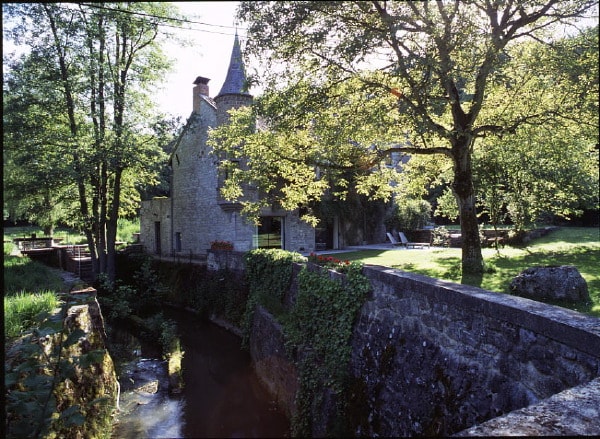
Les Duves in Belgium


I also found this list of  Fairytale Abodes: 15 Tiny Storybook Cottages.
The site says: "Humble and beautiful in their imperfection, little cottages with hand-made details call to mind the tales of the Brothers Grimm and other fairy stories, making us long for an adorable abode to call our own. These tiny houses provide inspiration to simplify and live smaller, and they’re definitely fun to look at. So make yourself a mug of hot cocoa, settle into some blankets and get ready to daydream about cozy snow-covered cottages brimming with the magic of storytelling."

And if you like these, a simple Google Image search reveals many more enchanting little cottages:
Image 1/2/3/4

Monday, January 5, 2015

The Literary Fairy Tale in Italy

While names like the Grimms, Hans Christian Andersen, and Charles Perrault may be household names associated with the fairy tale genre, many people are unaware that the literary fairy tale tradition started much earlier in Italy with two main men; Giovan Francesco Straparola and Giambattista Basile. They wrote tales in fairy tale tradition, including predecessors to some of our most famous fairy tales, "Puss in Boots," "Beauty and the Beast," (Straparola's "The Pig King") "Sleeping Beauty" (Basile's "Sun, Moon, and Talia") "Snow White," (Basile's "The Young Slave"), "Rapunzel" (Basile's "Petrisonella") and "Cinderella" (Basile's "Cat Cinderella").
Warwick Goble, Basile's "Petrisonella" ("Parsley")

Yet despite their immense influence on the fairy tales we know and love today, the stories these men wrote were not widely accepted when they were published. At the time (16th century for Straparola, 17th for Basile,) the literary world was much concerned with the debate about what kind of fantastic fiction was acceptable to read. Fairy tales were widely looked down on as being fit only for crazy old women or simple young women.
Jules Garnier-frontspiece to Straparola's The Facetious Nights

Both collections of stories were organized in frame narratives, with each of the tales being told by narrators. In Straparola's collection, there were male and female narrators, but the fairy tales were only told by the women; the men told more realistic stories. Basile's stories were narrated by ten old women, each with some kind of deformity-limping, hunchbacked, large-nosed, drooling, etc.-which Bottigheimer says is a "grotesque parody" of Straparola's elegent women. Interestingly, when a later Italian reviewer defends the genre of fairy tales, he does is by comparing them to the epics and classics written by men that were held to be "good" literature, therefore masulinizing them.
Warwick Goble, Basile's "Sun, Moon, and Talia"

These Italian stories are shocking to most modern audiences; they are lewd, violent, and sexual and were not necessarily meant for children. It was common not only for the peasants to tell each other tales while they did their chores, but it was a custom for Neopolitan nobles to call on courtiers to entertain them by reading or reciting some sort of amusement. The type of story the courtier chose would then reveal his character, or how refined his tastes were. The ultimate story was thought to have some sort of allegory or meaning to it; fairy tales were seen as frivolous because there was no deeper meaning. Those who defended fairy tales claimed that they had deeper allegorical moral lessons as well, but no one seemed to be arguing for a fantasy story to have value for the sake of entertainment and imagination itself (many other epics and legends of the day had morals inserted into them, which made them more acceptable, rather like the fairy tales themselves as they entered the Victorian era...)

Fairy tale writer Carlo Gozzi (1720-1808) actually wrote his fairy tales precisely because he did NOT approve of them-he chose what he viewed a "lowly" form of story as the basis for a play simply to prove that audiences would watch anything and were not discerning. Yet in doing so, he ironically produced popular versions of fairy tales that did, indeed, have political and aesthetic points of view. The fairy tale as a genre would not be acceptable in high society until the French started writing and telling them.

*Information taken from Ruth Bottigheimer's Fairy Tales Framed: Early Forewords, Afterwords, and Critical Words (I got this book for Christmas, as well as the Baba Yaga book by Andreas Johns, so there will be more posts from each of these!)

Friday, January 2, 2015

Kenneth Branagh on his new Cinderella

Reader chizzie-shark shared this link  with me, an interview with Kenneth Branagh about his new Cinderella movie. I love this quote, it makes me more interested in seeing his version of the fairy tale:


"Oh My Disney: One of the themes of the new film is courage. How did that inform Cinderella as a character?
Kenneth Branagh: I think that she learns to turn the other cheek with strength. She has no sense of self-pity, no sense of being a victim. She makes her own choices, She doesn’t indulge in her own pain or hardships. She looks at the world with compassion. I find her such good company because she’s so un-showy, and yet she’s so charismatic. I think she really knows herself."
Are people excited about this version? Or, like so many recent fairy tale movies, is it better not to get our hopes up? Speaking of which, who's seen "Into the Woods"? So far, other fairy tale bloggers seem pleased overall...