Thursday, December 11, 2014

Red as Blood, White as Snow, Black as Crow

After posting the article a few days ago about the possible significance of Santa in white and red, I did a little more digging into color symbolism in fairy tales. I found this article, Red as Blood, White as Snow, Black as Chrow: Chromatic Symbolism of Womanhood by Francisco Vaz Da Silva. It's a really great in depth look into the subject of colors in fairy tales if you're interested-it is several pages long.

It looks specifically at the triad of colors that is most often found in fairy tales, white, red, and black. And while that usually brings Snow White to mind, there are other fairy tales Da Silva mentions that have that same combination; more specifically, in which the sight of red blood upon a white background reminds someone of ideal female beauty. Three drops of blood on the snow remind 12th century Perceval of his sweetheart, and the colors of a slain crow's blood and feathers on a stone remind the Prince in Basile's "The Crow" of what he would like his wife to look like. In another Basile tale, "The Three Citrons," a prince does not want a wife until he cuts himself while slicing cheese and decides he wants a wife who is "like ricotta stained with blood." A tale from Brittany, collected by Francois Luzel, features a man who, when seeing a crow and its blood on the snow, decides to marry the princess whose face is just as red, white, and black. Even in the Grimms' "Goose Girl," the princess' mother gives her a white handkerchief with three drops of her own blood on it, which will protect her as long as she has it with her.

The article delves more into the symbolism of the three colors and what they mean, but essentially, it boils down to the female cycle. Fair warning: the article discusses much about women and blood and I'll be talking about it too, so if that makes you uncomfortable you can skip the rest of this post. It's a common way of interpreting fairy tales so although it may be a little awkward I think it warrants discussion.

The three drops of blood are supposed to represent the three significant times a woman bleeds in her life, which all represent her transition into womanhood: her menarche (first period), deflowering (first time she has sex), and childbirth. This is a popular way that people understand this color trio; several other authors make connections like Sleeping Beauty pricking her finger to either of the first two.

This never really made sense to me. If you claim that this is "the meaning" of the colors, that would indicate that the authors intended the reader to make that connection, and that most readers at the time would also do the same. Yet, I consider myself to be a fairly intelligent person, but I would never, ever have connected the pricking of a finger, or red blood on snow, to women's periods. Sure, menstrual blood happens every month, but it's always hidden. Especially since, in several of the stories above, the sight of blood involved a man thinking of a woman, how would he make the connection? Men would rarely, if ever, see a woman's menstrual blood. (Basile, author of two of those stories, was a man himself.) I would think a more obvious connection to red blood would be war, in which blood was visibly shed, or red flowers.
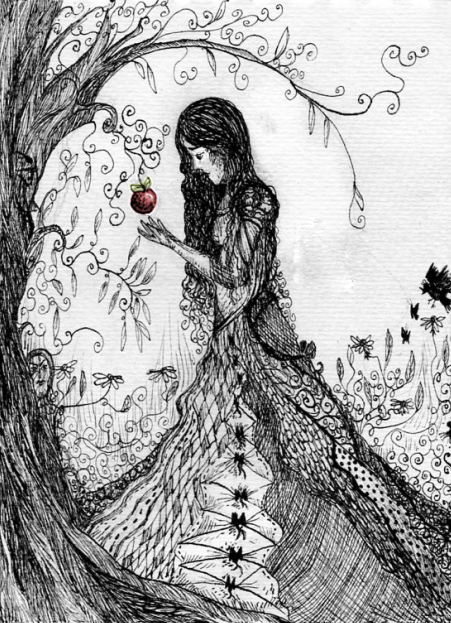
I think it might be safer to assume that red on white just means the blush of a cheek against white skin. In days when people farmed the land, white skin would indicate the ability to be indoors; it was desirable because it was unusual, and would also probably mean you were rich (for the same reason that people at the time would have desired curvy women rather than rail-thin models at the time-not everyone could afford to eat their fill, so that body type was more rare). It's clearly a sight we desire today, as evidenced by the fact that blush is still considered an essential part of any woman's makeup kit.

Yet, the meaning could have been vastly different hundreds of years ago. Today, a woman's cycle doesn't really interfere with her regular life. Just put on some protection, pop a couple of painkillers, and you can forget about it. But before drugstores made painkillers available and had aisles dedicated to "feminine products," it's possible that a woman's period may have intruded on her life much more. In Bible times, a woman was considered unclean when she was on her period. Anyone who touched anything she touched also became unclean, not to mention the hassle I assume there would be from laundry and just experiencing severe cramps without ibuprofen. Today we can afford to be discreet about menstruation, but in the days when families shared one room houses, bodily functions were less private, and it might have been obvious when a woman was having her period. (Although still, I don't know that men would associate it with the color red).
Bess Livings

And we can't argue the fact that red has been considered a significant color by virtually every culture. Da Silva cites a study in which they found that if a language has only two words for color, it's black and white. If they have three, it's always red, black, and white. Subsequent colors are always added in a similar order. (Frankly, it's hard to imagine a language that only has two or three words for colors; it's one of the first things we teach our babies, but here's the information from the study: "Berlin, Brent, and Paul Kay. Basic Color Terms: Their Universatily and Evolution. 1969. Berkely: 
U of California P, 1991"


Clearly, these colors are significant to humans. Maybe it is because of female cycles and their unique ability to bear children. What do you think?


Tuesday, December 9, 2014

The International Fairy-Tale Filmography

Nikki Pilgrim/George Melies

This great new fairy tale resource was introduced to me via the comments! Lauren Bosc says:

"We introduce the International Fairy-Tale Filmography, iftf.uwinnipeg.ca, created by Jack Zipes, Pauline Greenhill, and Kendra Magnus-Johnston. It is available free of charge, open access to all users. 

This database is currently searchable by title, director, person, company, country, language, or origin (Aarne-Thompon-Uther tale-type names and numbers and/or literary fairy-tale titles and authors). It was funded by grants from the Social Sciences and Humanities Research Council of Canada (SSHRC). 

As this project is ongoing, we encourage users to suggest films under "Contribute." There is also a "How-To Video" and further information on fairy tales and fairy-tale films."

This is a great resource and I can't wait to explore it further! Now, the films themselves can't be viewed via the site, but many of the older films can be found with a quick search on youtube. It's still a great tool for finding fairy tale-related films-everything from old silent films to classic Looney Toons to Disney to films that just came out in the last year! Here's the how-to video they include:

Monday, December 8, 2014

Santa and the 'Shrooms

Haddon Sundblom-Coca Cola ad

A friend of mine sent me this article, Santa and the 'Shrooms: The Real Story Behind the "Design" of Christmas, by Holly McWhorter. Basically, the premise is that Santa's traditional red and white coat actually stems from old traditions of the Kamchadales and Koryaks of Siberia involving hallucinogenic red and white mushrooms, called "fly agarics".
Vintage holiday cards, via the article

Before passing it off as ridiculous, it's a pretty interesting article and they make connections not just between the colors of the mushrooms and Santa's coat, which in itself would be quite a stretch, but to many other traditions about Santa, from his reindeer to why he comes down the chimney. 

The article describes a solstice ritual of the Siberian people in which the Shaman would go out and gather these mushrooms, which were enjoyed by reindeer and people alike, and would give them a high, which could explain some of the stories about flying reindeer and such. McWhorter goes on to describe the actions of the Shaman:
"But how would he get into a yurt whose door was blocked by several feet of snow? He’d climb up to the roof with his bag of goodies, go to the hole in the center of the roof that acted as a chimney, and slide down the central pole that held the yurt up over the fireplace. Then he’d pass out a few ‘shrooms to each guest, and some might even partake of some of the ones that had been hung over the fire. Clearly, this idea of using the chimney to get in and pass out the magic mushrooms (and other goodies) had sticking power. Interestingly, even as late as Victorian times in England, the traditional symbol of chimney sweeps was a fly agaric mushroom — and many early Christmas cards featured chimney sweeps with fly agarics, though no explanation of why was offered."

The article claims that this ritual is the origin of the Santa myth, which got later mixed in with other traditions such as the Dutch Sinterklaas. I think that's maybe stretching it a bit much-many European cultures had some form of gift giving spirit, or mischievous house elf, or a possible relation to Santa. The influence of St. Nicholas can't be ingnored, because where this article claims that hanging mushrooms in a sock over the fire was the origin of stockings, that has also been attributed to a legend of St. Nicholas. It seems a little odd to me that the traditions of such small, isolated tribes should have spread and grown throughout Europe over the years; the article claims the traditions were carried to Great Britain by ancient druids. I'm sure that some elements of this tradition did get incorporated into the modern Santa, but I find it extremely unlikely that these traditions would have been spread all around Europe in bits and pieces, then later all brought together again when those descendants immigrated to America, where they were all joined together again in a remarkably similar way.

Debating origins is pretty tricky and ultimately impossible to know for sure, but I found the article interesting. Red is such a significant color in Santa Claus history as well as fairy tales, especially "Snow White" and "Little Red Riding Hood". Could the use of this color in these stories could also be related to these mushrooms, which are also often pictured alongside fairies? I also posted earlier this year about the possibility that the traditions of witches flying on brooms were also caused by a hallucinogenic plant that would give the eater illusions of flying. It's not too much of a stretch to see that as a possibility, but at the same time, flying is a pretty universal human wish, and a common dream. I don't think we need to be high, necessarily, to create stories about flying.
Elsa Beskow
Selina Fenech


Also, I've done a fair bit of reading into the history of Santa and Christmas traditions, and this is the first I've heard of any of it being related to mushrooms and highs. 

Something else to keep in mind whenever looking at possible origins of either Santa Claus or various related fairy tales is that, statistically, some coincidences are bound to happen. If you compare our Christmas traditions with every ancient culture's Winter Solstice, you're more than likely to find some parallels, it doesn't necessarily mean they're related. Still, pretty interesting to consider!

Friday, December 5, 2014

A Hansel and Gretel Christmas

Found these two ads in the Chicago Tribune a couple days ago and thought you might find them interesting too:

"Gingerbread House Competition: Hansel and Gretel's witch could look to Geneva for inspiration this season as candy-coated houses fill the All Chocolate Kitchen. The houses must be made entirely of edible materials and will be judged...on overall appearance, creativity, difficulty, and precision."


Emerald City's "Hansel and Gretel: A Wickedly Delicious Musical Treat"

Among the most fertile of fairy tales, this classic takes on a new flavor when kiddie ace Justin Roberts teams up with Emerald City's Ernie Dolan. The pair deliver an all-ages rock musical (featuring The Grimm Brothers Band) about the brother-sister duo who discover appearances aren't always as sweet as they seem. 

Sounds interesting, definitely a new take on Hansel and Gretel! More info on the Broadway in Chicago site.

Then, also from the Chicago Tribune, but on a much more sober note: They've been doing several exposees on the system of institutions in Illinois for abused and neglected children, finding that they are rife with sexual and physical abuse, from the other residents as well as the staff. Truly heartbreaking to read story after story of kids and teens who were taken advantage of when they should have been protected. (Read more here, here, and here.)

But it did remind me of fairy tales, so many of which are about the abuse of children. And while we sit around contemplating the possible symbolic and psychological meanings of these tales in which mothers, stepmothers, siblings, and lusty fathers are cruel and mistreat the protagonists (I was just reading the other day about how "Donkeyskin" is supposed to be a way that girls live out their Oedipal complexes), we forget that for thousands of kids worldwide, these accounts of horrible abuse are true in the most literal sense. Even in our modern world, the very system that is supposed to put an end to this is making it worse. Many of these girls escape the system, to end up on the streets and in prostitution. They are truly victims, yet I hope no one would accuse them of being passive and unfeminist; they were placed in a horrible, awful sitation they should never have been in. I just hope that these articles inspire some major change, because awareness is only the first step-people have to take action next.

Wednesday, December 3, 2014

Neil Gaiman: Why Disney's Sleeping Beauty Doesn't Work

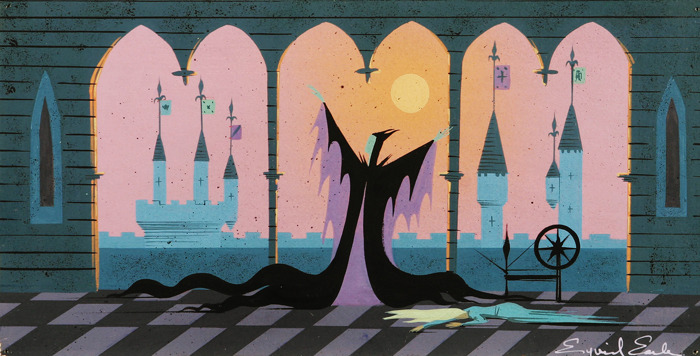
Concept Art for Disney's Sleeping Beauty by Eyvind Earle

You may have seen links to this interview with Neil Gaiman going around the fairy tale blogosphere from The Telegraph: Why Disney's Sleeping Beauty Doesn't Work. He talks about many aspects of fairy tales and history, from the Grimms to Goldilocks to Angela Carter, so it's worth a read; but in reference to the title, he doesn't think Disney's Sleeping Beauty makes a complete story. In the opening paragraph, he says,  "I don't have a lot of patience for stories in which women are rescued by men." 
Henry Maynell Rheam

Sure, that's a way to interpret Sleeping Beauty and Snow White stories, and I love a good twist to the helpless heroine, but that's only one way. Bruno Bettelheim sees stories with sleep as describing adolescence, Gaiman himself discusses how Perrault's "Sleeping Beauty" is really less about the sleeping and rescuing and more about the nightmare of having a horrible mother-in-law. With Disney's new "Maleficent" it's clear we can tell the story in a way that doesn't include rescue by a man at all.

It's just another example of how it seems like the only way modern people interpret classic fairy tales is to see them as sexist-helpless women in need of rescue by men. We miss out on other meanings, and then it sets up anyone reading such opinions to decide that, to be intelligent and forward thinking and support gender equality, we too have to dislike any stories where women are less active than men or in need of rescue.
Warwick Goble

Disney's classic Sleeping Beauty may not work for Gaiman, but clearly, for generations, it has "worked" for lots of little girls (and big girls!) who love Princess Aurora; who are enchanted not so much by the idea of being helpless, but that someone would want to rescue them.

I just hope we aren't sending out messages that it's wrong to ever need help. We all get in situations where we need help, it's okay to ask for it, it's even okay if that help comes from a loving and supportive significant other.

Gaiman himself says it best at the conclusion of his interview:

"What does he mean, I ask – that they are true and also… inspiring?
"True and also lies!" says Gaiman. "If someone says: 'We have investigated – there was no Snow White', I'm not going to go: 'Oh no, my story is now empty and meaningless'. The point about Snow White is that you can keep fighting. The point about Snow White is that even when those who are meant to love you put you in an intolerable situation, you can run away, you can make friends, you can cope. And that message," he says with a smile of satisfaction, " – that even when all is at its darkest, you can think your way out of trouble – is huge."
Nancy Ekholm Burkert

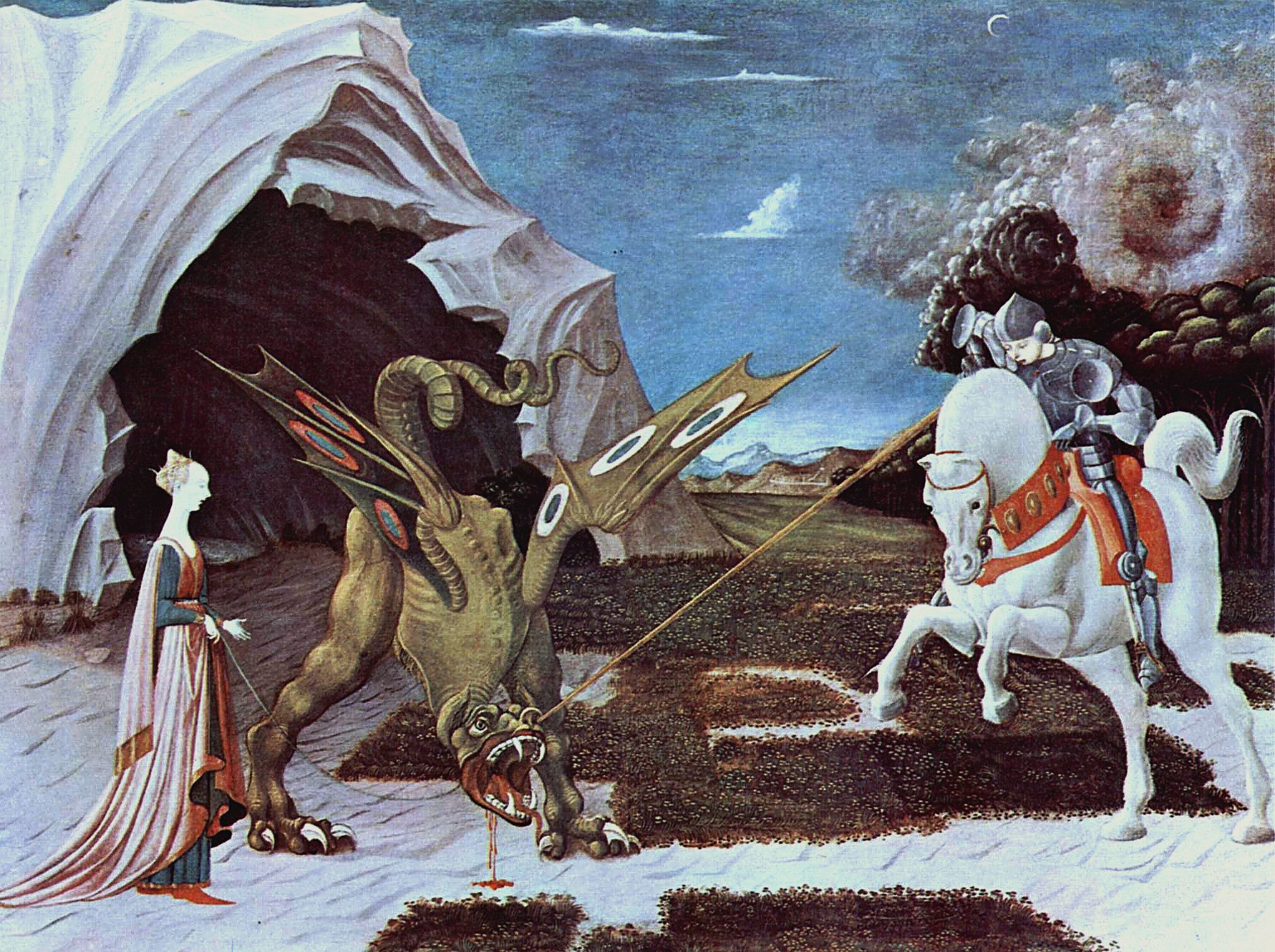
*Also, I believe this interview, and the movie Coraline, has been the source of some confusion over the famous quote about fairy tales showing children that dragons can be defeated. I've seen many people crediting it to Gaiman. The article says, "He points to the lines he used as an epigraph to Coraline – remembered from GK Chesterton but loose enough a paraphrase to be his own: "Fairy tales are more than true – not because they tell us dragons exist but because they tell us dragons can be beaten."
Here's the Chesterton quote:

“Fairy tales do not tell children the dragons exist. Children already know that dragons exist. Fairy tales tell children the dragons can be killed.”

Paolo Uccello

In my opinion, I think the thought is clearly still Chesterton's, but with either wording, I love that quote.

Monday, December 1, 2014

Posts of Christmas Past

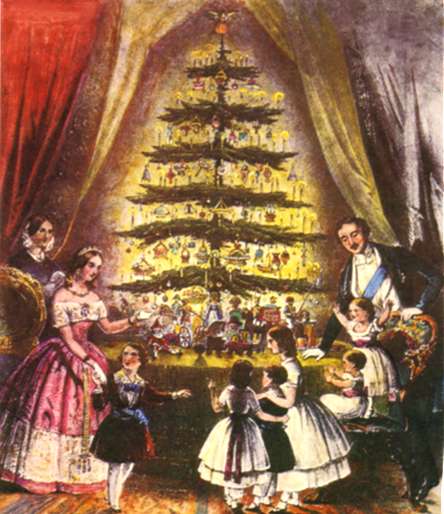
Illustrated London News, 1848

Even in mid-November I was starting to see people searching for "Nutcracker" and other Christmas-related posts in my archives, so I thought I could put together links to some of the most popular/pertinent Christmas posts. You can also use the Christmas tag at the right for a thorough list, but it can be frustrating to sift through old archives, so here's a more organized guide to posts that may be of interest:

Nutcracker:
History of Nutcracker Ballet-A video that discusses the history of the ballet
E.T.A. Hoffman's The Nutcracker-A summary of the original story that inspired the ballet
Dumas' Nutcracker-A discussion of Alexandre Dumas' revision of E.T.A. Hoffman's "Nutcracker" story

1904 German Postcard
Santa Claus:
Scary Night Visitors-A link to a BBC article that describes some more fearsome versions of Santa Claus throughout the world
Yes, Virginia-A discussion of the true response to a little girl in the paper who asked if Santa Claus existed, and the cultural myth of telling children about Santa Claus
St. Nicholas' Day-History of St. Nick through Santa Claus, from Martin Ebon's book Saint Nicholas: Life and Legend
Legends of St. Nicholas-Including the legend of the origin of hanging Christmas stockings
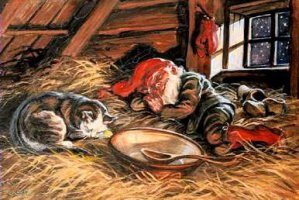
Jultomten-The Swedish Christmas elf and other Christmas folklore
Jenny Nystrom


Christmas-related folklore:
Hildur the Fairy Queen-an Icelandic version of "The Twelve Dancing Princesses", set at Christmas time
Spinning Straw into Gold on Little Match Girl-a guest post from Christie of the blog Spinning Straw into Gold, discussing Andersen's "The Little Match Girl"
Little Match Girl-full text of the fairy tale
December Liturgy of the Dead-a haunting Christmas tale
Arthur Rackham


Other:
Fairy Tales in Christmas History: See how fairy tales were an important part of Christmas traditions
Charles Dickens: A Christmas Tree-Includes the famous quote in which Dickens admits he wanted to marry Little Red Riding Hood as a child; as well as the surrounding context in which he also discusses other fairy tale memories related to Christmas
Paul Woodroffe

Stay tuned for more Christmas posts this month, as well as general fairy tale programming!

Thursday, November 27, 2014

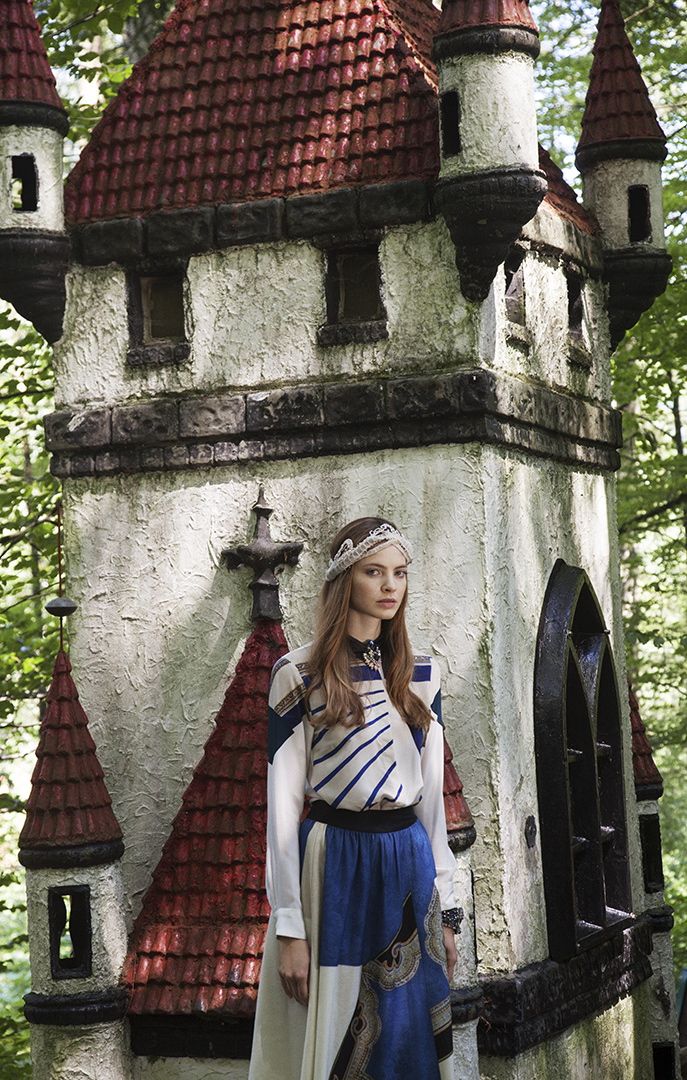
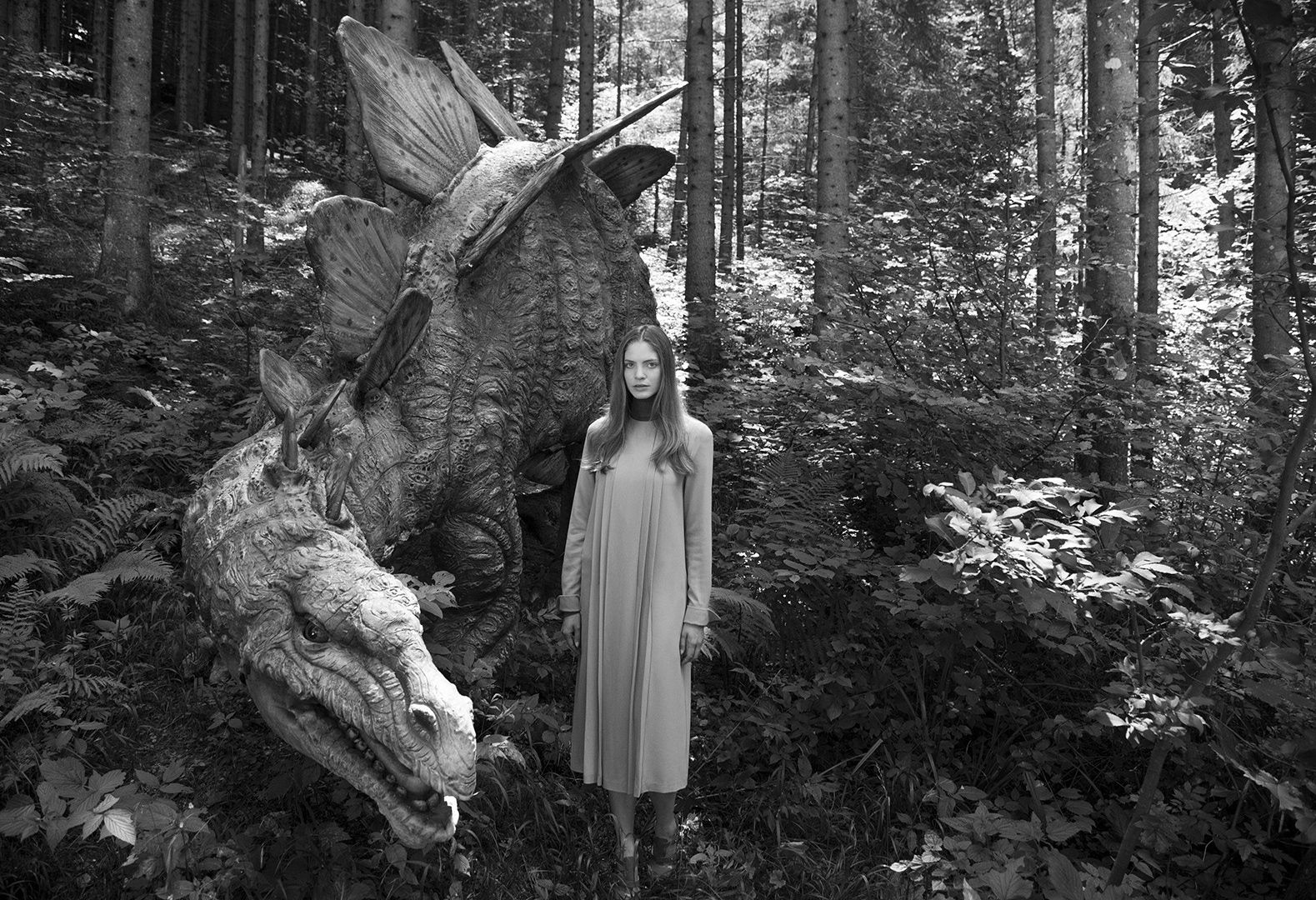
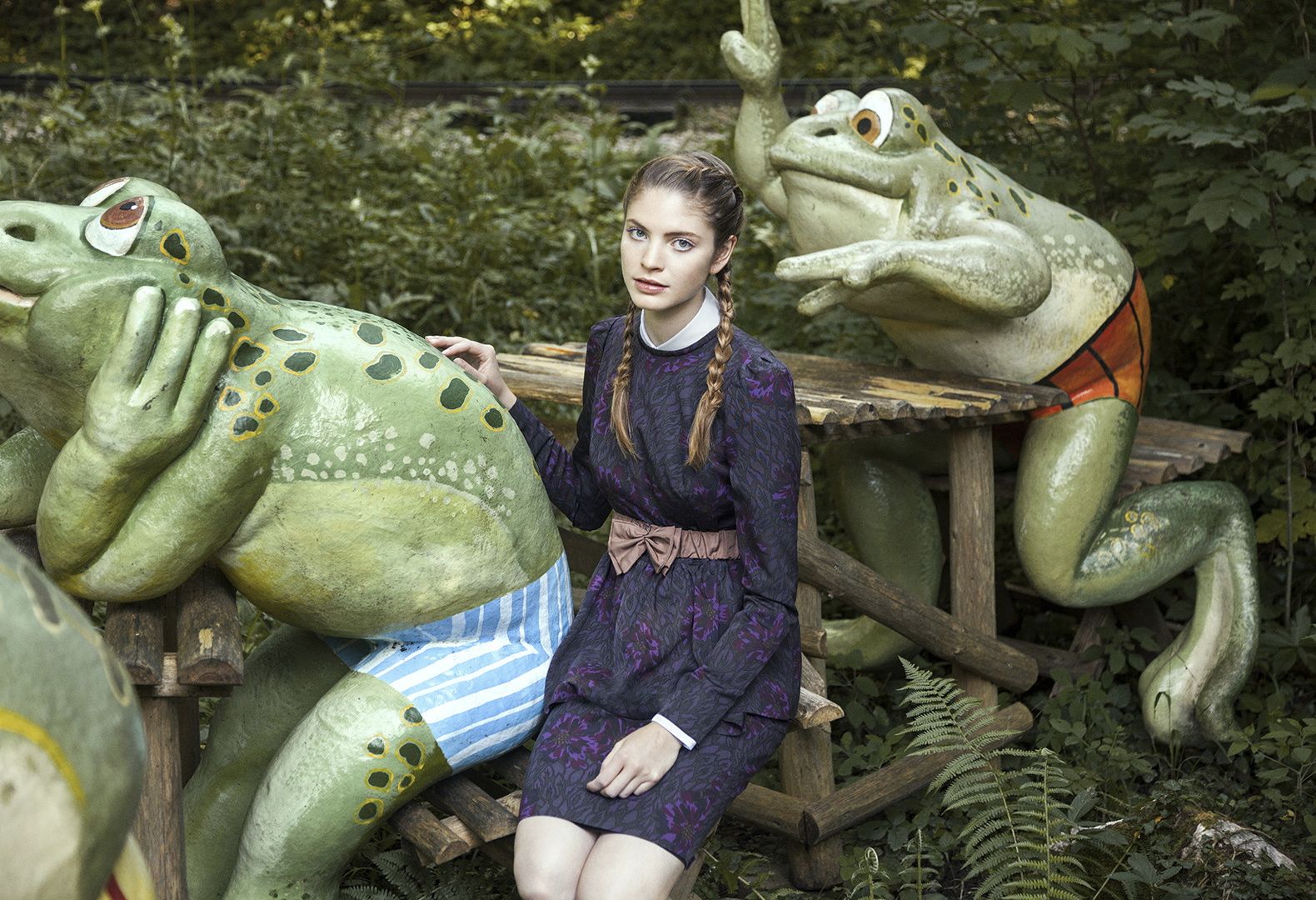
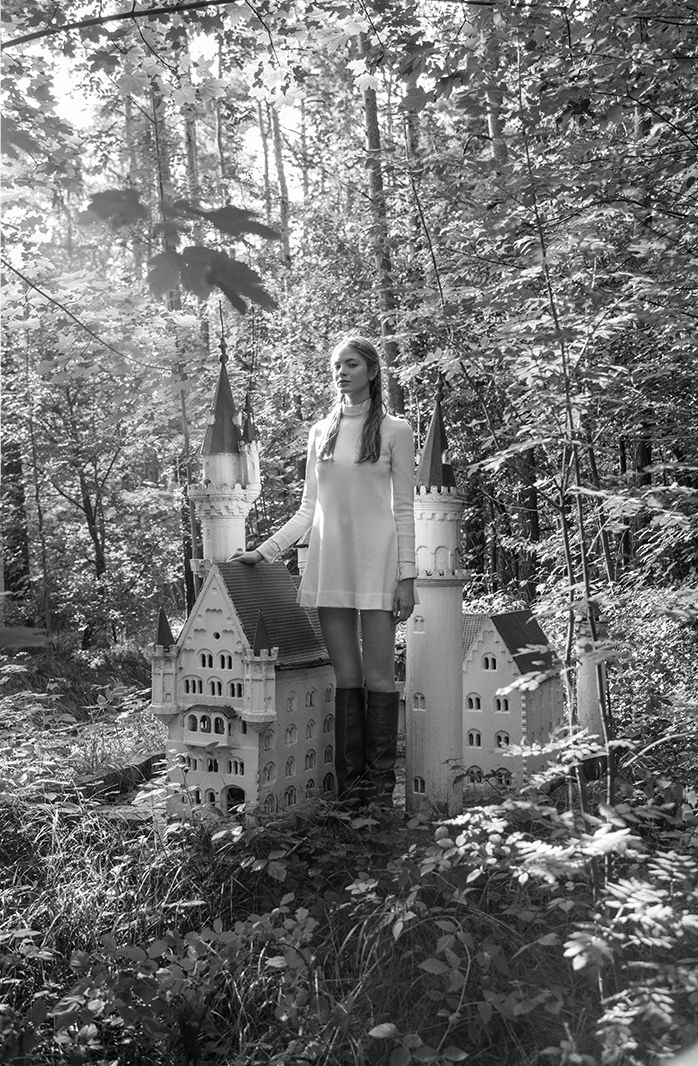
Frau Holle Photography


I can't find much information on this set of pictures of models Katya Konstantinova and Inga Marie Ruxton by Tim Barber. The collection is titled "Frau Holle," which makes me wonder about the fairy tale inspirations for the other pictures and wish I could find someone talking about the inspiration for this shoot. More information on publication of the pictures can be found here, but enjoy some pretty pictures for your Thanksgiving weekend!


This castle looks a lot like the Neuschwanstein:


Monday, November 24, 2014

Little Red Riding Hood and Women's Safety on Running Trails

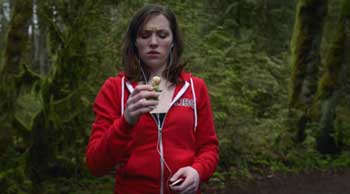
Since capes and cloaks aren't really in vogue these days, a current way to reference Little Red Riding Hood is to have her wearing a red hooded sweatshirt, such as in the pilot episode of Grimm:
Or maybe a red jacket as in Freeway:
Back when we were doing the You Know You're a Fairy Tale Blogger When... posts, I mentioned that I feel just a little bit paranoid when I go running in a red hoodie. That scene from Grimm probably didn't help, but outdoor running can be a legitimate concern for people.

Although the wolf has been interpreted for hundreds of years as referring to males who may be sexual predators, the fairy tale originated in societies where wild animals were a real danger, and belief in werewolves was prevalent. The wolf probably started out as literal.

Either way you look at it, it's hard for a 21st-century person living in the Chicago suburbs like myself to really wrap my head around the associations people used to have with wild animals. Around here, it seems like anywhere you go, there's civilization, cell phone towers, businesses and homes, and streetlights. The one place you can go to even get a small idea of what it might be like to live in a tiny town in the middle of a vast forest is a running trail or forest preserve.
Eugene Recuenco

And running trails, being secluded, are known for being potential places for attackers to hide. See this article for a map of reported attacks on runners in the D.C. area. There don't seem to be stats for  incidents of this nature (this article has some information about risks of rape and attack), but it's something you hear reports of all the time. A woman was attacked this summer on a section of the same trail I ran on, in the middle of the day.

This is one of those areas where it can be really frustrating to be a woman. Men can go running in the dark, alone, and be fairly confident that they will be safe. Women have a whole list of restrictions to abide by. We are seen as being weaker and therefore an easier target, as well as more likely to be sexually assaulted. Even if being attacked isn't likely, there's still the fact that, if an attack should happen, people could shake their heads and say, "well, she knew she was taking a risk, running alone like that." Even though the attacker is clearly the one at fault, there would still be some amount of blame attached to the woman who just wanted to get a workout.

I run with a rape whistle on my key ring, but to be honest, if someone were to attack me I'm not sure I'd have the presence of mind to pull it out of my pocket and blow on it. I go running in the daylight and usually when there are plenty of other people on the trails, but as the weather gets colder, trails are less populated. The other day I had a scare, running through a trail in a field, hearing a rustling in the stalks. My mind being filled with fairy tale imagery, my first thought was a wolf. It was probably only a rabbit or squirrel, but it could have been a coyote or something more sinister.

I still feel pretty confident when I run by myself. But in those rare times when I feel isolated and surrounded by the darker side of nature, I try to imagine what it would have been like to live long ago, when travelling anywhere outdoors was much more dangerous. The woods would have been filled with beastly predators, and even sexual assault would have been fairly easy in more secluded areas-risks we worry about today (rightly so) would have been an everyday issue for most fairy tale audiences.
From M. Night Shyamalan's The Village-the "monsters" wear red and are attracted to the color

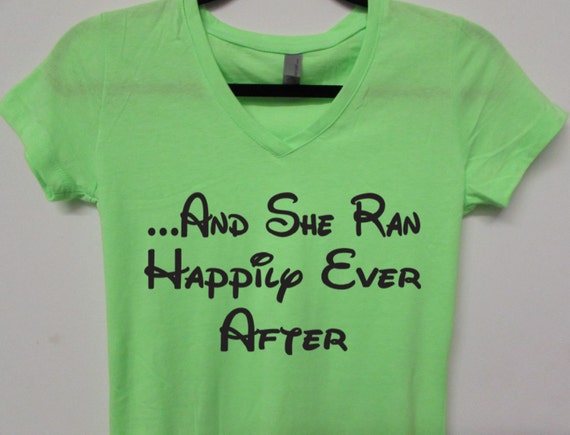
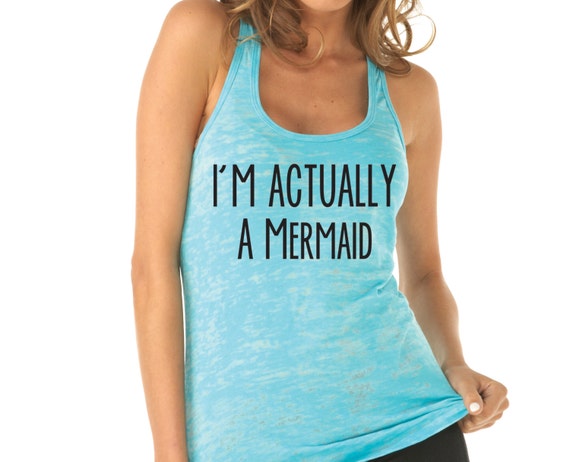
And, kind of on the same topic, I found these fairy tale-inspired workout shirts on the etsy shop WorkItWear. I love the female-positive messages (such as, "I run like a girl-try to keep up"), and the idea that you can be the kind of girl who likes Princesses and fairy tales but also strong and athletic!


Friday, November 21, 2014

Artist Feature: Paul Woodroffe

Fairy tale illustrations can run the range from lush, intricately detailed paintings, to cutesy and almost cartoony. Paul Woodroffe (1875-1854) stands out in that his illustrations tend to have a slightly more mature feel to them. In his depiction of Little Red Riding Hood below, he took a character that is almost universally drawn as a very young child and made her a young woman. His characters, I think, tend to look more human and relatable, and it elevates the genre to something adults can appreciate as well as children.

Other illustrations of LRRH for comparison: young, almost infantile with chubby cheeks; the picture of innocence and naivety:
Gustav Dore
Ella Dolbear Lee
Margaret Evans Price
Jessie Wilcox Smith
John B. Gruelle


And Paul Woodroffe's LRRH:

His other fairy tale illustrations:
Beauty and the Beast
Cinderella
Goldilocks and the Three Bears
Jack and the Beanstalk
Puss in Boots
Sleeping Beauty

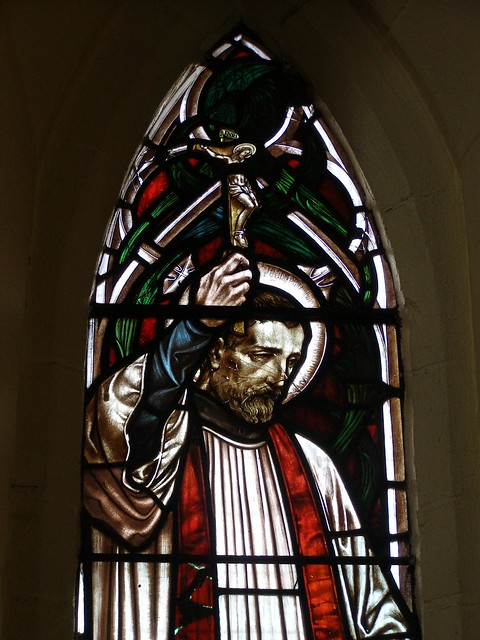
While the fairy tale community may know him best for these pictures, he is primarily remembered for his work with stained glass.